
Contents
Altra Torin vs Altra Paradigm: Neutral or Guided Zero-Drop?
Compare the current Altra Torin 9 and Paradigm 7, including cushioning, weight, fit, support, and the best use for each zero-drop road shoe.

Quick Hits
- •The Torin 9 is the lighter neutral option; the Paradigm 7 adds guidance and a broader, more substantial platform.
- •Both use a level 0mm platform, but the Torin is 28/28mm while the Paradigm is 30/30mm.
- •Choose by support preference and ride character, not by assuming every zero-drop shoe feels the same.
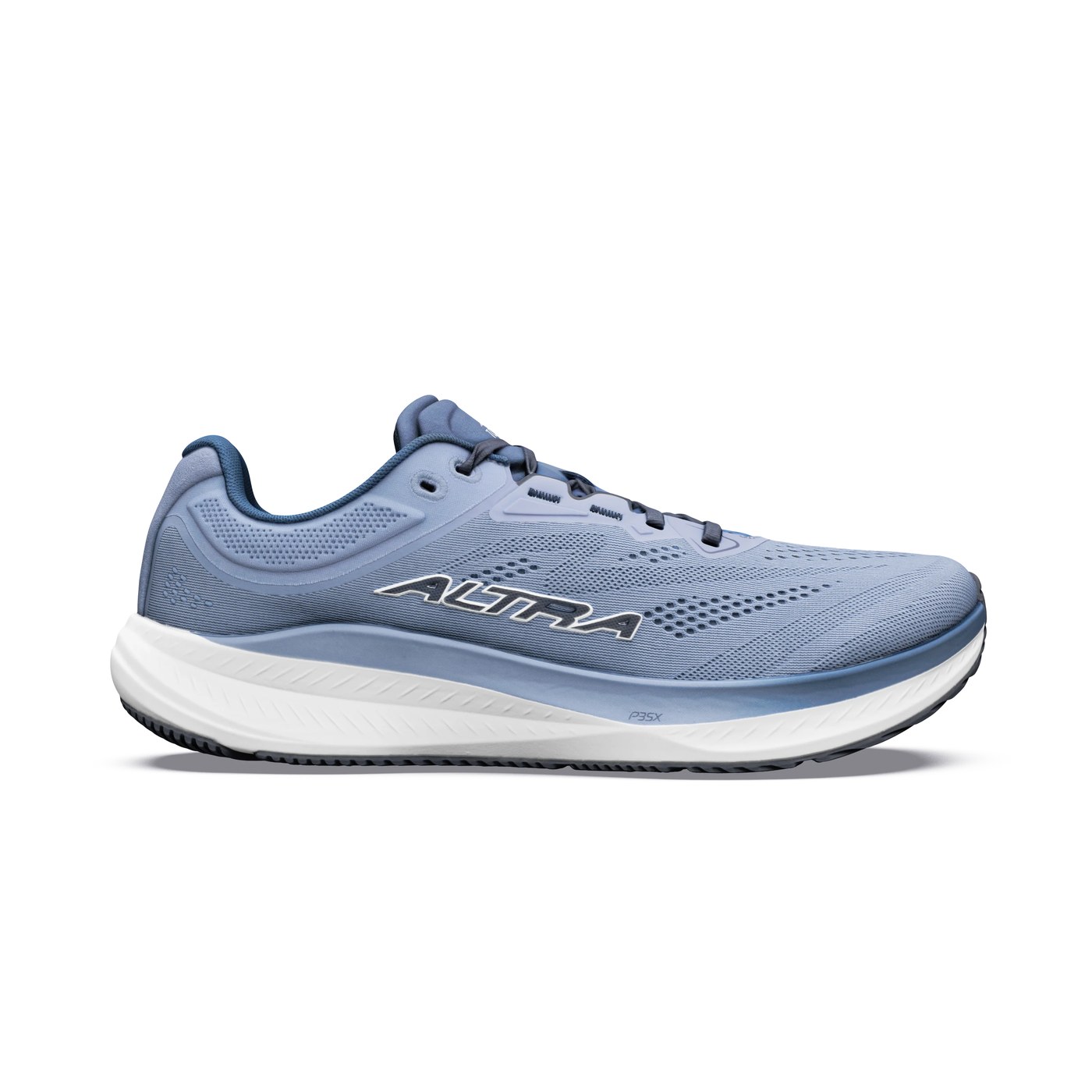
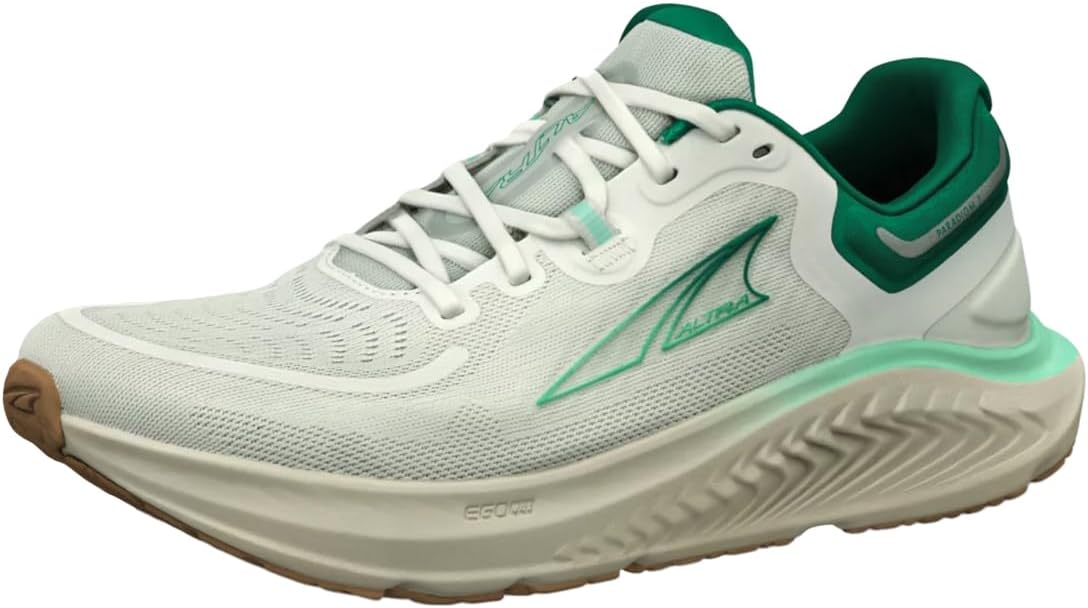
Head-to-head breakdown using our audited shoe database.
The Altra Torin and Paradigm share a level platform and roomy forefoot, but they solve different problems. This comparison uses the current Torin 9 and Paradigm 7, not the older generations that originally appeared at this URL.
Quick Verdict
Choose the Altra Torin 9 if you want the lighter neutral shoe. Its 28/28mm platform, flexible construction, and grounded ride make it the simpler daily-training choice for runners who do not want guidance features.
Choose the Altra Paradigm 7 if you want a level platform with more structure. Its 30/30mm stack, GuideRail system, and broader feel suit easy running and walking when a guided ride is preferred.
Current Comparison Table
| Specification | Altra Torin 9 | Altra Paradigm 7 |
|---|---|---|
| Primary use | Daily training / long runs | Daily training / long runs |
| Support | Neutral | Stability |
| Cushion level | High | High |
| Heel-to-toe drop | 0mm | 0mm |
| Stack height | 28mm heel / 28mm forefoot | 30mm heel / 30mm forefoot |
| Weight (men/women) | 9.8oz / 8.0oz | 10.5oz / 8.9oz |
| Widths | Standard, wide | Standard |
| Catalog MSRP | MSRP: $160 | MSRP: $170 |
| Surface | Road | Road |
The figures above come from TrainingPlan's current catalog. Manufacturer and independent measurements can differ by size and method, so compare like with like when reading other reviews.
Key Differences
Support is the defining difference. The Torin is neutral: its platform provides inherent width and cushioning but does not add a dedicated guidance system. The Paradigm uses GuideRails and a more substantial base to influence the path of the foot only when it moves into those structures.
The Torin is also 0.7oz lighter in the men's catalog value and sits 2mm lower. RTINGS characterized the Torin 9 as laterally stable but relatively firm and low in energy return. The Paradigm's extra structure and mass make it feel more deliberate, not simply like a softer Torin.
Fit and Sizing
Both use Altra's foot-shaped approach, leaving more room around the toes than many tapered trainers. Independent Torin evidence supports a generally true-to-size fit with a roomy toe box, although its tongue can be noticeable for high-volume insteps. The catalog also offers the Torin in wide.
The Paradigm has an accommodating, higher-volume character, but the current catalog lists only standard width. Foot shape still matters: a broad forefoot does not guarantee that the midfoot or heel will fit securely. Try either shoe with the socks used for training.
Ride and Intended Use
The Torin 9 uses Altra EGO P35X foam with Vibram rubber in a low, level platform. Independent testing points to a protected but grounded ride rather than a springy speed-shoe sensation. It is best aligned with daily mileage and steady long runs.
The Paradigm 7 is also aimed at easy and long running, with guidance and a slightly taller platform taking priority over quick turnover. Neither is the obvious choice for interval sessions. Runners building a rotation can compare more options in our best daily trainers and best long-run shoes.
Who Should Choose the Torin 9
- Runners who want a neutral, level-platform daily trainer.
- Those who prefer the lighter and slightly lower of these two shoes.
- Shoppers who need a cataloged wide option.
- Altra runners who want less guidance than the Paradigm provides.
Who Should Choose the Paradigm 7
- Runners who actively prefer a guided stability design.
- Walkers and easy-pace runners who value a broad, substantial platform.
- People who already know that Altra's level geometry works for them.
- Shoppers comparing the wider category in our best stability shoes.
Tradeoffs
The Torin gives up the Paradigm's dedicated guidance, while the Paradigm adds weight and structure that neutral-shoe runners may not want. Both require comfort with a 0mm drop. That geometry is a preference, not an automatic upgrade, and it is distinct from the amount of cushioning underfoot.
Related Comparisons
For a softer conventional daily-trainer matchup, see Brooks Ghost vs Brooks Glycerin. Runners prioritizing toe room can also browse our best running shoes for wide feet.
Final Takeaway
The Torin 9 is the cleaner match for neutral runners wanting a lighter, grounded zero-drop trainer. The Paradigm 7 earns its extra weight and price by adding guidance and a more substantial platform. Start with support preference, then use fit and ride feel to make the final call.
Key Takeaway
Choose the Torin 9 for a lighter, neutral and grounded zero-drop trainer; choose the Paradigm 7 for a more substantial platform with added guidance.
Frequently Asked Questions
What is the main difference between the Altra Torin and Paradigm?
Is the Torin 9 or Paradigm 7 lighter?
Can I move directly from a higher-drop shoe to either Altra?
References
- https://www.altrarunning.com/en-us/products/mens-torin-9-al0a85tn
- https://www.altrarunning.eu/ch_fr/paradigm-7-homme-al0a82c5000.html
- https://www.rtings.com/running-shoes/reviews/altra/torin-9
- https://www.doctorsofrunning.com/altra-paradigm-7-review-2023/