
Contents
Mizuno Wave Rider vs Brooks Ghost: Classic Daily Trainers Compared
Compare the current Mizuno Wave Rider 30 and Brooks Ghost 18 on drop, stack, fit, ride, daily use, and value.

Quick Hits
- •The Wave Rider 30 is taller and lighter with an 8mm drop; the Ghost 18 uses a more traditional 10mm geometry.
- •Mizuno's full Wave plate creates a structured transition, while the Ghost emphasizes smooth simplicity.
- •Brooks offers four widths to Mizuno's two, making fit access a meaningful separator.
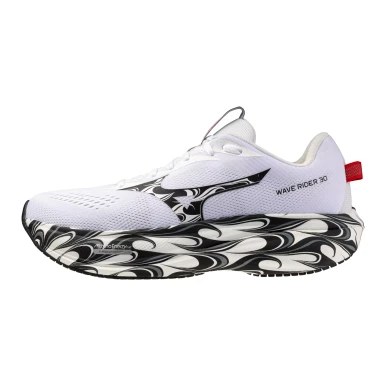
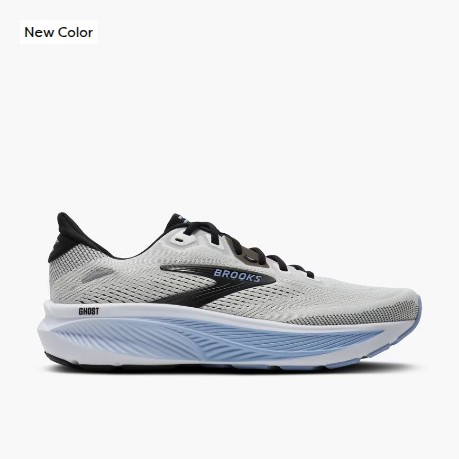
Head-to-head breakdown using our audited shoe database.
The Mizuno Wave Rider and Brooks Ghost remain familiar neutral daily trainers, but both have evolved. The current matchup is the taller, plated Wave Rider 30 against the simpler Ghost 18.
Quick Verdict
Choose the Mizuno Wave Rider 30 if you want a lighter shoe with a full Wave plate, 8mm drop, and a tall, structured transition. Independent testing supports its stable, protective character, not a highly propulsive speed-shoe ride.
Choose the Brooks Ghost 18 if you want a conventional 10mm daily trainer with a smooth ride and unusually broad width access. Its lower stack and straightforward DNA LOFT v3 construction are easier to understand than the Mizuno's plate-led chassis.
Current Comparison Table
| Specification | Mizuno Wave Rider 30 | Brooks Ghost 18 |
|---|---|---|
| Primary use | Daily training | Daily training |
| Support | Neutral | Neutral |
| Cushion level | High | High |
| Heel-to-toe drop | 8mm | 10mm |
| Stack height | 42.5mm heel / 34.5mm forefoot | 36mm heel / 26mm forefoot |
| Weight (men/women) | 9.4oz / 8.3oz | 10.0oz / 9.2oz |
| Widths | Standard, wide | Narrow, standard, wide, extra-wide |
| Catalog MSRP | MSRP: $150 | MSRP: $150 |
| Surface | Road | Road |
Key Differences
The Wave Rider is 6.5mm taller at the heel and 8.5mm taller at the forefoot, yet its catalog weight is lower. Mizuno pairs nitrogen-infused Enerzy NXT foam with a full Wave plate. RTINGS found the result stable, protective, and smooth, but poorly suited to runners seeking strong propulsion.
The Ghost has no comparable plate. Its DNA LOFT v3 midsole and 10mm drop create a more traditional experience. Independent evidence supports comfortable easy running and reasonable outsole abrasion performance, while also noting modest energy return.
Fit and Sizing
The Wave Rider 30 is generally true to size with an average-volume fit and comes in standard and wide. Its structured platform should feel secure rather than loose, so compare widths if the forefoot feels constrained.
The Ghost also fits many runners true to size, but independent measurements show a tapered toe box. Brooks compensates with four width options. Runners who need narrow or extra-wide are therefore more likely to find an off-the-shelf Ghost configuration. See our wide-foot running shoe guide for more options.
Ride and Intended Use
Both shoes work best for routine road mileage. The Wave Rider provides a tall, guided-by-geometry roll with a firmer sense of structure. It is the better match for runners who dislike an unstructured soft platform.
The Ghost offers smoother, less assertive mechanics. It is built to disappear underfoot during everyday running, not to produce a dramatic bounce. Neither is a dedicated speed shoe; our best daily trainers cover their true peer group.
Who Should Choose the Wave Rider 30
- Runners who prefer 8mm drop and a taller platform.
- Those who like a structured transition from a full Wave plate.
- Shoppers wanting the lighter catalog weight.
- Mizuno users who already know the brand's ride works for them.
Who Should Choose the Ghost 18
- Runners who prefer a traditional 10mm daily trainer.
- Shoppers needing narrow, wide, or extra-wide options.
- Those who want simpler foam geometry without a full plate.
- Runners comparing the Ghost with the Brooks Glycerin 23.
Tradeoffs
The Wave Rider's tall platform and plate add structure, but independent testing does not support calling it highly energetic. The Ghost is straightforward and widely available in widths, yet its 10mm drop, greater weight, and tapered standard-width toe box will not suit everyone. At the same catalog MSRP, fit and ride preference matter more than a claimed universal winner.
Related Comparisons
For two maximum-cushion alternatives, read On Cloudmonster vs HOKA Bondi. For another close daily-trainer decision, browse Brooks Ghost vs Brooks Glycerin or the best cushioned shoes.
Final Takeaway
The Wave Rider 30 is the more technical, taller, and lighter option, with a structured 8mm ride. The Ghost 18 is the simpler 10mm trainer and wins on width choice. Neither is universally better; the best match follows from geometry, fit, and preferred transition feel.
Key Takeaway
Choose the Wave Rider 30 for a taller, lighter and more structured 8mm ride; choose the Ghost 18 for conventional smoothness and the broadest width range.
Frequently Asked Questions
What is the main difference between the Wave Rider 30 and Ghost 18?
Which shoe is lighter?
Which has more width choices?
References
- https://usa.mizuno.com/running-wave-rider-30-uni-disclosure/
- https://www.rtings.com/running-shoes/reviews/mizuno/wave-rider-30
- https://www.brooksrunning.com/en_us/mens/shoes/road-running-shoes/ghost-18/110493.html?dwvar_110493_color=172
- https://runrepeat.com/brooks-ghost-18
- https://www.tomsguide.com/wellness/running/brooks-ghost-18-review