
Contents
Brooks Ghost vs Brooks Glycerin: Which Daily Trainer Wins?
Compare the Brooks Ghost 18 and Glycerin 23 on cushioning, weight, fit, daily-run feel, and value to find the right current Brooks trainer.

Quick Hits
- •The Ghost 18 is the lighter, lower-cost everyday option; the Glycerin 23 adds more stack and premium cushioning.
- •Both use a 10mm-or-lower traditional geometry and come in four cataloged widths.
- •Neither is a dedicated speed shoe, so choose between balanced daily use and more protected easy or long mileage.
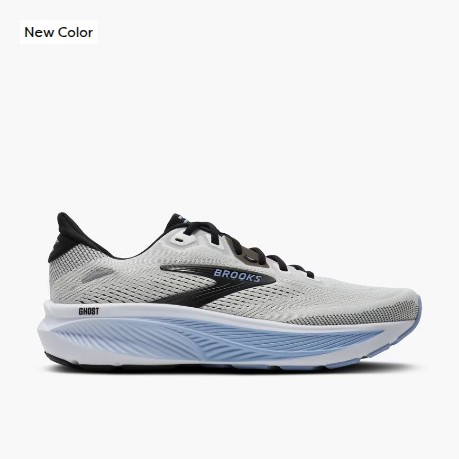
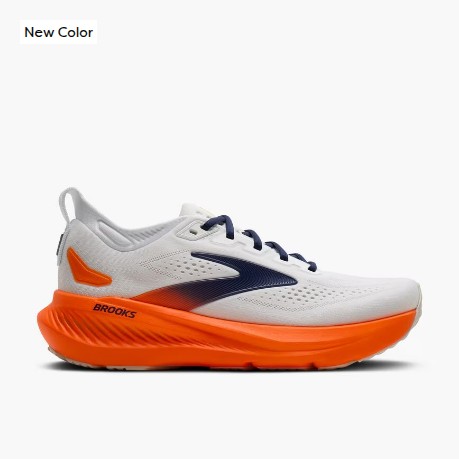
Head-to-head breakdown using our audited shoe database.
The Brooks Ghost and Glycerin remain two dependable neutral road trainers, but their current versions have clearer separation than their familiar styling suggests. This page compares the Ghost 18 with the Glycerin 23.
Quick Verdict
Choose the Brooks Ghost 18 if you want the lighter, less expensive shoe for routine daily mileage. Its 36/26mm DNA LOFT v3 platform and 10mm drop deliver a conventional, smooth trainer format.
Choose the Brooks Glycerin 23 if you want more foam and a more comfort-led assignment. The 38/30mm DNA Tuned platform and 8mm drop suit easy, long, and recovery-paced running, although the shoe is heavier and costs MSRP: $25 more at catalog MSRP.
Current Comparison Table
| Specification | Brooks Ghost 18 | Brooks Glycerin 23 |
|---|---|---|
| Primary use | Daily training | Daily / long / recovery |
| Support | Neutral | Neutral |
| Cushion level | High | High |
| Heel-to-toe drop | 10mm | 8mm |
| Stack height | 36mm heel / 26mm forefoot | 38mm heel / 30mm forefoot |
| Weight (men/women) | 10.0oz / 9.2oz | 10.6oz / 9.5oz |
| Widths | Narrow, standard, wide, extra-wide | Standard, wide, extra-wide |
| Catalog MSRP | MSRP: $150 | MSRP: $175 |
| Surface | Road | Road |
Key Differences
The named catalog references put Glycerin at 38/30mm and Ghost at 36/26mm, with listed drops of 8mm and 10mm. These are not matched laboratory samples. It uses DNA Tuned foam, with cell sizes designed to give the heel and forefoot different behavior. Brooks added 2mm of forefoot foam to version 23.
The Ghost remains simpler. Its DNA LOFT v3 platform, lower price, and 0.6oz men's weight advantage make it the more general-purpose choice. Independent Ghost testing found comfortable easy-run performance but modest energy return; the Glycerin evidence likewise points toward comfort rather than speed.
Fit and Sizing
Ghost 18 offers narrow through extra-wide; Glycerin 23 offers standard, wide, and extra-wide. Width labels do not tell the entire story, though. Independent testing found the Ghost's toe box somewhat tapered, so shoppers with broad toes should compare widths rather than assuming standard will work.
The Glycerin 23 has a generally accommodating, true-to-size shape and a secure upper. SoleReview found its upper comfortable but warm. Try both late in the day with training socks, especially if upper ventilation or toe clearance is a priority.
Ride and Intended Use
The Ghost 18 is built for repeatable daily miles. Its padded upper and smooth geometry favor steady running, while its moderate return makes it less compelling for intervals. It belongs on a shortlist with the options in our best daily trainers.
The Glycerin 23 is the more protected option for easy days, long outings, and recovery-paced running. Its additional forefoot foam helps the platform feel more continuous, but the extra mass is noticeable. Browse our best cushioned running shoes for more maximal alternatives.
Who Should Choose the Ghost 18
- Runners wanting a straightforward neutral daily trainer.
- Shoppers who value the MSRP: $25 lower catalog MSRP.
- Those who prefer 10mm drop and a slightly lower platform.
- Runners who want four width choices without moving to the premium model.
Who Should Choose the Glycerin 23
- Runners prioritizing easy, long, and recovery-paced comfort.
- Those who prefer an 8mm drop and more forefoot foam.
- Shoppers willing to accept more weight for a taller platform.
- Runners comparing options in our best long-run shoes.
Tradeoffs
The Ghost costs less but does not provide the Glycerin's additional stack or premium foam construction. The Glycerin offers more underfoot material, yet it is not automatically softer for every runner, and its warm upper and additional weight can matter. Neither shoe adds stability guidance; the Glycerin GTS 23 review covers the supported sibling.
Related Comparisons
See Mizuno Wave Rider vs Brooks Ghost for another traditional daily-trainer matchup, or On Cloudmonster vs HOKA Bondi for a more maximal comparison.
Final Takeaway
The Ghost 18 is the better default for balanced everyday mileage and value. The Glycerin 23 makes sense when more stack, an 8mm geometry, and long-run or recovery emphasis justify its extra weight and cost.
Key Takeaway
Choose the Ghost 18 for a lighter, less expensive and balanced daily trainer; choose the Glycerin 23 for a taller platform and more comfort-focused long or recovery running.
Frequently Asked Questions
What is the main difference between the Brooks Ghost and Glycerin?
Which shoe has more width options?
Is the Ghost 18 or Glycerin 23 better for speed work?
References
- https://www.brooksrunning.com/en_us/mens/shoes/road-running-shoes/ghost-18/110493.html?dwvar_110493_color=172
- https://runrepeat.com/brooks-ghost-18
- https://www.tomsguide.com/wellness/running/brooks-ghost-18-review
- https://www.brooksrunning.com/en_us/mens/shoes/road-running-shoes/glycerin-23/110476.html?dwvar_110476_color=177
- https://www.solereview.com/brooks-glycerin-23-review/