
Contents
Nike Alphafly vs Nike Vaporfly: Which Running Shoe Is Right for You?
Compare the Nike Alphafly 3 and Vaporfly 3, Nike's elite carbon racing shoes. Find which super shoe matches your racing distance and running style.

Quick Hits
- •Alphafly has more foam (44mm vs 40mm stack) and Air Zoom pods for maximum cushioning
- •Vaporfly is lighter (6.6 oz vs 7.5 oz men's) for pure speed at shorter distances
- •Both feature ZoomX foam and carbon fiber plates for elite racing
- •Alphafly costs $285 vs Vaporfly's $260 price point
- •Choose based on racing distance and preference for cushion vs lightweight feel
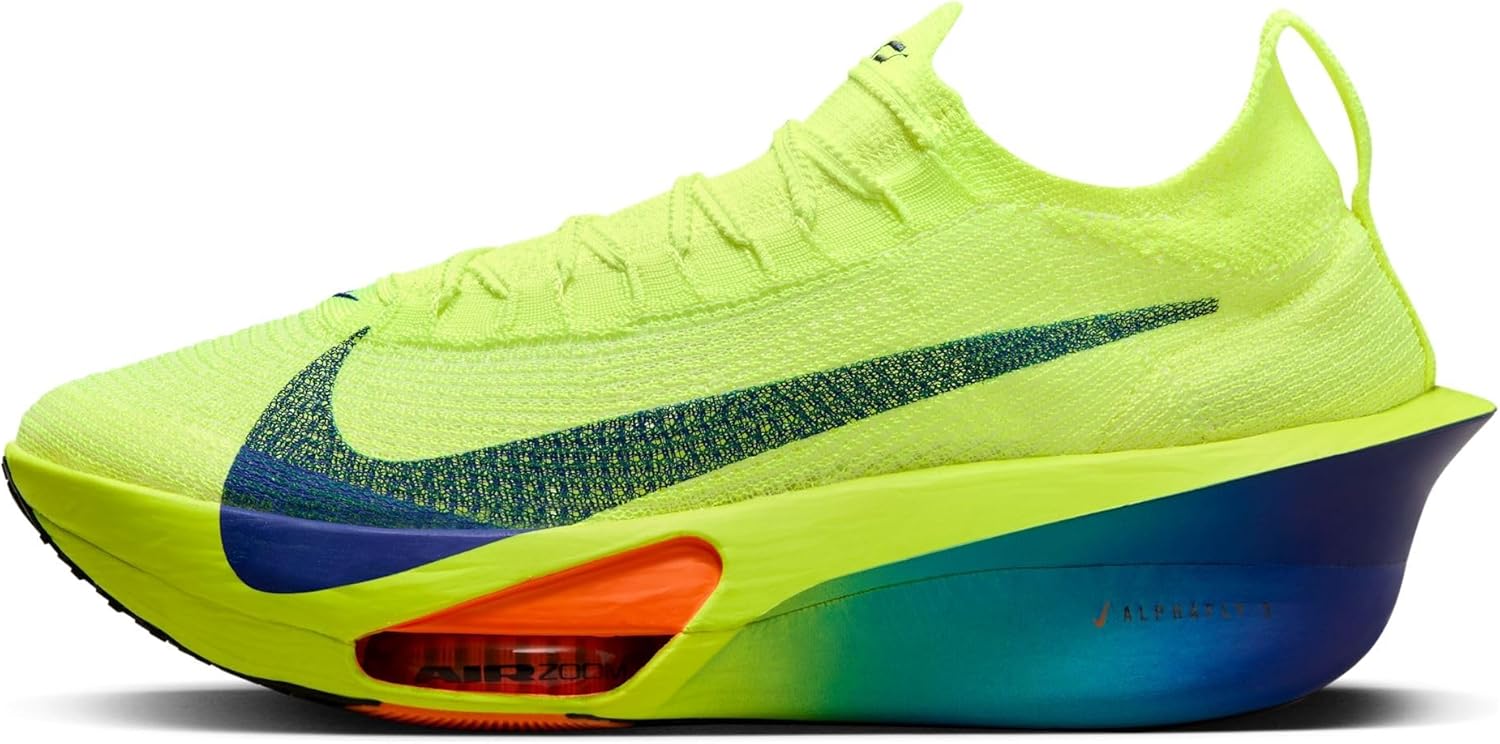
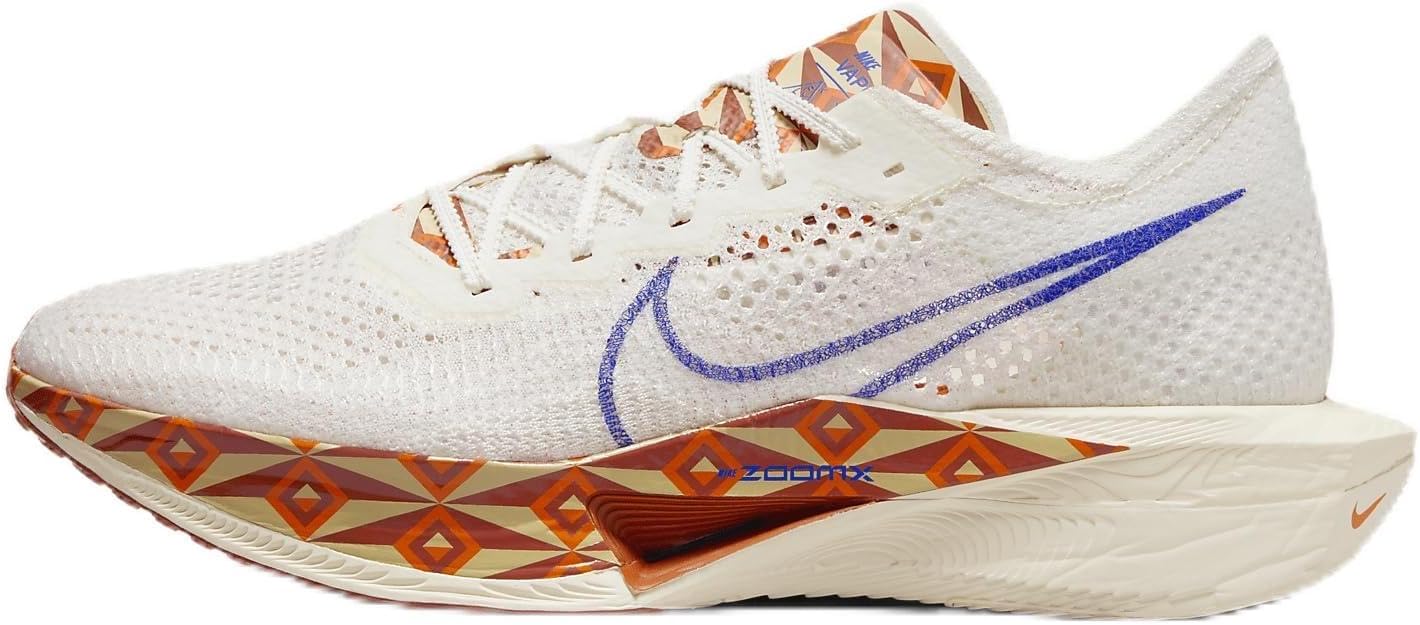
Head-to-head breakdown using our audited shoe database.
The Nike Alphafly and Vaporfly are the pinnacle of running shoe technology—elite super shoes that have reset marathon world records and transformed competitive racing. They share the same DNA but serve different racing needs.
Quick Verdict
Choose the Nike Alphafly 3 if you want maximum cushioning and bounce for marathon and ultra distances. Its Air Zoom pods and higher stack provide protection and energy return over long races.
Choose the Nike Vaporfly 3 if you prioritize lightweight speed for races up to half marathon. It's Nike's purest expression of fast racing—less bulk, more direct propulsion.
Nike Alphafly 3 Overview
The Alphafly is Nike's marathon super shoe, featuring double Air Zoom pods under the forefoot and the highest stack of ZoomX foam. It's designed for maximum cushioning and energy return over 26.2 miles.
Key Features:
- Full ZoomX midsole with carbon plate
- Double Air Zoom pods
- 8mm heel-to-toe drop
- 7.5 oz (men's) / 6.5 oz (women's)
- 44mm heel / 36mm forefoot stack height
Best For:
- Marathon racing
- Ultra distances
- Runners who want maximum cushioning
- Those who prefer bouncy energy return
Pros:
- Maximum energy return
- Excellent marathon cushioning
- Air Zoom pods add bounce
- Proven at elite level
Cons:
- Very expensive at MSRP: $285
- Heavier than Vaporfly
- Requires adaptation
- Can feel unstable
Nike Vaporfly 3 Overview
The Vaporfly is Nike's original super shoe—the model that started the carbon-plated revolution. It delivers ZoomX foam and a carbon plate in a lighter package than the Alphafly.
Key Features:
- Full ZoomX midsole with carbon plate
- 8mm heel-to-toe drop
- 6.6 oz (men's) / 5.6 oz (women's)
- 40mm heel / 32mm forefoot stack height
- Streamlined race design
Best For:
- 5K to half marathon racing
- Runners who prefer lighter shoes
- Those who want responsive speed
- Race-day performance
Pros:
- Extremely lightweight
- Direct, responsive feel
- Great energy return
- Proven race winner
Cons:
- Expensive at MSRP: $260
- Limited durability
- Less cushioning than Alphafly
- Not for training
Head-to-Head Comparison
Cushioning
The Alphafly has significantly more cushioning. Its 44mm heel stack compared to the Vaporfly's 40mm provides more foam underfoot. The Air Zoom pods add another layer of responsive cushioning.
For marathon and ultra distances, the Alphafly's extra cushioning helps maintain leg freshness. For shorter races, the difference matters less.
Winner: Nike Alphafly — More foam and Air Zoom pods.
Weight
The Vaporfly weighs 6.6 oz for men and 5.6 oz for women. The Alphafly comes in at 7.5 oz for men and 6.5 oz for women. That's nearly an ounce difference—significant in racing shoes.
At race pace, every ounce costs energy. The Vaporfly's weight advantage matters more at shorter distances where total race time is limited.
Winner: Nike Vaporfly — Nearly an ounce lighter.
Responsiveness
Both shoes are highly responsive, but they feel different. The Vaporfly's response is more direct—compression and return happen quickly and crisply.
The Alphafly's response includes the Air Zoom pods, which add a bouncy layer. Some runners love this feeling; others prefer the Vaporfly's more conventional responsiveness.
Winner: Tie — Different types of excellent responsiveness.
Stability
The Vaporfly is more stable due to its lower stack height and absence of Air Zoom pods. Its narrower profile feels more secure during cornering and speed changes.
The Alphafly's higher stack and pods can feel wobbly at slower paces or during direction changes. It requires more adaptation.
Winner: Nike Vaporfly — More stable platform.
Price/Value
The Alphafly costs MSRP: $285; the Vaporfly costs MSRP: $260. Both are expensive—these are elite racing tools with limited durability. The MSRP: $25 difference buys Air Zoom pods and more foam.
If you race marathons, the Alphafly's premium may be worthwhile. For shorter races, the Vaporfly offers similar performance for less.
Winner: Nike Vaporfly — MSRP: $25 cheaper for proven speed.
Distance Optimization
The Alphafly is optimized for marathon and beyond. Its cushioning and energy return pay dividends over hours of running when leg fatigue accumulates.
The Vaporfly is optimized for 5K to half marathon. Its lighter weight and direct feel suit races measured in minutes rather than hours.
Winner: Depends on distance — Alphafly for marathon+; Vaporfly for shorter races.
Comparison Table
| Feature | Nike Alphafly 3 | Nike Vaporfly 3 |
|---|---|---|
| Price | MSRP: $285 | MSRP: $260 |
| Weight (men's) | 7.5 oz | 6.6 oz |
| Weight (women's) | 6.5 oz | 5.6 oz |
| Heel-to-toe drop | 8mm | 8mm |
| Stack height (heel) | 44mm | 40mm |
| Stack height (forefoot) | 36mm | 32mm |
| Cushion level | Maximum | High |
| Air Zoom pods | Yes (double) | No |
| Best distance | Marathon+ | 5K-Half Marathon |
| Durability | Low | Low |
| Width options | Standard | Standard |
Choose the Nike Alphafly If...
- You race marathons or ultra distances
- Maximum cushioning and bounce appeal to you
- You want Air Zoom pod technology
- Leg protection over long races is a priority
- You've adapted to high-stack racing shoes
- You want Nike's most cushioned super shoe
Choose the Nike Vaporfly If...
- Your goal races are 5K to half marathon
- Lightweight speed is your priority
- You prefer more direct responsiveness
- Stability in a racing shoe matters to you
- You want the lighter, more agile option
- Budget considerations favor the MSRP: $25 savings
Final Verdict
The Nike Alphafly and Vaporfly represent two approaches to the same goal: faster racing. The Alphafly prioritizes cushioning and bounce for marathon distances; the Vaporfly prioritizes lightweight speed for shorter races.
The Alphafly is the better choice for marathon and ultra racing where cushioning protects your legs over hours of running. Its Air Zoom pods and extra foam help maintain form and speed when fatigue accumulates. If your goal race is 26.2 miles or longer, the Alphafly is designed specifically for you.
The Vaporfly is the better choice for races from 5K to half marathon where lightweight responsiveness matters more than maximum cushioning. Its nearly-ounce-lighter weight and direct feel suit faster, shorter efforts. If you want one racing shoe for everything up to half marathon, the Vaporfly is the versatile choice.
Many serious racers own both—Vaporfly for shorter races, Alphafly for marathons. If you can only choose one, consider your primary race distance and whether you prefer cushioned bounce or lightweight directness.
Looking for more detailed information? Check out our individual reviews: Nike Alphafly 3 Review and Nike Vaporfly 3 Review.
Key Takeaway
Choose the Nike Alphafly for marathon and ultra racing with maximum cushioning and bounce. Pick the Vaporfly for lighter, faster racing at distances up to half marathon. Both are elite super shoes with different strengths.
Frequently Asked Questions
Which shoe is faster?
Which is better for marathon racing?
Can I train in these shoes?
Which shoe is more stable?
Do I need to be fast to benefit from these shoes?
References
- Nike product specifications
- Running shoe research