
Contents
Best Running Shoes for Beginners in 2026: Six Easy Starting Points
Compare six current beginner-friendly running shoes by fit, cushioning, drop, weight, use, and stable catalog MSRP without treating one model as universal.

Quick Hits
- •Saucony Ride 19 is the most balanced first-shoe choice in this group.
- •Brooks Ghost 18 offers the broadest fit range; Adidas Runfalcon 6 has the lowest stable catalog MSRP.
- •Beginners do not automatically need stability shoes, maximum cushioning, or racing technology.
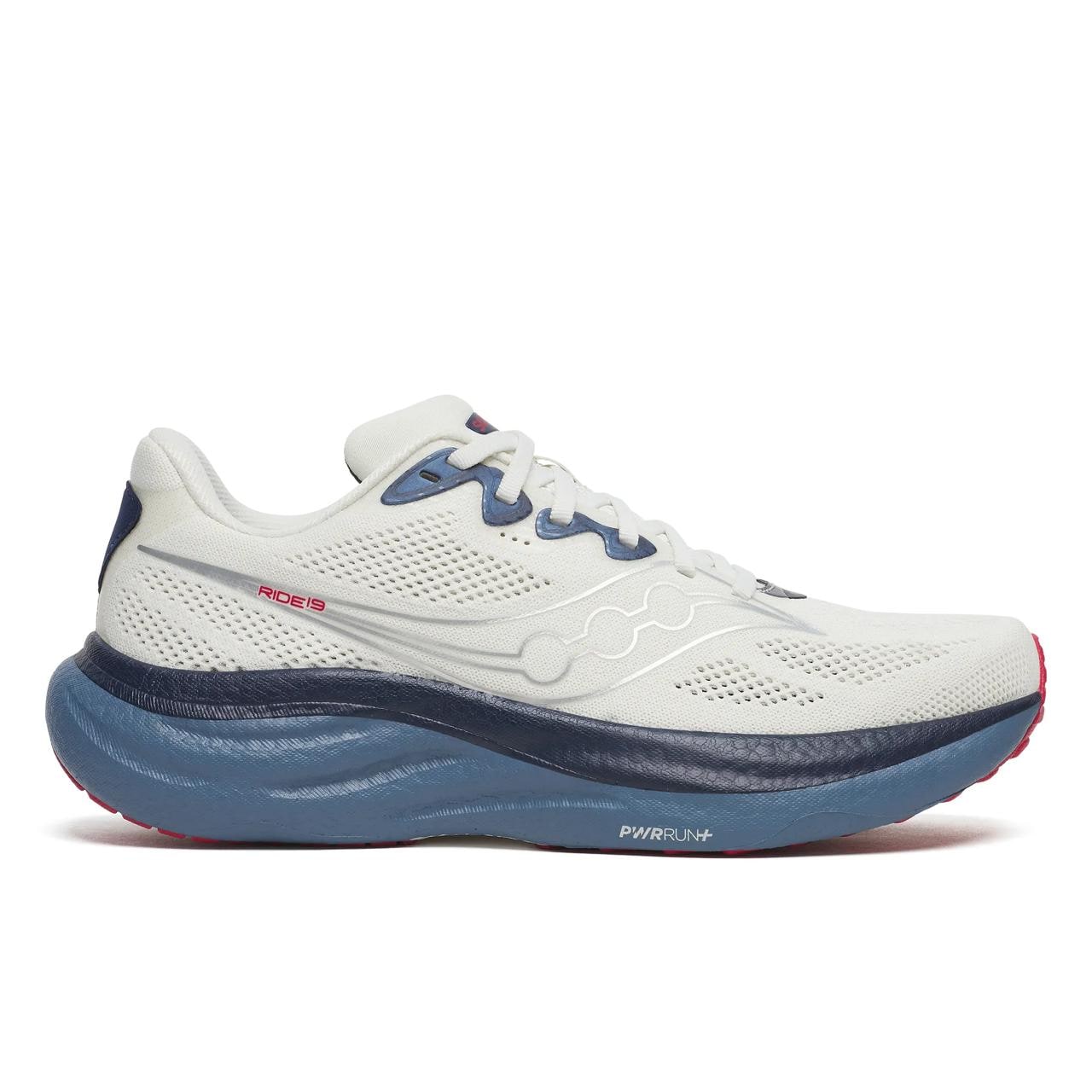
Top pick
Saucony Ride 19
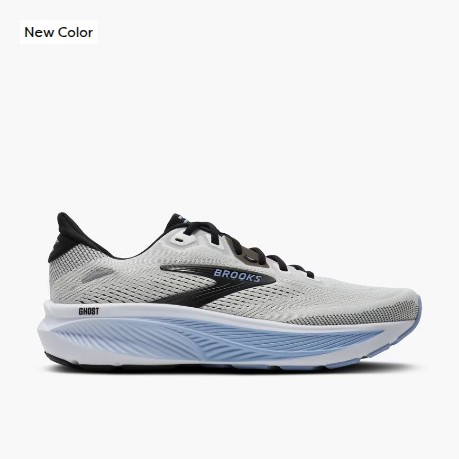
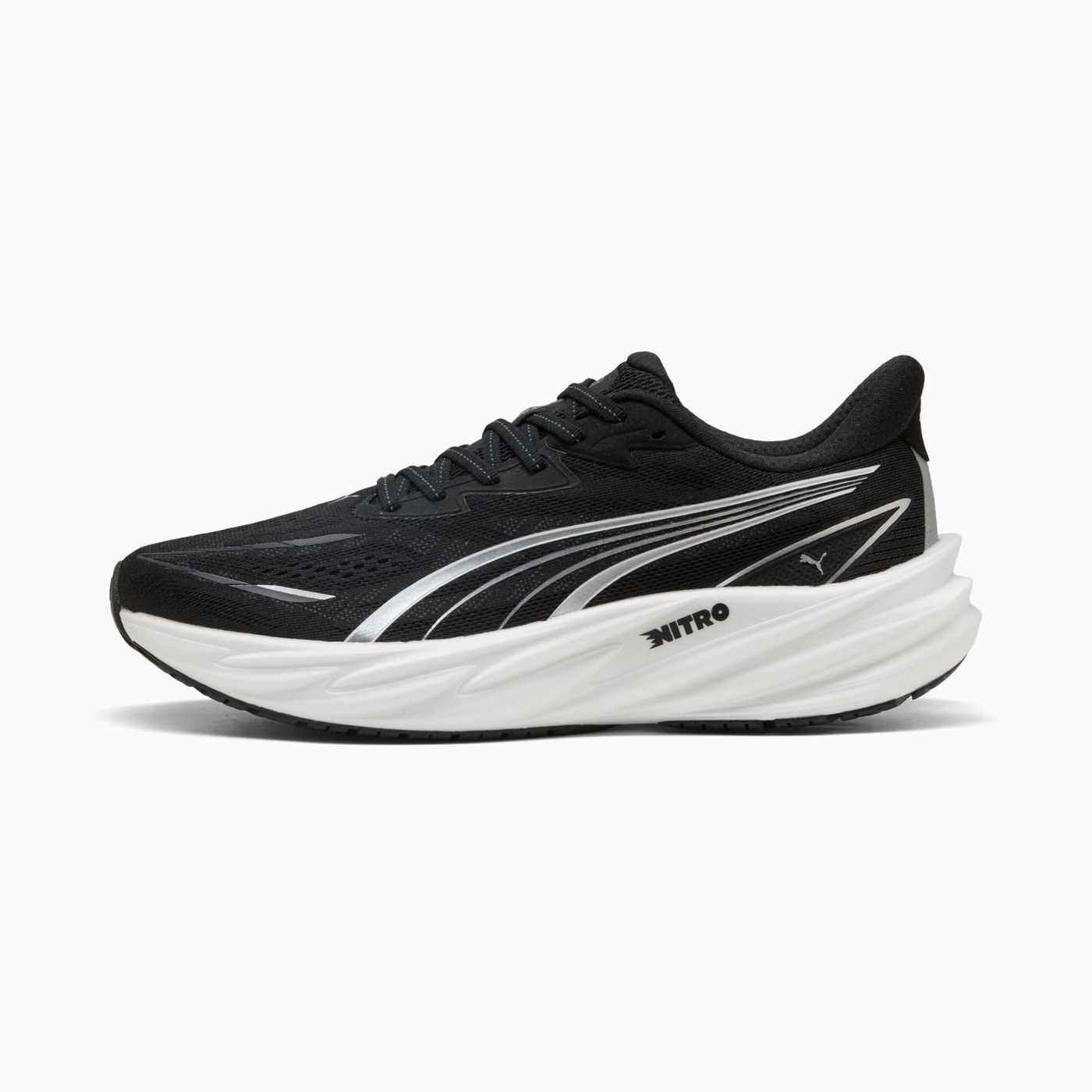
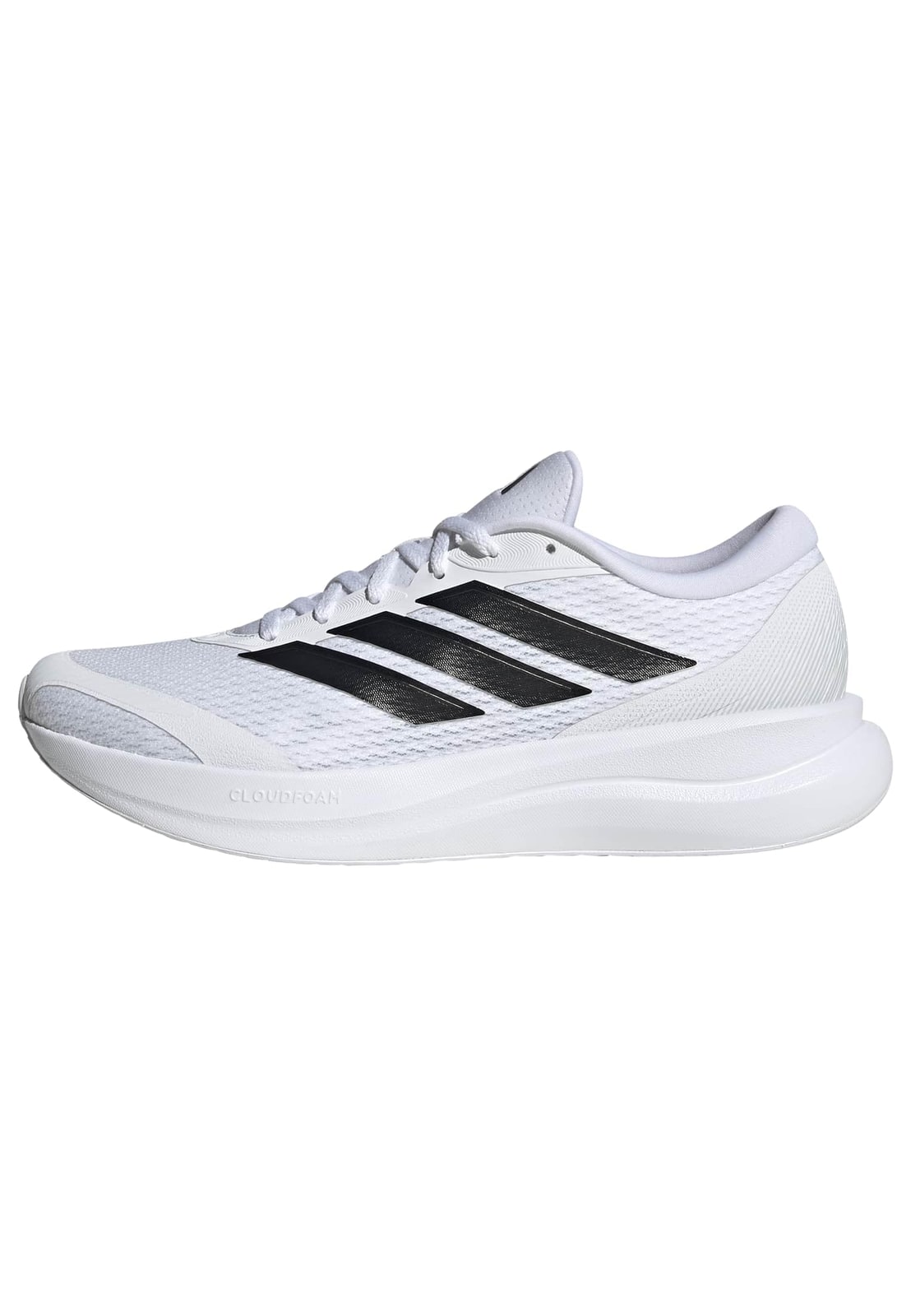
Curated lineup from our audited shoe database.
Best Running Shoes for Beginners in 2026
A first running shoe should make regular easy running straightforward. New runners do not need a prescribed level of cushioning or a particular support label; they need a secure, comfortable fit and a shoe whose geometry does not feel distracting.
Quick Picks
- Best overall: Saucony Ride 19
- Best width selection: Brooks Ghost 18
- Best lighter daily trainer: Puma Velocity Nitro 5
- Lowest stable catalog MSRP: Adidas Runfalcon 6
- Best traditional budget trainer: Saucony Cohesion 19
- Best higher-stack conventional option: Mizuno Wave Rider 30
Comparison Table
| Shoe | Cushion | Drop | Weight (men/women) | Stack (heel/forefoot) | Widths | Stable catalog MSRP |
|---|---|---|---|---|---|---|
| Ride 19 | High | 8mm | 9.0oz / 7.8oz | 38mm / 30mm | Standard, Wide | MSRP: $145 |
| Ghost 18 | High | 10mm | 10.0oz / 9.2oz | 36mm / 26mm | Narrow–Extra-Wide | MSRP: $150 |
| Velocity Nitro 5 | High | 8mm | 8.1oz / 8.0oz | 36mm / 28mm | Standard | MSRP: $130 |
| Runfalcon 6 | Moderate | 10mm | 10.0oz / 8.5oz | 36mm / 26mm | Standard, Wide | MSRP: $65 |
| Cohesion 19 | Moderate | 12mm | 9.8oz / 8.6oz | 32mm / 20mm | Standard, Wide | MSRP: $80 |
| Wave Rider 30 | High | 8mm | 9.4oz / 8.3oz | 42.5mm / 34.5mm | Standard, Wide | MSRP: $150 |
MSRP values are stable catalog references rather than live prices.
How We Chose
These six current 2026 daily trainers cover different fits, drops, weights, and catalog MSRPs. Each has a published exact-model review and a road-focused everyday role. We excluded racing-only models and avoided assuming that every beginner benefits from the same amount of foam, support, or heel-to-toe drop.
1. Saucony Ride 19 — Best Overall
Ride 19 is a neutral 8mm-drop trainer with a 38/30mm stack and standard or wide sizing. It sits in the middle of this shortlist for geometry and stable catalog MSRP, making it a sensible comparison baseline.
Choose it if you want one current shoe for routine road runs without a specialized racing or maximum-cushion design. Its fit still needs to work; “versatile” is not a substitute for a secure try-on.
2. Brooks Ghost 18 — Best Width Selection
Ghost 18 offers narrow, standard, wide, and extra-wide versions. Its 10mm drop and 36/26mm stack give it a familiar heel-to-toe relationship, while the 10-ounce men's catalog weight is higher than Ride or Velocity.
It is the best starting point here for difficult-to-fit feet because it offers more size-volume choices, not because one width label guarantees a match.
3. Puma Velocity Nitro 5 — Best Lighter Daily Trainer
At 8.1 ounces for men, Velocity Nitro 5 is the lightest conventional daily trainer in the group. It retains an 8mm drop and 36/28mm stack, so it does not require moving to minimal cushioning for a lower weight.
The main constraint is standard-only width. It works best for runners whose feet already agree with Puma's shape.
4. Adidas Runfalcon 6 — Lowest Stable Catalog MSRP
Runfalcon 6 has a MSRP: $65 stable catalog MSRP, a moderate cushion designation, and standard or wide sizing. Its 10mm drop and 36/26mm stack keep the geometry conventional even at the lowest catalog price here.
It is a practical entry point when budget is the first filter. The tradeoff is a simpler, heavier daily package than the more expensive Ride or Velocity.
5. Saucony Cohesion 19 — Best Traditional Budget Trainer
Cohesion 19 is another budget-focused neutral trainer, with a MSRP: $80 stable catalog MSRP and a 12mm drop. The 32/20mm stack is lower than the other shoes in this group, producing a distinctly more traditional profile.
Choose it if that higher offset and straightforward construction feel natural. Runners curious about lower drops should compare options instead of assuming one geometry is inherently safer.
6. Mizuno Wave Rider 30 — Best Higher-Stack Conventional Option
Wave Rider 30 reaches 42.5mm at the heel and 34.5mm at the forefoot while retaining an 8mm drop. It offers standard and wide sizing and sits at the top of this list's stable catalog MSRP range.
It suits beginners who want more underfoot material without choosing a maximum-cushion specialist. Compare more daily options in our best daily trainer guide.
First-Shoe Checklist
- Leave comfortable toe clearance without allowing the heel to lift.
- Compare widths as well as nominal size.
- Jog briefly at an easy pace; do not judge only while standing.
- Pick a drop and rocker that feel natural rather than chasing a trend.
- Confirm the return policy before committing.
Starting with one versatile road shoe is enough for most new runners. Add a second model only when training introduces a genuinely different need such as trails or racing. Our choosing running shoes guide, beginner mistakes guide, and starting-running guide cover the broader setup.
Key Takeaway
Pick the model that fits securely and feels natural: Ride 19 is the balanced default, Ghost 18 maximizes width choice, and the Runfalcon 6 and Cohesion 19 are the lower-MSRP starting points.
Frequently Asked Questions
What type of running shoe should a beginner buy?
Do beginners need gait analysis?
Should a beginner start with a carbon-plated shoe?
References
- https://www.saucony.com/en/ride-19/60823M.html
- https://www.brooksrunning.com/en_us/mens/shoes/road-running-shoes/ghost-18/110493.html
- https://us.puma.com/us/en/pd/velocity-nitro-5-mens-road-running-shoes/312944
- https://www.adidas.com/us/runfalcon_6-cloudfoam
- https://www.saucony.com/en/cohesion-19/195022052417.html
- https://usa.mizuno.com/running-wave-rider-30-uni-disclosure/