Contents
Best Running Shoes for Flat Feet: Top Picks for 2026
Find the best running shoes for flat feet with proper arch support and stability features to support low arches and prevent overpronation.
Quick Hits
- •Flat feet often (but not always) lead to overpronation
- •Stability shoes provide medial support without excessive correction
- •Motion control shoes offer maximum support for severe flat feet
- •Many runners with flat feet do fine in neutral shoes
- •Comfort matters more than prescription - if neutral feels good, use it

Top pick
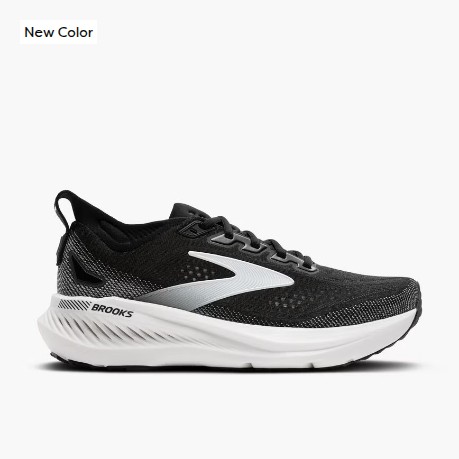
Brooks Adrenaline GTS 24


Curated lineup from our performance lab.
Best Running Shoes for Flat Feet: Top Picks for 2026
Flat feet, or fallen arches, are common among runners and don't necessarily mean you need specialized footwear. However, many runners with flat feet find that shoes with additional support improve comfort and reduce injury risk.
This guide covers the best running shoes for flat feet, from stability shoes with moderate support to motion control options for those who need maximum correction.
Understanding Flat Feet and Running
Flat feet occur when the arch of the foot collapses, causing the entire sole to contact the ground. This can be:
- Flexible flat foot: Arch appears when non-weight bearing but collapses under load
- Rigid flat foot: Arch is absent in all positions
Flat feet often (but not always) lead to overpronation - excessive inward rolling of the foot during the gait cycle. This can stress the ankle, knee, and hip if left unsupported.
However, recent research has challenged the traditional approach of prescribing shoes based on foot type. Many runners with flat feet run successfully in neutral shoes, and comfort is a better predictor of injury prevention than arch type.
Key Features for Flat Feet
| Feature | Why It Helps | What to Look For |
|---|---|---|
| Medial support | Reduces inward collapse | Firmer foam on inner side |
| Structured midsole | Prevents excessive flexion | Reinforced materials |
| Guide rails | Keeps foot aligned | Side support panels |
| Firm heel counter | Stabilizes rearfoot | Rigid heel cup |
| Wide base | Provides stability | Platform wider than upper |
| Good arch support | Supports collapsed arch | Contoured footbed |
Top Running Shoes for Flat Feet
1. Brooks Adrenaline GTS 24 - Best Overall
The Adrenaline GTS 24 uses Brooks' GuideRails system to keep your stride aligned without aggressive correction, making it ideal for runners with flat feet.
Key Specs:
- Cushion Level: Moderate
- Heel-to-Toe Drop: 12mm
- Stack Height: 36mm heel / 24mm forefoot
- Weight: 10.2 oz (men's)
- Price: MSRP: $140
Why It Made the List: Brooks' GuideRails provide holistic support by limiting excessive movement rather than forcing correction. This approach works well for flat feet because it allows natural motion while preventing problematic overpronation. Four width options ensure a good fit.
Pros:
- Effective GuideRails support
- Four width options
- Comfortable for daily training
- Good durability
Cons:
- Higher drop
- Not the plushest
Best For: Runners with flat feet who want reliable support without aggressive correction.
Read our full Brooks Adrenaline GTS 24 review
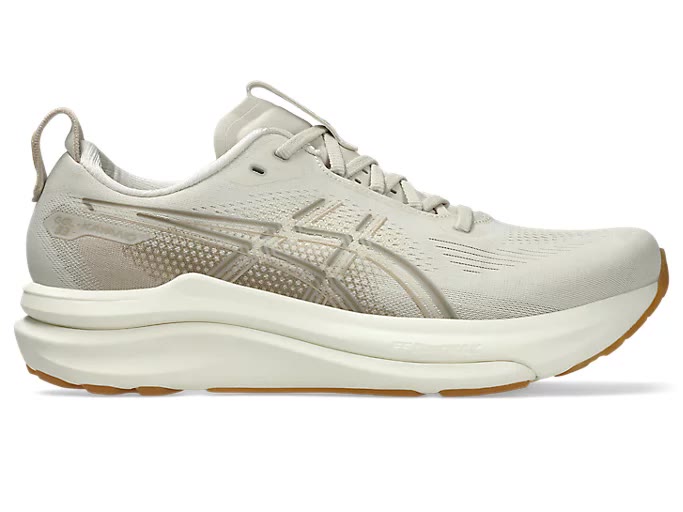
2. ASICS Gel-Kayano 32 - Best Premium Stability
The Kayano 32 represents ASICS' top stability offering, combining premium cushioning with effective support for flat feet.
Key Specs:
- Cushion Level: High
- Heel-to-Toe Drop: 10mm
- Stack Height: 42mm heel / 32mm forefoot
- Weight: 11.0 oz (men's)
- Price: MSRP: $160
Why It Made the List: ASICS' 4D Guidance System provides stability through geometry rather than rigid posts, creating a comfortable ride for flat-footed runners. The PureGEL and FF Blast Plus foam combination offers excellent cushioning that doesn't sacrifice support.
Pros:
- Premium cushioning with stability
- 4D Guidance System
- Four width options
- Very durable
Cons:
- Heavy
- Expensive
Best For: Runners with flat feet who want premium cushioning and support.
Read our full ASICS Gel-Kayano 32 review
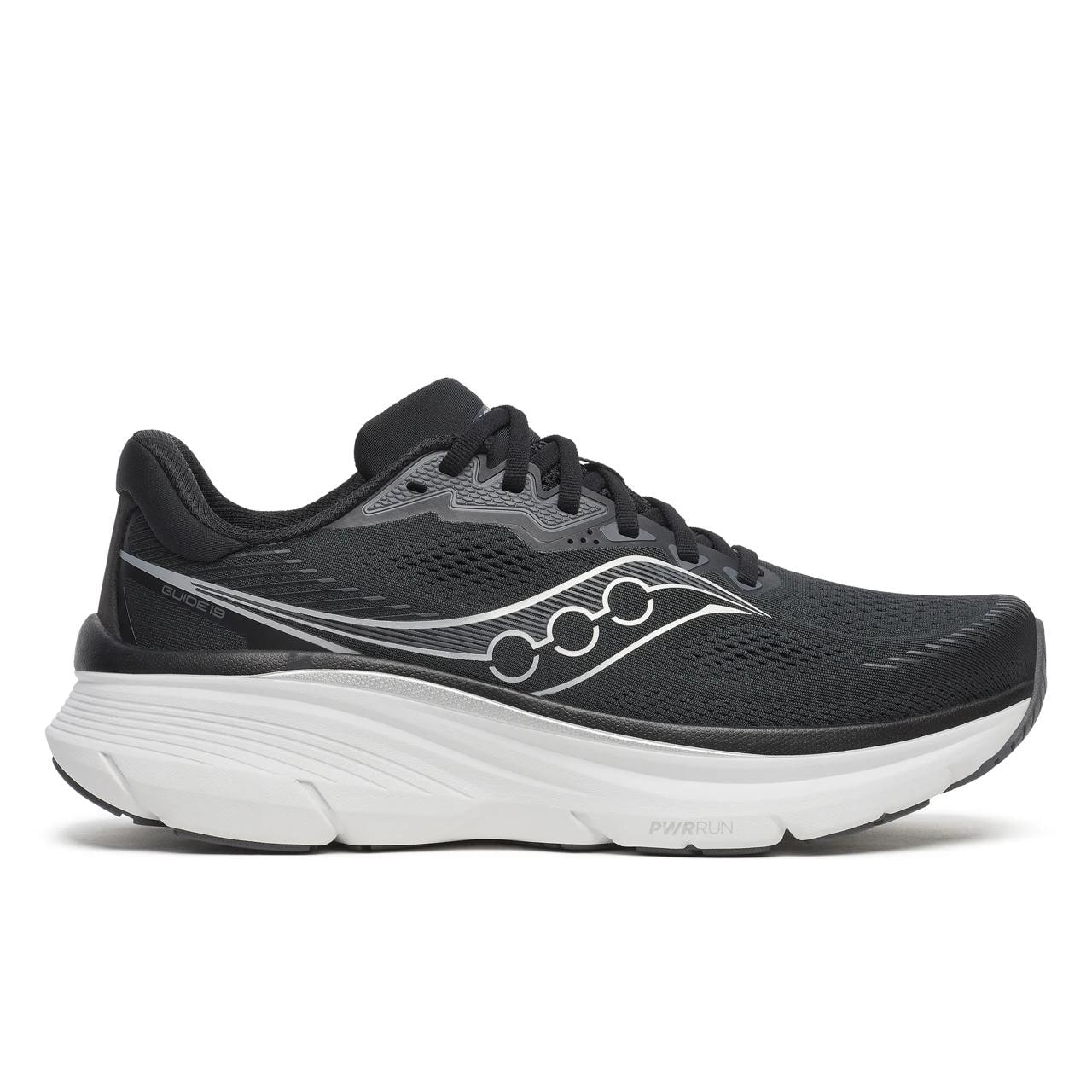
3. Saucony Guide 18 - Best Value
The Guide 18 delivers effective stability features at a reasonable price point, making it accessible for runners with flat feet.
Key Specs:
- Cushion Level: Moderate
- Heel-to-Toe Drop: 8mm
- Stack Height: 35mm heel / 27mm forefoot
- Weight: 9.6 oz (men's)
- Price: MSRP: $140
Why It Made the List: Saucony's medial TPU guidance frame provides support without excessive rigidity. The PWRRUN foam offers good cushioning, and at MSRP: $140, the Guide 18 provides excellent value for a quality stability shoe.
Pros:
- Effective stability
- Good value
- Lighter than competitors
- Wide option available
Cons:
- Less cushioning than premium options
- Only two width options
Best For: Budget-conscious runners with flat feet who need reliable stability.
Read our full Saucony Guide 18 review
4. New Balance Fresh Foam X 860 v14 - Best Width Options
New Balance's 860 v14 combines stability features with the brand's exceptional width range, accommodating flat feet of all sizes.
Key Specs:
- Cushion Level: Moderate
- Heel-to-Toe Drop: 8mm
- Stack Height: 34mm heel / 26mm forefoot
- Weight: 10.6 oz (men's)
- Price: MSRP: $140
Why It Made the List: New Balance offers the 860 v14 in narrow, standard, wide, and extra-wide options, ensuring proper fit for flat feet that often need more room. The medial post provides effective support, and Fresh Foam cushioning is comfortable for daily training.
Pros:
- Five width options
- Effective medial post
- Comfortable cushioning
- Good durability
Cons:
- Heavier design
- Less exciting ride
Best For: Runners with flat feet who need specific width options.
Read our full New Balance Fresh Foam X 860 v14 review
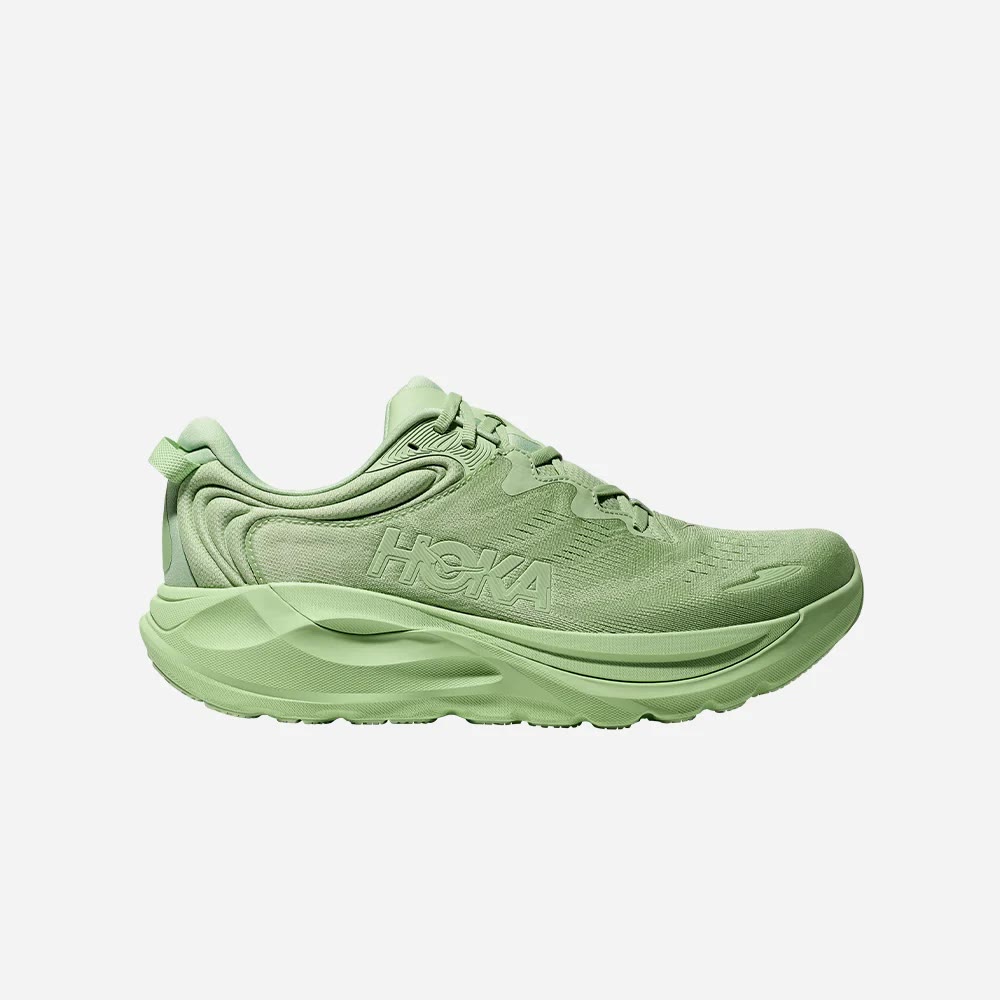
5. HOKA Arahi 7 - Best Lightweight Stability
The Arahi 7 uses HOKA's J-Frame technology to provide support in a relatively lightweight package, defying the heavy stability shoe tradition.
Key Specs:
- Cushion Level: High
- Heel-to-Toe Drop: 5mm
- Stack Height: 37mm heel / 32mm forefoot
- Weight: 9.5 oz (men's)
- Price: MSRP: $145
Why It Made the List: HOKA's J-Frame wraps the outer edge of the midsole to provide stability without adding weight. At 9.5 oz, the Arahi is significantly lighter than most stability shoes while still offering meaningful support for flat feet.
Pros:
- Light for stability shoe
- Comfortable cushioning
- Effective J-Frame support
- Wide option available
Cons:
- Less support than traditional stability
- Narrower toe box
Best For: Runners with flat feet who want support without excessive weight.
Read our full HOKA Arahi 7 review
6. Nike React Infinity Run 4 - Best Injury Prevention Focus
Nike designed the Infinity Run specifically to reduce injury risk, with features that benefit runners with flat feet.
Key Specs:
- Cushion Level: High
- Heel-to-Toe Drop: 9mm
- Stack Height: 37mm heel / 28mm forefoot
- Weight: 10.6 oz (men's)
- Price: MSRP: $160
Why It Made the List: The Infinity Run's wide platform and rocker geometry naturally guide the foot through the gait cycle. Nike's research showed reduced injury rates compared to traditional shoes, making it a smart choice for flat-footed runners prone to overpronation injuries.
Pros:
- Designed for injury prevention
- Wide, stable platform
- React foam cushioning
- Rocker geometry
Cons:
- Heavy
- Wide widths limited
Best For: Runners with flat feet focused on injury prevention.
Read our full Nike React Infinity Run 4 review
7. Brooks Glycerin GTS 21 - Best Cushioned Stability
For runners who want premium cushioning without sacrificing stability, the Glycerin GTS 21 delivers both.
Key Specs:
- Cushion Level: High
- Heel-to-Toe Drop: 10mm
- Stack Height: 38mm heel / 28mm forefoot
- Weight: 10.6 oz (men's)
- Price: MSRP: $160
Why It Made the List: The Glycerin GTS combines Brooks' plushest cushioning with GuideRails support, providing a luxurious ride for flat-footed runners. The DNA LOFT v3 foam offers excellent shock absorption while the support system keeps your stride aligned.
Pros:
- Premium cushioning
- Effective GuideRails
- Three width options
- Great for long runs
Cons:
- Heavy
- Expensive
Best For: Runners with flat feet who prioritize cushioning comfort.
Read our full Brooks Glycerin GTS 21 review
8. Mizuno Wave Inspire 20 - Best Traditional Design
Mizuno's Wave Inspire uses mechanical Wave Plate technology for stability, offering a different approach than foam-based solutions.
Key Specs:
- Cushion Level: Moderate
- Heel-to-Toe Drop: 12mm
- Stack Height: 38mm heel / 26mm forefoot
- Weight: 10.4 oz (men's)
- Price: MSRP: $140
Why It Made the List: Mizuno's fan-shaped Wave Plate provides inherent stability through its physical design rather than dense foam. This creates consistent support that doesn't break down over time, ideal for flat-footed runners who prefer traditional shoe construction.
Pros:
- Wave Plate provides consistent support
- Durable design
- Traditional feel
- Wide option available
Cons:
- Firmer ride
- Higher drop
Best For: Runners with flat feet who prefer traditional running shoe construction.
Read our full Mizuno Wave Inspire 20 review
Comparison Table
| Shoe | Cushion | Drop | Weight | Price | Widths | Support Level |
|---|---|---|---|---|---|---|
| Brooks Adrenaline GTS 24 | Moderate | 12mm | 10.2 oz | MSRP: $140 | 4 | Moderate |
| ASICS Kayano 32 | High | 10mm | 11.0 oz | MSRP: $160 | 4 | Moderate-High |
| Saucony Guide 18 | Moderate | 8mm | 9.6 oz | MSRP: $140 | 2 | Moderate |
| NB 860 v14 | Moderate | 8mm | 10.6 oz | MSRP: $140 | 5 | Moderate |
| HOKA Arahi 7 | High | 5mm | 9.5 oz | MSRP: $145 | 2 | Light-Moderate |
| Nike Infinity Run 4 | High | 9mm | 10.6 oz | MSRP: $160 | 2 | Light-Moderate |
| Brooks Glycerin GTS 21 | High | 10mm | 10.6 oz | MSRP: $160 | 3 | Moderate |
| Mizuno Wave Inspire 20 | Moderate | 12mm | 10.4 oz | MSRP: $140 | 2 | Moderate |
How to Choose the Right Shoe
Assess Your Overpronation Level
- Mild overpronation: HOKA Arahi 7, Nike Infinity Run 4
- Moderate overpronation: Brooks Adrenaline GTS 24, Saucony Guide 18
- Significant overpronation: ASICS Kayano 32, Brooks Glycerin GTS 21
Consider Comfort First
If a neutral shoe feels comfortable and you're not experiencing injuries, you may not need stability features. Many runners with flat feet run successfully in neutral shoes.
Think About Your Running
- Daily training: Brooks Adrenaline GTS 24, Saucony Guide 18
- Long runs: Brooks Glycerin GTS 21, ASICS Kayano 32
- Lighter workouts: HOKA Arahi 7
Check Width Options
Flat feet often benefit from wider shoes. New Balance's five width options in the 860 v14 or Brooks' four widths provide the most flexibility.
Additional Tips for Flat Feet
- Get properly fitted - Don't assume you need stability; try both neutral and stability
- Consider orthotics - If stability shoes alone don't help, custom orthotics may be worthwhile
- Strengthen your feet - Barefoot walking and arch exercises can help over time
- Monitor for pain - Arch pain, shin splints, or knee pain may indicate you need more support
- Transition gradually - If changing support levels, allow 2-3 weeks of adjustment
Summary
Runners with flat feet often benefit from stability shoes, but comfort should guide your decision. The Brooks Adrenaline GTS 24 offers excellent overall support, while the ASICS Gel-Kayano 32 provides premium cushioning with stability. For budget-conscious runners, the Saucony Guide 18 delivers solid value. Remember that flat feet don't automatically require stability shoes - if neutral feels comfortable, there's no need to change.
Track your shoe mileage and running on your dashboard.
Key Takeaway
Runners with flat feet often benefit from stability shoes that provide medial support, but comfort is the ultimate guide. Many flat-footed runners run successfully in neutral shoes. Choose based on how shoes feel, not just foot type.
Frequently Asked Questions
Do runners with flat feet always need stability shoes?
What's the difference between stability and motion control shoes?
Can flat feet be corrected by running shoes?
Should I get custom orthotics for flat feet?
How do I know if I have flat feet?
References
- Running shoe research
- Brand documentation
- Podiatric literature