
Contents
Best Running Shoes for Heavy Runners in 2026: Fit-First Picks
Compare six current running shoes for runners who prefer substantial cushioning, broad platforms, width choice, or guided support, without body-size guarantees.

What changed: Added a fit-first direct answer and immediate decision evidence, expanded exact-model source attribution, and kept cushioning, support, durability, and injury claims within the available evidence.
Quick Hits
- •Body weight alone does not determine cushioning, width, or support needs.
- •Saucony Procyon Max combines a tall platform, light-stability designation, and the lowest stable catalog MSRP here.
- •New Balance 1080v15 and HOKA Clifton 11 offer narrow through extra-wide options.
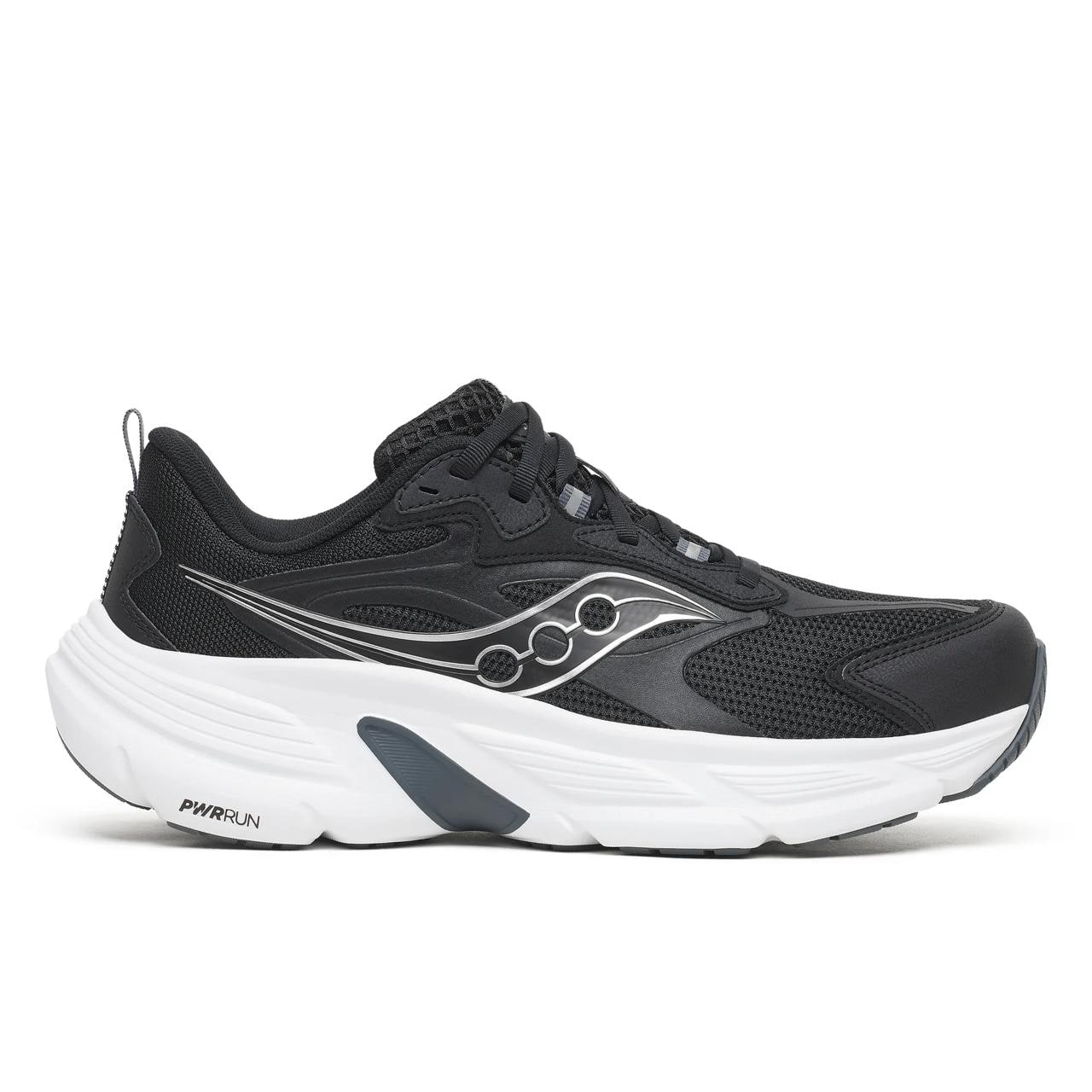
Top pick
Saucony Procyon Max
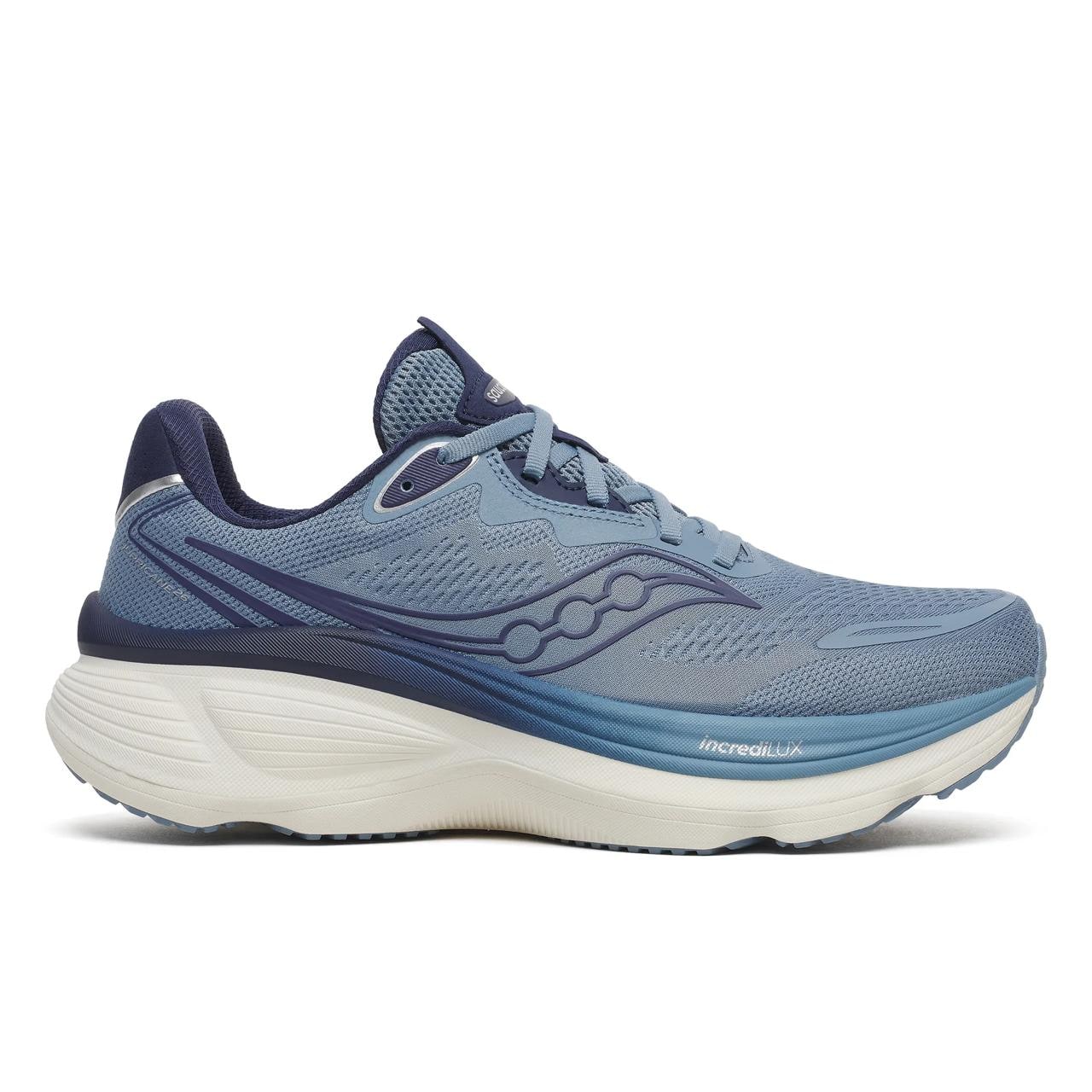
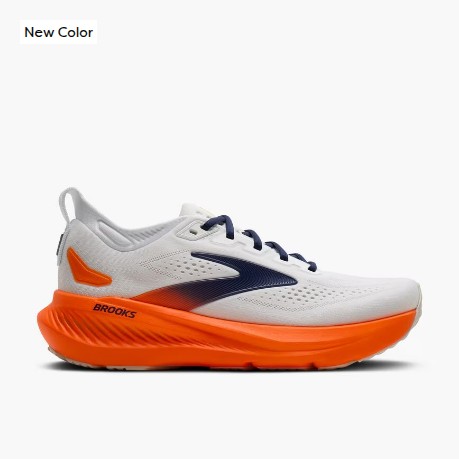
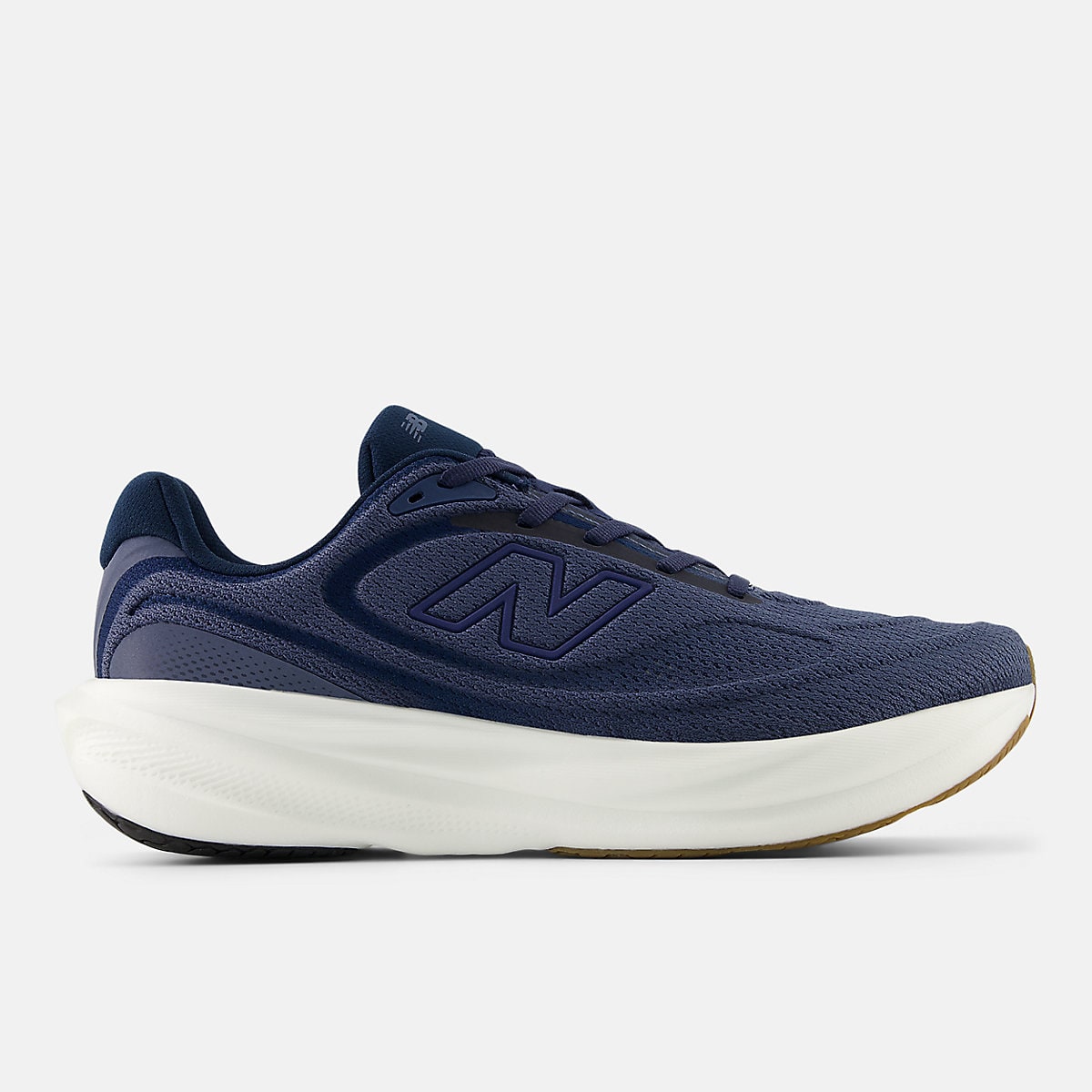
Curated lineup from our audited shoe database.
Best Running Shoes for Heavy Runners in 2026
Decision Evidence
| Fit or guidance need | Best starting point | Evidence and main limit |
|---|---|---|
| Value-guided platform | Saucony Procyon Max | MSRP: $120 catalog MSRP, 45/39mm, standard and wide; fewer widths than neutral picks |
| Max-cushion stability | Saucony Hurricane 26 | Stability-designated 41/35mm platform; arch feel can divide fit |
| Plush broad-width neutral | Brooks Glycerin 23 | Standard through extra-wide; 10.6oz men's weight |
| Lighter broad-width neutral | New Balance 1080v15 | Four widths at 9.2oz; midfoot security can vary |
| Maximum-cushion widths | HOKA Clifton 11 | Four widths and 43/35mm; limited rebound for faster work |
| Strong motion control | Brooks Beast GTS 26 | 12mm drop and high guidance; 12.5oz and not a default based on body size |
“Heavy runner” is a common search phrase, but it is not a shoe prescription. Runners at the same body weight can prefer very different cushioning, widths, drops, and support systems. This guide focuses on current models that offer substantial platforms, multiple fit options, or explicit guidance—not promises tied to a number on a scale.
Comparison Table
| Shoe | Support | Drop | Weight (men/women) | Stack | Widths | Stable catalog MSRP |
|---|---|---|---|---|---|---|
| Procyon Max | Light stability | 6mm | 10.2oz / 9.0oz | 45/39mm | Standard, Wide | MSRP: $120 |
| Hurricane 26 | Stability | 6mm | 9.2oz / 8.1oz | 41/35mm | Standard, Wide | MSRP: $170 |
| Glycerin 23 | Neutral | 8mm | 10.6oz / 9.5oz | 38/30mm | Standard–Extra-Wide | MSRP: $175 |
| 1080v15 | Neutral | 6mm | 9.2oz / 7.8oz | 40/34mm | Narrow–Extra-Wide | MSRP: $170 |
| Clifton 11 | Neutral | 8mm | 9.2oz / 8.0oz | 43/35mm | Narrow–Extra-Wide | MSRP: $155 |
| Beast GTS 26 | Motion control | 12mm | 12.5oz / 11.3oz | 38/28mm | Standard, Wide | MSRP: $170 |
MSRP values are stable catalog references, not live prices.
How We Chose
We used the current 2026 catalog and exact-model manufacturer and independent evidence. The shortlist deliberately spans neutral, light-stability, stability, and motion-control shoes, plus several width ranges. We did not rank shoes by claimed load capacity, injury protection, or guaranteed lifespan because the evidence does not support those promises.
1. Saucony Procyon Max — Best Value-Guided Platform
Procyon Max pairs a 45/39mm stack with a 6mm drop and light-stability designation. Its MSRP: $120 stable catalog MSRP is the lowest in this group, and standard and wide versions give it more fit flexibility than standard-only shoes.
Choose it for tall cushioning with mild guidance. The tradeoff is a 10.2-ounce men's catalog weight and less width breadth than the four-width neutral options.
2. Saucony Hurricane 26 — Best Maximum-Cushion Stability
Hurricane 26 is lighter than Procyon Max in the catalog while retaining a maximum-cushion, stability-designated platform. Its 41/35mm stack and 6mm drop suit runners who like guidance without a high offset.
Its support label describes construction, not who must wear it. Compare its ride with neutral shoes before deciding.
3. Brooks Glycerin 23 — Best Plush Neutral With Broad Widths
Glycerin 23 offers standard, wide, and extra-wide sizing. It is neutral, uses an 8mm drop, and has a 38/30mm stack. This is the straightforward plush daily-trainer option for runners who prioritize fit choice over the lowest weight.
The 10.6-ounce men's weight is higher than the 1080 and Clifton. That is a tradeoff, not a durability guarantee.
4. New Balance 1080v15 — Best Lighter Broad-Width Neutral
The 1080v15 adds a narrow option to the Glycerin's three-width range while dropping catalog weight to 9.2 ounces for men and 7.8 ounces for women. Its 40/34mm stack creates a 6mm offset and supports daily, long, and recovery roles.
Independent feedback notes that midfoot security can vary, so runners should confirm lockdown in the intended width.
5. HOKA Clifton 11 — Best Maximum-Cushion Width Range
Clifton 11 also spans narrow through extra-wide. Its 43/35mm platform earns a maximum-cushion designation while its men's catalog weight matches the 1080 at 9.2 ounces.
Choose Clifton over 1080 if you prefer the higher 8mm drop and HOKA transition. Compare them directly in our 1080 vs Clifton guide.
6. Brooks Beast GTS 26 — Best Motion-Control Option
Beast GTS 26 is the most guided and heaviest shoe here: motion-control support, a 12mm drop, and a 12.5-ounce men's catalog weight. It belongs on the list for runners who already prefer that substantial construction.
It is not the default choice for a heavier body. Start with less guidance if that feels more natural and secure.
Fit and Support Guidance
Begin with foot shape and volume. Check heel hold, midfoot pressure, toe clearance, and whether the platform feels predictable at easy pace. Then compare neutral and guided constructions. Body size cannot determine those preferences.
For more fit options, see our wide-foot running shoe guide. For other comfort-first models, compare the best recovery shoes and best long-run shoes.
Key Takeaway
Use this list as a fit-and-geometry menu: Procyon Max is the value-guided option, 1080v15 and Clifton 11 maximize width choice, and Beast GTS 26 provides the strongest cataloged guidance.
Frequently Asked Questions
Do heavier runners automatically need maximum cushioning?
Do heavier runners need stability shoes?
Do shoes wear out faster for heavier runners?
References
- https://www.saucony.com/en/procyon-max/61252M.html
- https://www.saucony.com/en/hurricane-26/61249M.html
- https://believeintherun.com/shoe-reviews/saucony-hurricane-26-review/
- https://www.brooksrunning.com/en_us/mens/shoes/road-running-shoes/glycerin-23/110476.html
- https://www.solereview.com/brooks-glycerin-23-review/
- https://www.newbalance.com/pd/1080v15/M10803S0-D-075.html
- https://www.tomsguide.com/wellness/running/we-ran-60-miles-in-the-new-balance-1080v15-heres-our-verdict
- https://au.hoka.com/products/clifton-11-1176572-gctc-gctc
- https://www.rtings.com/running-shoes/reviews/hoka/clifton-11
- https://www.brooksrunning.com/en_de/mens/road-running-shoes/beast-gts-26/1104552E422.125.html
- https://www.doctorsofrunning.com/brooks-beast-ariel-gts-26-quick/