Contents
Best Running Shoes for Overpronation: Top Picks for 2026
Find the best running shoes for overpronation with proper stability features, guide rails, and medial support to control excessive inward rolling.
Quick Hits
- •Overpronation means excessive inward rolling of the ankle during the gait cycle
- •Modern stability shoes use guide rails and geometry rather than rigid posts
- •Comfort is a better predictor of injury prevention than gait-based prescription
- •Many overpronators run successfully in neutral shoes
- •Stability comes in degrees - match support level to your needs

Top pick
Brooks Adrenaline GTS 24


Curated lineup from our performance lab.
Best Running Shoes for Overpronation: Top Picks for 2026
Overpronation - excessive inward rolling of the ankle during the gait cycle - affects many runners. Modern stability shoes address overpronation through sophisticated guide systems and geometry rather than the rigid motion control of the past.
This guide covers the best running shoes for overpronation, from light stability options to maximum support for severe cases.
Understanding Overpronation
During normal running, the foot naturally rolls slightly inward (pronates) to absorb shock. Overpronation occurs when this inward roll becomes excessive, potentially stressing the ankle, knee, and hip.
Signs of overpronation include:
- Visible ankle roll: The ankle collapses inward noticeably when running
- Wear patterns: Shoes wear heavily on the inner edge
- Flat feet: Though not all flat feet overpronate
- Related injuries: Shin splints, runner's knee, or inner ankle pain
However, many runners overpronate without experiencing problems. Shoe selection should be based on symptoms and comfort, not gait analysis alone.
Types of Stability Support
| Level | Technology | Best For |
|---|---|---|
| Light stability | Mild guide rails, wider platforms | Mild overpronation, preventive support |
| Moderate stability | Full guide rails, medial post | Clear overpronation, recurring injuries |
| Maximum support | Rigid medial post, firm platform | Severe overpronation, very heavy runners |
Top Running Shoes for Overpronation
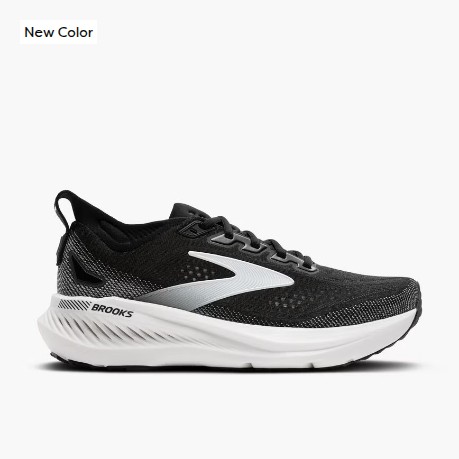
1. Brooks Adrenaline GTS 24 - Best Overall Stability
Brooks' GuideRails system provides effective support without aggressive correction.
Key Specs:
- Cushion Level: Moderate
- Heel-to-Toe Drop: 12mm
- Stack Height: 36mm heel / 24mm forefoot
- Weight: 10.2 oz (men's)
- Price: MSRP: $140
Why It Made the List: Brooks' GuideRails keep your stride aligned by limiting excessive movement rather than forcing rigid correction. This holistic approach works for most overpronators without feeling restrictive. Four width options ensure proper fit.
Pros:
- Effective GuideRails
- Four width options
- Comfortable daily trainer
- Good durability
Cons:
- Higher drop
- Moderate cushioning only
Best For: Runners who need support without aggressive correction.
Read our full Brooks Adrenaline GTS 24 review
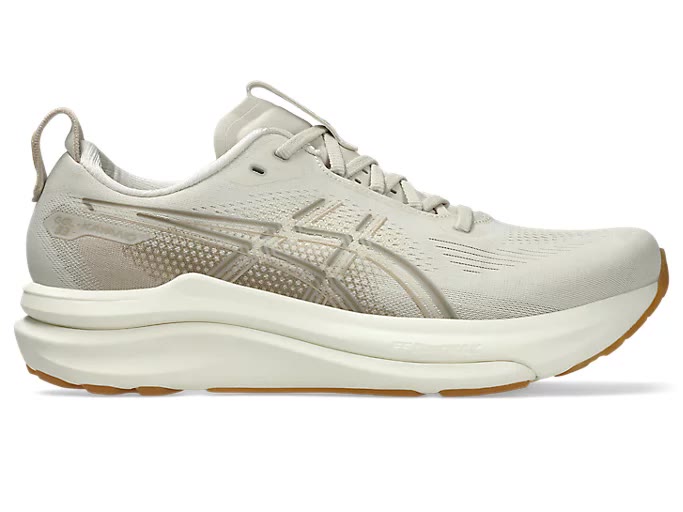
2. ASICS Gel-Kayano 32 - Best Premium Stability
The Kayano 32 combines premium cushioning with ASICS' 4D Guidance System.
Key Specs:
- Cushion Level: High
- Heel-to-Toe Drop: 10mm
- Stack Height: 42mm heel / 32mm forefoot
- Weight: 11.0 oz (men's)
- Price: MSRP: $160
Why It Made the List: ASICS' 4D Guidance System uses geometry to guide your stride rather than rigid posts. Combined with PureGEL and FF Blast Plus foam, you get premium cushioning alongside stability. Four width options accommodate different foot shapes.
Pros:
- Premium cushioning
- 4D Guidance System
- Four widths
- Excellent durability
Cons:
- Heavy
- Expensive
Best For: Overpronators who want premium cushioning.
Read our full ASICS Gel-Kayano 32 review
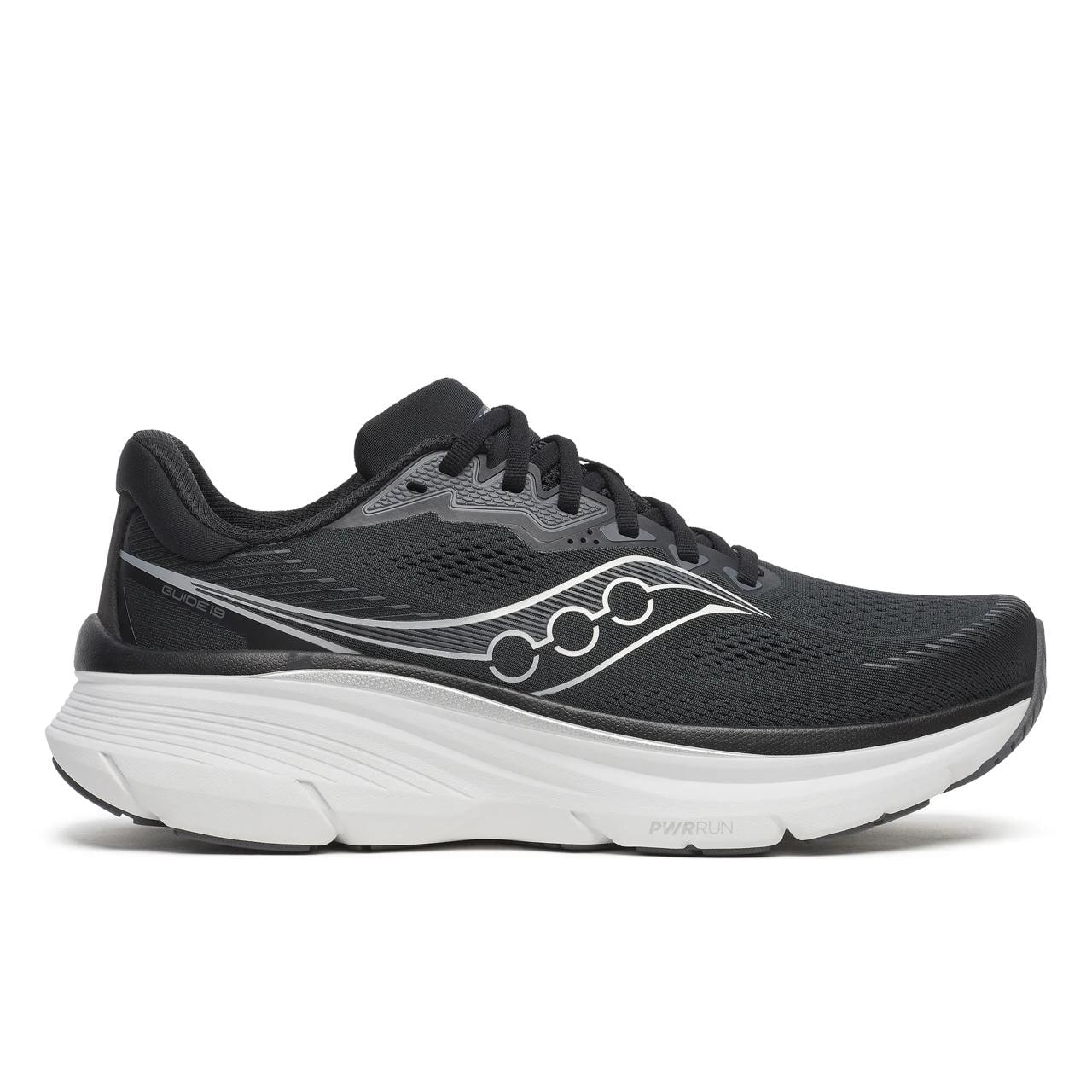
3. Saucony Guide 18 - Best Value Stability
The Guide 18 provides effective stability at a reasonable price point.
Key Specs:
- Cushion Level: Moderate
- Heel-to-Toe Drop: 8mm
- Stack Height: 35mm heel / 27mm forefoot
- Weight: 9.6 oz (men's)
- Price: MSRP: $140
Why It Made the List: Saucony's medial TPU guidance frame provides effective support without adding excessive weight or rigidity. The PWRRUN foam offers comfortable cushioning, and at MSRP: $140, the Guide represents excellent value in the stability category.
Pros:
- Effective stability
- Good value
- Relatively light
- Wide option
Cons:
- Less cushioning than premium
- Only two widths
Best For: Budget-conscious overpronators.
Read our full Saucony Guide 18 review
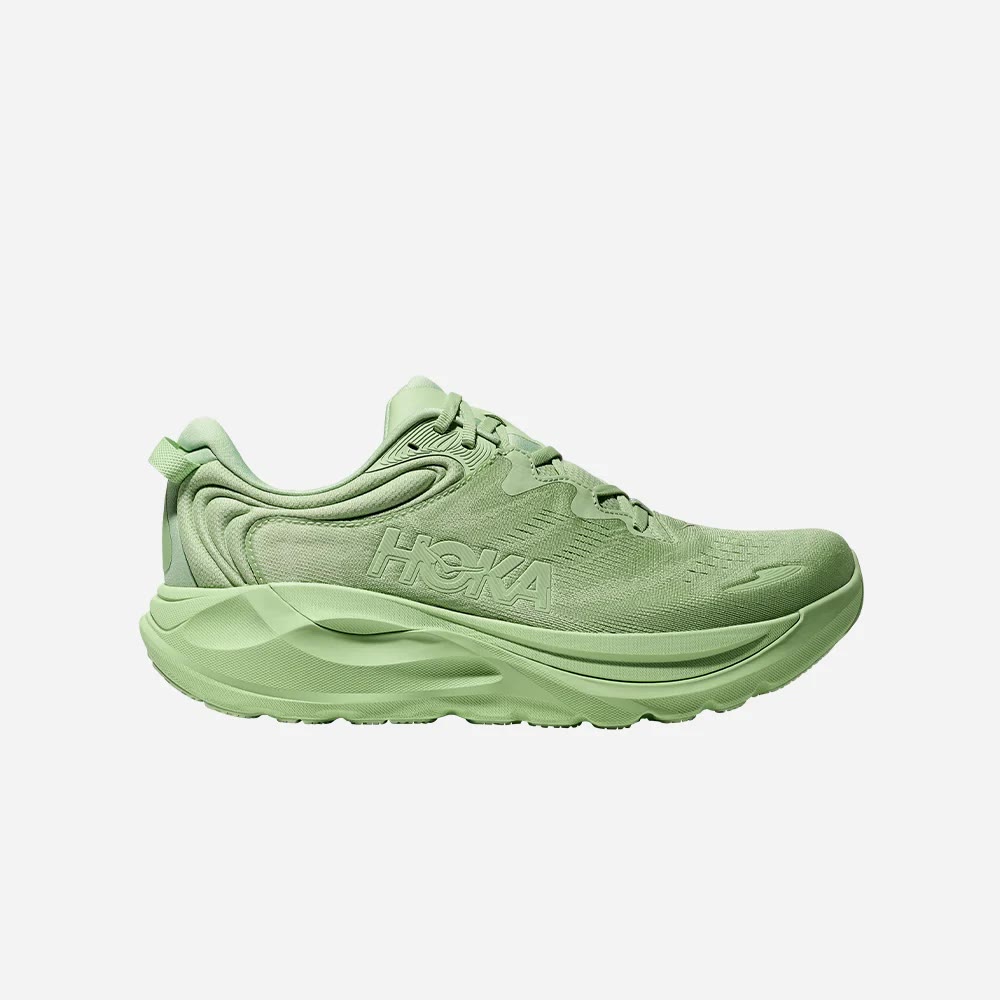
4. HOKA Arahi 7 - Best Lightweight Stability
The Arahi 7 uses HOKA's J-Frame for stability at minimal weight.
Key Specs:
- Cushion Level: High
- Heel-to-Toe Drop: 5mm
- Stack Height: 37mm heel / 32mm forefoot
- Weight: 9.5 oz (men's)
- Price: MSRP: $145
Why It Made the List: At 9.5 oz, the Arahi is significantly lighter than most stability shoes. HOKA's J-Frame wraps the outer midsole to guide foot motion without adding bulk. High cushioning and smooth ride complete the package.
Pros:
- Light for stability
- Good cushioning
- J-Frame support
- Smooth ride
Cons:
- Lower drop
- Less support than traditional stability
Best For: Overpronators who want lightweight stability.
Read our full HOKA Arahi 7 review
5. New Balance Fresh Foam X 860 v14 - Best Width Options
New Balance's 860 offers stability across their exceptional width range.
Key Specs:
- Cushion Level: Moderate
- Heel-to-Toe Drop: 8mm
- Stack Height: 34mm heel / 26mm forefoot
- Weight: 10.6 oz (men's)
- Price: MSRP: $140
Why It Made the List: New Balance offers the 860 in five widths from narrow to extra-wide. The medial post provides effective stability, and Fresh Foam cushioning is comfortable. For overpronators who struggle with fit, this is the answer.
Pros:
- Five width options
- Effective medial post
- Good cushioning
- Reliable durability
Cons:
- Heavier design
- Traditional approach
Best For: Overpronators who need specific widths.
Read our full New Balance Fresh Foam X 860 v14 review
6. Nike React Infinity Run 4 - Best Injury Prevention Focus
Nike designed the Infinity Run to reduce injuries through stability and cushioning.
Key Specs:
- Cushion Level: High
- Heel-to-Toe Drop: 9mm
- Stack Height: 37mm heel / 28mm forefoot
- Weight: 10.6 oz (men's)
- Price: MSRP: $160
Why It Made the List: Rather than traditional stability features, the Infinity Run uses a wide platform and rocker geometry to naturally guide foot motion. Nike's research showed reduced injury rates compared to traditional shoes - meaningful for injury-prone overpronators.
Pros:
- Injury prevention design
- Wide, stable platform
- React foam cushioning
- Rocker geometry
Cons:
- Heavy
- Limited widths
Best For: Injury-prone overpronators.
Read our full Nike React Infinity Run 4 review
7. Brooks Glycerin GTS 21 - Best Cushioned Stability
The Glycerin GTS combines Brooks' plushest cushioning with GuideRails.
Key Specs:
- Cushion Level: High
- Heel-to-Toe Drop: 10mm
- Stack Height: 38mm heel / 28mm forefoot
- Weight: 10.6 oz (men's)
- Price: MSRP: $160
Why It Made the List: For overpronators who want plush cushioning without sacrificing support, the Glycerin GTS delivers both. DNA LOFT v3 foam provides a luxurious ride while GuideRails keep your stride aligned.
Pros:
- Premium cushioning
- GuideRails support
- Three widths
- Great for long runs
Cons:
- Heavy
- Expensive
Best For: Overpronators who want maximum cushioning.
Read our full Brooks Glycerin GTS 21 review
8. HOKA Gaviota 5 - Best Maximum Stability
For severe overpronation, the Gaviota provides HOKA's most aggressive support.
Key Specs:
- Cushion Level: High
- Heel-to-Toe Drop: 5mm
- Stack Height: 37mm heel / 32mm forefoot
- Weight: 10.8 oz (men's)
- Price: MSRP: $165
Why It Made the List: The Gaviota uses an extended J-Frame that provides more support than the Arahi. For severe overpronators or heavier runners who need maximum control, the Gaviota delivers without the clunky feel of old motion control shoes.
Pros:
- Maximum J-Frame support
- High cushioning
- Wide option
- Durable
Cons:
- Heavy
- May be too much for mild overpronation
Best For: Severe overpronators who need maximum support.
Read our full HOKA Gaviota 5 review
Comparison Table
| Shoe | Cushion | Drop | Weight | Price | Support Level |
|---|---|---|---|---|---|
| Brooks Adrenaline GTS 24 | Moderate | 12mm | 10.2 oz | MSRP: $140 | Moderate |
| ASICS Kayano 32 | High | 10mm | 11.0 oz | MSRP: $160 | Moderate |
| Saucony Guide 18 | Moderate | 8mm | 9.6 oz | MSRP: $140 | Moderate |
| HOKA Arahi 7 | High | 5mm | 9.5 oz | MSRP: $145 | Light-Moderate |
| NB 860 v14 | Moderate | 8mm | 10.6 oz | MSRP: $140 | Moderate |
| Nike Infinity Run 4 | High | 9mm | 10.6 oz | MSRP: $160 | Light-Moderate |
| Brooks Glycerin GTS 21 | High | 10mm | 10.6 oz | MSRP: $160 | Moderate |
| HOKA Gaviota 5 | High | 5mm | 10.8 oz | MSRP: $165 | Maximum |
How to Choose Support Level
Light Stability
For runners who:
- Have mild overpronation
- Want preventive support
- Prefer lighter shoes
- Run injury-free but want some guidance
Try: HOKA Arahi 7, Nike Infinity Run 4
Moderate Stability
For runners who:
- Have clear overpronation
- Experience related injuries in neutral shoes
- Want reliable daily support
- Need proven stability technology
Try: Brooks Adrenaline GTS 24, ASICS Kayano 32, Saucony Guide 18
Maximum Stability
For runners who:
- Have severe overpronation
- Are heavier and need more control
- Haven't found success in moderate stability
- Need maximum correction
Try: HOKA Gaviota 5
Tips for Overpronators
- Start moderate - Most overpronators don't need maximum support
- Consider comfort first - Research shows comfort predicts injury prevention
- Get properly fitted - Width matters for stability effectiveness
- Replace on time - Stability features degrade with mileage
- Strengthen - Hip and foot strengthening can reduce overpronation naturally
Summary
Modern stability shoes control overpronation through intelligent geometry rather than rigid correction. The Brooks Adrenaline GTS 24 provides excellent overall stability with GuideRails. The ASICS Gel-Kayano 32 offers premium cushioning with stability, while the HOKA Arahi 7 proves lightweight stability is possible. Match support level to your actual needs - many overpronators don't need maximum control.
Track your running and shoe mileage on your dashboard.
Key Takeaway
Modern stability shoes control overpronation through geometry and guide rails rather than rigid correction. Choose support level based on your actual needs, and remember that comfort often matters more than gait analysis. Many overpronators run successfully in neutral shoes.
Frequently Asked Questions
How do I know if I overpronate?
Do all overpronators need stability shoes?
What's the difference between stability and motion control?
Can stability shoes cause problems?
Have stability shoes improved in recent years?
References
- Running shoe research
- Brand documentation
- Biomechanics literature