Best Stability Running Shoes: Top Picks for 2026

Share

Find the best stability running shoes with medial support, guide rails, and motion control features for runners who need extra support.

Bob BodilyBob Bodily
8 min readShoes

Quick Hits

  • Modern stability shoes use geometry and rails rather than rigid posts
  • Stability doesn't mean sacrificing cushioning or comfort
  • Guide rails limit excessive movement rather than forcing correction
  • Many runners don't need stability despite what gait analysis suggests
  • Comfort is a better predictor of injury prevention than foot type
Brooks Adrenaline GTS 24 top pick

Top pick

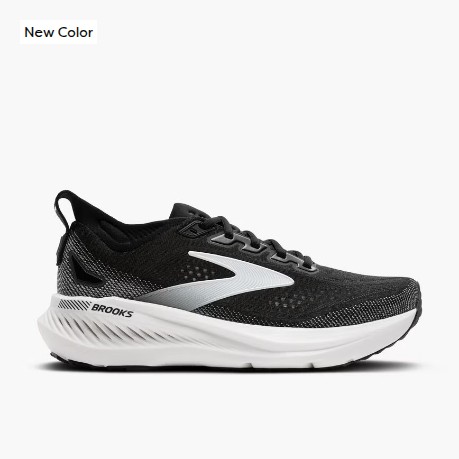
Brooks Adrenaline GTS 24

ASICS Gel-Kayano 32 recommendation
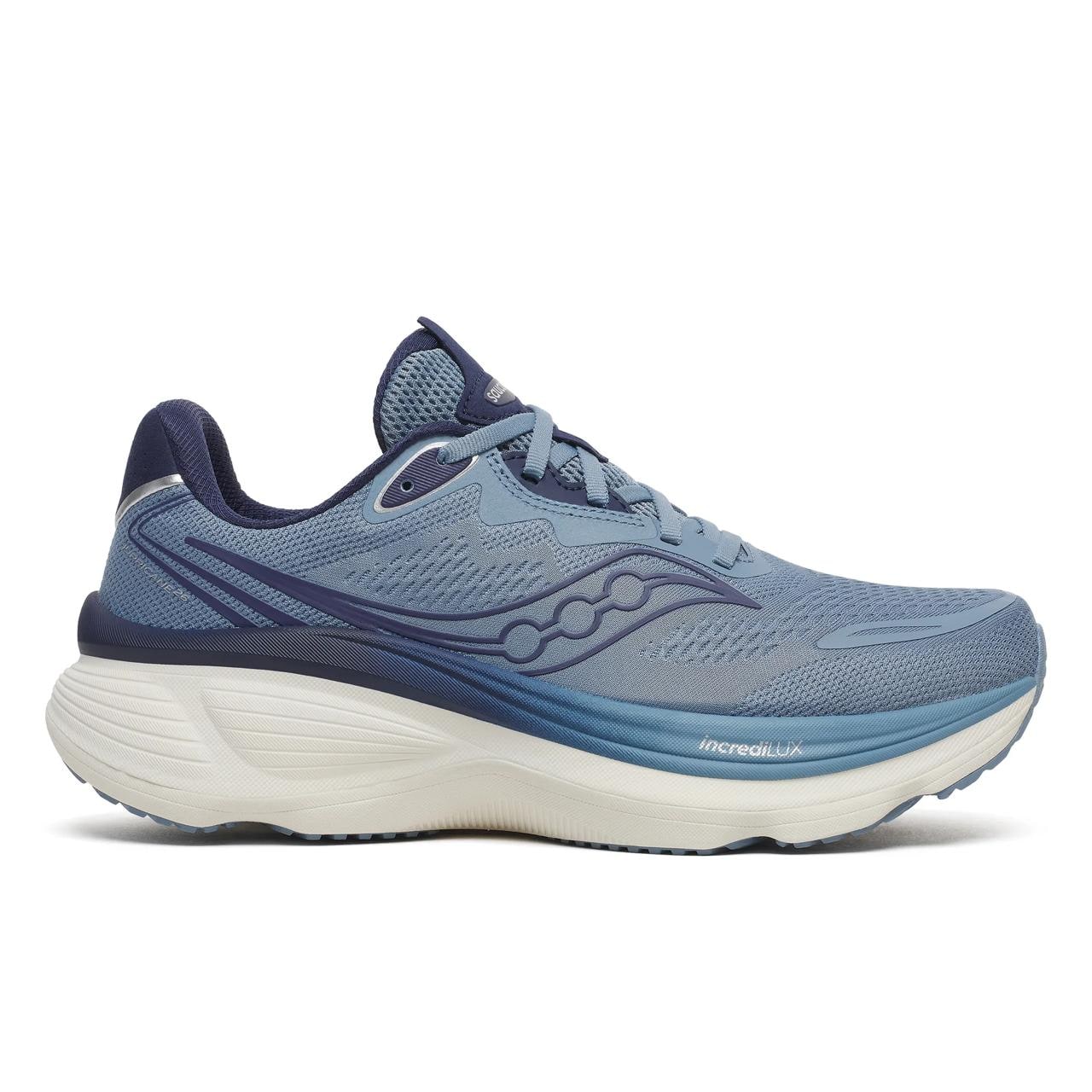
ASICS Gel-Kayano 32
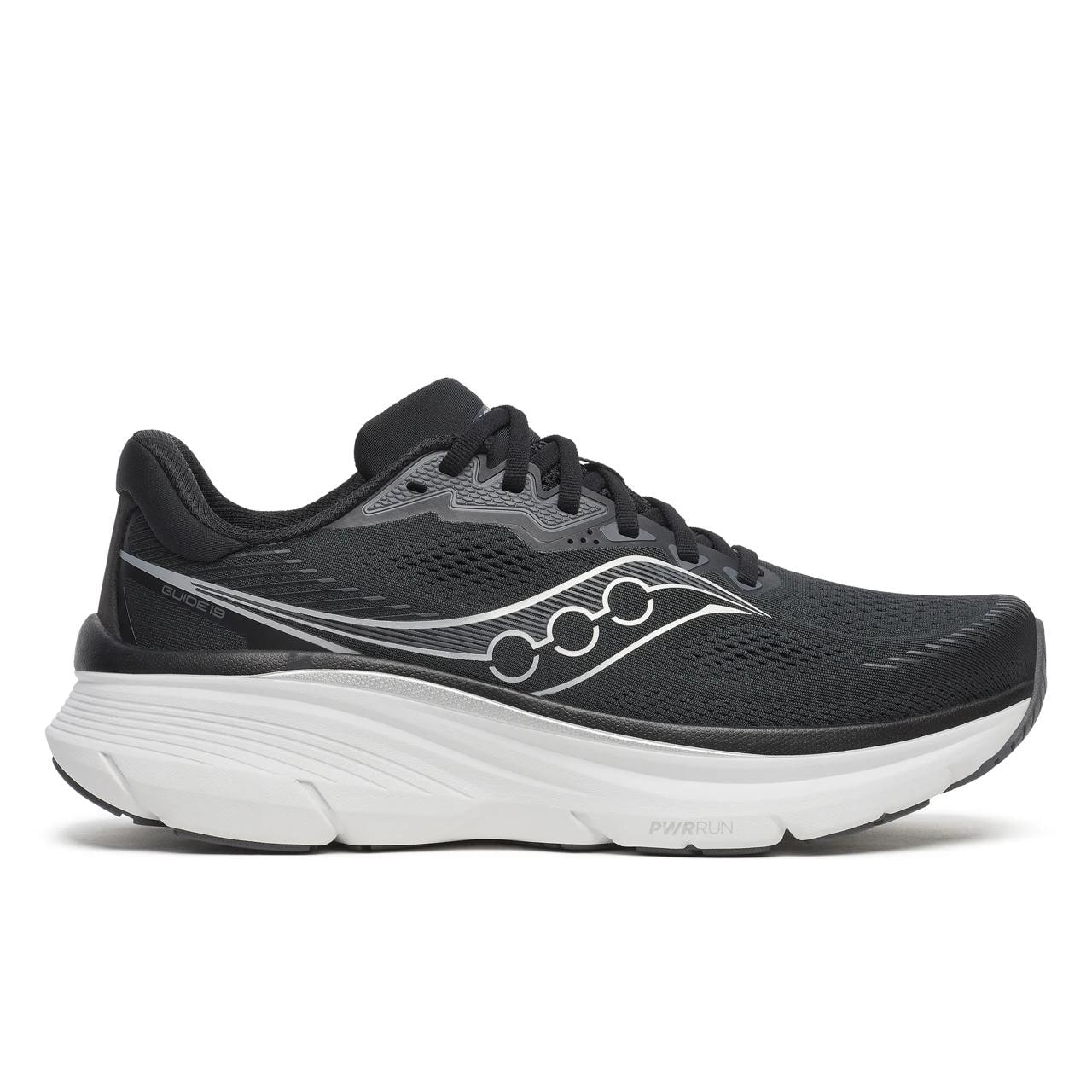
Saucony Guide 18 recommendation
Saucony Guide 18
HOKA Arahi 7 recommendation
HOKA Arahi 7

Curated lineup from our performance lab.

Best Stability Running Shoes: Top Picks for 2026

Stability running shoes have evolved dramatically from the heavy, rigid motion control shoes of the past. Modern stability shoes use intelligent geometry and dynamic support systems to guide your stride without aggressive correction.

This guide covers the best stability running shoes for 2026, from light stability options to maximum support for significant overpronation.


Understanding Stability Shoes

Stability shoes help control excessive inward rolling (overpronation) during the gait cycle. Modern approaches include:

  • Guide rails: Side walls that limit excessive movement without forcing correction
  • Medial posts: Firmer foam on the inner side to resist collapse
  • Geometry-based support: Midsole designs that naturally guide foot motion
  • Wide platforms: Broader bases that provide inherent stability

The goal is no longer to "fix" your gait but to keep your foot within a healthy range of motion.


Types of Stability Support

Support Level Technology Best For
Light stability Mild guide rails, firm foam Mild overpronators, preventive support
Moderate stability Full guide rails, medial post Moderate overpronators
Maximum support Rigid medial post, firm platform Severe overpronators, heavy runners

Top Stability Running Shoes

1. Brooks Adrenaline GTS 24 - Best Overall

Brooks' GuideRails system has redefined what stability shoes can be, and the Adrenaline GTS 24 executes it perfectly.

Key Specs:

  • Cushion Level: Moderate
  • Heel-to-Toe Drop: 12mm
  • Stack Height: 36mm heel / 24mm forefoot
  • Weight: 10.2 oz (men's)
  • Price: MSRP: $140

Why It Made the List: Brooks' GuideRails don't try to correct your gait - they simply keep your foot within a healthy range of motion. This holistic approach provides support without the heavy, restrictive feel of traditional stability shoes. Four width options ensure proper fit.

Pros:

  • Effective GuideRails system
  • Comfortable for daily training
  • Four width options
  • Good durability

Cons:

  • Higher drop
  • Moderate cushioning only

Best For: Runners who need support without aggressive correction.

Read our full Brooks Adrenaline GTS 24 review


2. ASICS Gel-Kayano 32 - Best Premium Stability

The Kayano 32 delivers premium cushioning alongside ASICS' 4D Guidance System for top-tier stability.

Key Specs:

  • Cushion Level: High
  • Heel-to-Toe Drop: 10mm
  • Stack Height: 42mm heel / 32mm forefoot
  • Weight: 11.0 oz (men's)
  • Price: MSRP: $160

Why It Made the List: ASICS' 4D Guidance System uses geometry to guide your stride rather than rigid posts. Combined with PureGEL and FF Blast Plus foam, the Kayano 32 offers stability without sacrificing cushioning comfort. It's the premium choice for runners who want it all.

Pros:

  • Premium cushioning
  • Effective guidance system
  • Four width options
  • Excellent durability

Cons:

  • Heavy
  • Expensive

Best For: Runners who want premium cushioning with stability.

Read our full ASICS Gel-Kayano 32 review


3. Saucony Guide 18 - Best Value Stability

The Guide 18 provides effective stability at a reasonable price point, making support accessible to more runners.

Key Specs:

  • Cushion Level: Moderate
  • Heel-to-Toe Drop: 8mm
  • Stack Height: 35mm heel / 27mm forefoot
  • Weight: 9.6 oz (men's)
  • Price: MSRP: $140

Why It Made the List: Saucony's medial TPU guidance frame provides effective support without adding excessive weight or rigidity. The PWRRUN foam offers comfortable cushioning, and at MSRP: $140, the Guide 18 represents excellent value in the stability category.

Pros:

  • Effective support system
  • Good value
  • Relatively light
  • Wide option available

Cons:

  • Less cushioning than premium options
  • Only two width options

Best For: Budget-conscious runners who need stability.

Read our full Saucony Guide 18 review


4. HOKA Arahi 7 - Best Lightweight Stability

HOKA's Arahi 7 proves stability shoes don't have to be heavy, using J-Frame technology to provide support at minimal weight.

Key Specs:

  • Cushion Level: High
  • Heel-to-Toe Drop: 5mm
  • Stack Height: 37mm heel / 32mm forefoot
  • Weight: 9.5 oz (men's)
  • Price: MSRP: $145

Why It Made the List: At 9.5 oz, the Arahi 7 is significantly lighter than most stability shoes while still providing meaningful support through HOKA's J-Frame. The frame wraps the outer edge of the midsole, guiding your foot without adding bulk.

Pros:

  • Light for stability
  • Good cushioning
  • Smooth ride
  • Wide option available

Cons:

  • Less support than traditional stability
  • Narrower toe box

Best For: Runners who need light stability without weight penalty.

Read our full HOKA Arahi 7 review


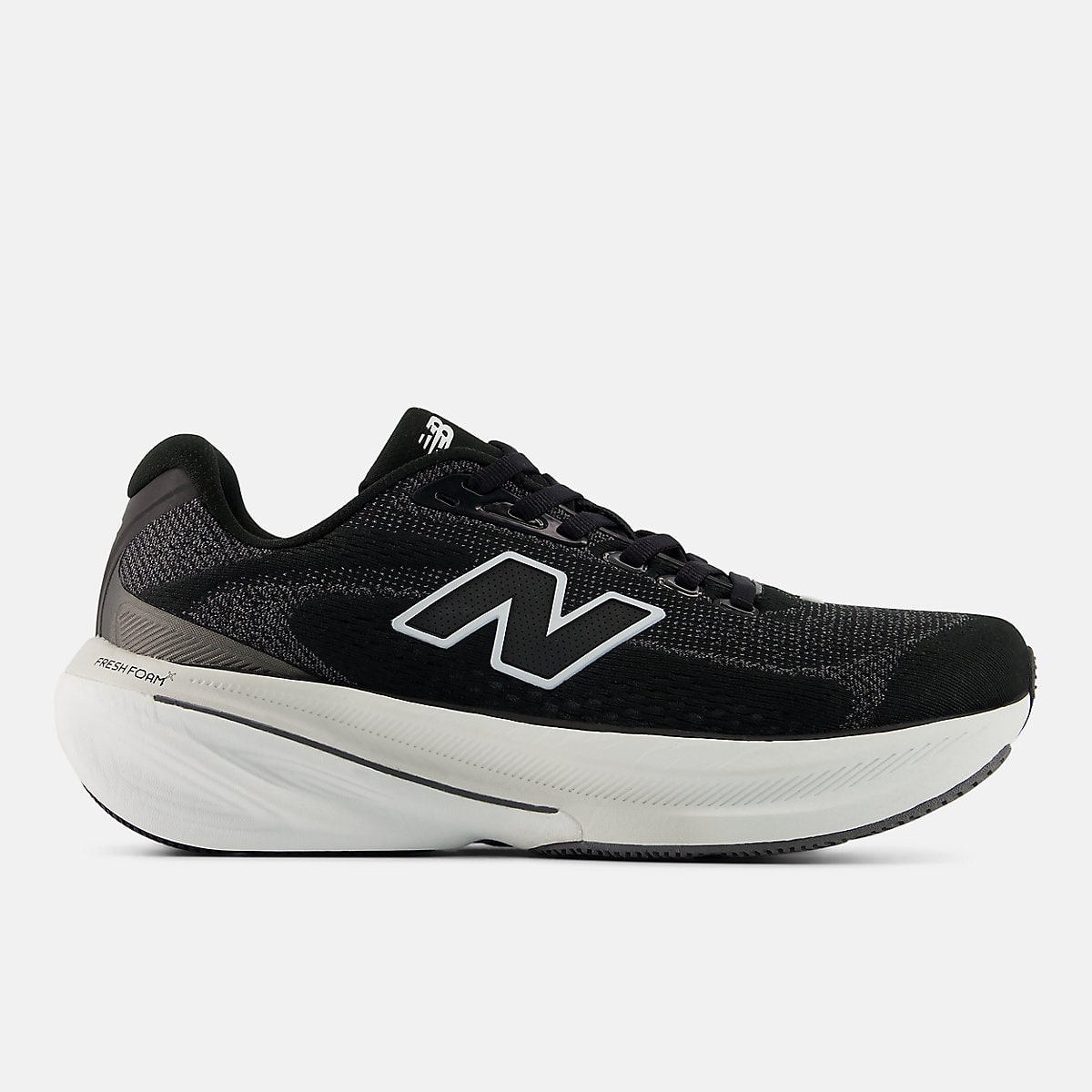
5. New Balance Fresh Foam X 860 v14 - Best Width Options

New Balance's 860 v14 provides stability across the industry's widest range of size options.

Key Specs:

  • Cushion Level: Moderate
  • Heel-to-Toe Drop: 8mm
  • Stack Height: 34mm heel / 26mm forefoot
  • Weight: 10.6 oz (men's)
  • Price: MSRP: $140

Why It Made the List: Offering five widths from narrow to extra-wide, the 860 v14 ensures proper fit regardless of foot shape. The medial post provides effective support, and Fresh Foam cushioning is comfortable for daily training.

Pros:

  • Five width options
  • Effective medial post
  • Comfortable cushioning
  • Good durability

Cons:

  • Heavier design
  • Traditional feel

Best For: Runners who need stability in specific widths.

Read our full New Balance Fresh Foam X 860 v14 review


6. Nike React Infinity Run 4 - Best Injury Prevention Focus

Nike designed the Infinity Run to reduce injuries, using a wide platform and rocker geometry that naturally provides stability.

Key Specs:

  • Cushion Level: High
  • Heel-to-Toe Drop: 9mm
  • Stack Height: 37mm heel / 28mm forefoot
  • Weight: 10.6 oz (men's)
  • Price: MSRP: $160

Why It Made the List: Rather than traditional stability features, the Infinity Run uses its wide platform and rocker geometry to guide foot motion. Nike's research showed reduced injury rates compared to traditional shoes, making it a smart choice for injury-prone runners.

Pros:

  • Injury prevention focused
  • Wide, stable platform
  • React foam cushioning
  • Smooth ride

Cons:

  • Heavy
  • Limited widths

Best For: Runners focused on injury prevention through stability.

Read our full Nike React Infinity Run 4 review


7. Brooks Glycerin GTS 21 - Best Cushioned Stability

For runners who want maximum cushioning without sacrificing stability, the Glycerin GTS 21 delivers both.

Key Specs:

  • Cushion Level: High
  • Heel-to-Toe Drop: 10mm
  • Stack Height: 38mm heel / 28mm forefoot
  • Weight: 10.6 oz (men's)
  • Price: MSRP: $160

Why It Made the List: The Glycerin GTS combines Brooks' plushest DNA LOFT v3 foam with GuideRails support. The result is a luxuriously cushioned shoe that still keeps your stride aligned - perfect for long runs when you need both comfort and control.

Pros:

  • Premium cushioning
  • Effective GuideRails
  • Three width options
  • Great for long runs

Cons:

  • Heavy
  • Expensive

Best For: Runners who want premium cushioning with stability.

Read our full Brooks Glycerin GTS 21 review


8. HOKA Gaviota 5 - Best Maximum Stability

For runners who need maximum support, the Gaviota 5 provides HOKA's most aggressive stability features.

Key Specs:

  • Cushion Level: High
  • Heel-to-Toe Drop: 5mm
  • Stack Height: 37mm heel / 32mm forefoot
  • Weight: 10.8 oz (men's)
  • Price: MSRP: $165

Why It Made the List: The Gaviota 5 uses an extended J-Frame that provides more support than the Arahi while maintaining HOKA's signature cushioning. For severe overpronators or heavier runners who need maximum control, the Gaviota delivers.

Pros:

  • Maximum J-Frame support
  • High cushioning
  • Wide option available
  • Durable

Cons:

  • Heavy
  • May be too much for mild overpronators

Best For: Runners who need maximum stability support.

Read our full HOKA Gaviota 5 review


Comparison Table

Shoe Cushion Drop Weight Price Support Level
Brooks Adrenaline GTS 24 Moderate 12mm 10.2 oz MSRP: $140 Moderate
ASICS Kayano 32 High 10mm 11.0 oz MSRP: $160 Moderate
Saucony Guide 18 Moderate 8mm 9.6 oz MSRP: $140 Moderate
HOKA Arahi 7 High 5mm 9.5 oz MSRP: $145 Light-Moderate
NB 860 v14 Moderate 8mm 10.6 oz MSRP: $140 Moderate
Nike Infinity Run 4 High 9mm 10.6 oz MSRP: $160 Light-Moderate
Brooks Glycerin GTS 21 High 10mm 10.6 oz MSRP: $160 Moderate
HOKA Gaviota 5 High 5mm 10.8 oz MSRP: $165 Maximum

How to Choose Stability Level

Light Stability

For runners who:

  • Have mild overpronation
  • Want preventive support
  • Don't like heavy shoes

Try: HOKA Arahi 7, Nike Infinity Run 4

Moderate Stability

For runners who:

  • Have clear overpronation
  • Experience related injuries in neutral shoes
  • Want reliable daily support

Try: Brooks Adrenaline GTS 24, Saucony Guide 18, ASICS Kayano 32

Maximum Stability

For runners who:

  • Have severe overpronation
  • Are heavier and need more control
  • Haven't found success in moderate stability

Try: HOKA Gaviota 5


Summary

Modern stability shoes have moved beyond rigid motion control to dynamic support systems that guide rather than force. The Brooks Adrenaline GTS 24 offers excellent overall stability with GuideRails technology, while the ASICS Gel-Kayano 32 provides premium cushioning with support. For lightweight stability, the HOKA Arahi 7 proves you don't need heavy shoes to get effective support. Whatever your needs, today's stability shoes are more comfortable than ever.


Track your shoe mileage and running on your dashboard.

Key Takeaway

Modern stability running shoes provide support through geometry and guide rails rather than rigid posts, making them more comfortable than ever. The best stability shoes balance support with cushioning and don't feel dramatically different from neutral options.

Frequently Asked Questions

How do I know if I need stability shoes?
Signs you might benefit from stability shoes include visible inward ankle roll when running, recurring shin splints or knee pain on the inside, or wearing patterns heavy on the inner edge of your shoes. However, many runners with these signs do fine in neutral shoes. Try both and go with what feels comfortable.
What's the difference between stability and motion control shoes?
Stability shoes provide moderate support through firmer medial foam or guide rails. Motion control shoes offer maximum correction with rigid medial posts and stiffer construction. Most runners who need support do well with stability; motion control is for severe overpronation.
Have stability shoes improved in recent years?
Yes, significantly. Modern stability shoes use dynamic support systems like guide rails that limit excessive movement without forcing rigid correction. They're now lighter, more comfortable, and don't feel dramatically different from neutral shoes. The heavy, clunky motion control of the past is largely obsolete.
Can stability shoes cause problems?
Overcorrection from aggressive stability features can cause issues for runners who don't need them. If you experience lateral ankle or knee pain in stability shoes, you may be overcorrected. The trend toward lighter stability features reduces this risk, but proper fit is still essential.
Should I use stability shoes for all my running?
Not necessarily. Some runners use stability for easy runs and long runs but switch to neutral or racing shoes for speed work and races. If you benefit from stability, using it for recovery runs and high-mileage days often provides the most value.

References

  1. Running shoe research
  2. Brand documentation

Send to a friend

Know someone training for a race? Share this with their long-run buddy.