Gravel Running: The Complete Guide to Mixed-Terrain Running

Share

The definitive guide to gravel running. Learn what makes gravel running unique, how it differs from road and trail, choose the right shoes, and explore the fastest-growing category in running.

Bob BodilyBob Bodily
12 min readRunner Types & Goals

Quick Hits

  • Gravel running is the middle ground between road and trail—think dirt roads, fire roads, and packed paths
  • Gravel shoes use shallow lugs (1-3mm) compared to trail shoes (3-6mm) for versatility across surfaces
  • One pair of gravel shoes can replace both road and trail shoes for many runners
  • Like gravel cycling, the trend is about freedom and adventure without technical complexity
  • Major brands (Salomon, Craft, Nike) are launching gravel-specific shoes in 2025-2026
  • Expect to run 10-30 sec/mile slower than road pace on gravel surfaces
Gravel Running: The Complete Guide to Mixed-Terrain Running

Gravel Running: The Complete Guide to Mixed-Terrain Running

Last updated: January 2026

You don't have to choose between road and trail anymore.

Gravel running is the middle ground—and it's the fastest-growing category in running for good reason.


Quick Start: Gravel Running in 60 Seconds

Everything you need to know to start today:

Question Answer
What is gravel running? Running on non-paved, non-technical surfaces (dirt roads, fire roads, packed paths)
What shoes do I need? Road shoes work on packed gravel; gravel shoes (1-3mm lugs) for varied terrain
How much slower than road? 10-30 seconds/mile—much less than trail
Where do I find gravel? Fire roads, canal paths, rail trails, state parks, dirt roads
The #1 benefit? One shoe does everything—road, gravel, and light trail
Who is it for? Runners who want off-road adventure without technical complexity

Your first gravel run:

  1. Find a dirt road or fire road near you
  2. Wear your road shoes (they'll work fine)
  3. Run by effort, not pace
  4. Enjoy the scenery

Who This Guide Is For

This guide is perfect for you if:

  • You're curious about off-road running but intimidated by technical trails
  • You want more variety in your training without buying specialized gear
  • You're a road runner looking for lower-impact surfaces
  • You travel frequently and want one versatile shoe
  • You're interested in the gravel running trend
  • You want to explore but prefer predictable terrain

What you'll learn:

  • Exactly what gravel running is (and isn't)
  • How it compares to road and trail running
  • Complete shoe guide for gravel
  • How to find gravel routes
  • Technique adjustments for mixed terrain
  • How to integrate gravel into training for any goal

What Is Gravel Running?

The Definition

Gravel running: Running on non-paved, non-technical surfaces that don't require constant foot placement attention.

Gravel terrain includes:

Surface Type Example
Dirt roads Country roads, farm roads
Fire roads Forest service roads, fire breaks
Canal paths Towpaths along waterways
Rail trails Converted railroad corridors
Crushed limestone Many park trails
Packed gravel Well-maintained multi-use paths
Hardpack Compacted dirt surfaces

What Gravel Running Is NOT

Gravel is different from trail running:

Gravel Running Trail Running
Predictable surfaces Variable surfaces
Minimal technical skill needed Technical skill required
Can zone out at times Constant attention required
Run at near-road pace Significantly slower
Gentle grades typical Steep, varied grades
Wide, clear paths Narrow single-track

The simple test: If you can run without watching every footstep, it's gravel terrain.

The Gravel Cycling Parallel

Just as gravel cycling exploded in popularity, gravel running is emerging as its own category.

The appeal is identical:

  • Freedom to explore beyond pavement
  • Escape from traffic and crowds
  • Adventure without extreme technical demands
  • One setup for multiple surfaces
  • The joy of going off the beaten path

Gravel cycling market grew 300%+ in five years. Running brands are betting gravel running follows the same trajectory.


Why Gravel Running Is Trending

The Versatility Factor

One pair of shoes, endless options:

Scenario Gravel Shoes Handle It
Morning commute run Yes (pavement section)
Lunchtime park loop Yes (packed dirt)
Weekend fire road adventure Yes (gravel/dirt)
Travel—only packing one shoe Yes (any surface)
Light trail exploration Yes (non-technical)

For runners who don't want to specialize, gravel is the answer to the "which shoe?" question.

The Safety Factor

Gravel paths offer advantages over roads:

  • No traffic (or minimal)
  • Softer surfaces than concrete
  • Less crowded than popular road routes
  • Often in nature/parks
  • Well-maintained in many areas

The Adventure Factor

Road running can feel repetitive. Gravel opens up:

  • New routes to explore
  • Scenery beyond your neighborhood
  • The satisfaction of going off-road
  • Connection with nature without technical intensity
  • Seasonal variety as surfaces change

The Physical Benefits

Gravel provides training advantages:

Benefit Mechanism
Lower impact Softer surfaces than pavement
Varied muscle use Slight terrain variation engages stabilizers
Natural strength work Subtle unevenness builds leg strength
Reduced repetitive stress Varied foot placement angles

The Industry Response (2025-2026)

Major brands are betting on gravel:

  • Salomon: Launched Aero Glide Grvl series
  • Craft: Developed Xplor line specifically for gravel
  • Nike: Expanding Pegasus Trail line
  • Brooks, HOKA, New Balance: All developing gravel-focused models

The category is new—you're getting in early.


Gravel vs. Road vs. Trail: The Complete Comparison

Surface Comparison Matrix

Factor Road Gravel Trail
Surface Pavement, concrete Dirt, packed gravel, crushed stone Rocks, roots, mud, technical
Predictability Very high High Variable to low
Pace Fastest Slightly slower (-10-30 sec/mile) Significantly slower (-60+ sec/mile)
Attention required Minimal Low High
Impact Highest Medium Lowest (but variable)
Skill needed Basic Basic Technical
Weather sensitivity Low Medium High

Shoe Requirements Comparison

Feature Road Shoes Gravel Shoes Trail Shoes
Lugs None/minimal 1-3mm 3-6mm+
Outsole rubber Standard Sticky compound Aggressive grip
Rock plate No Sometimes Often
Weight Lightest Light-medium Medium-heavy
Durability Moderate High Highest
Road performance Excellent Good Poor
Gravel performance Fair Excellent Good
Trail performance Poor Fair Excellent

Decision Framework: Which Terrain Is Right for You?

What do you want from your runs?
│
├── Speed and PRs → Road
│
├── Adventure without complexity → Gravel
│
├── Maximum off-road challenge → Trail
│
├── Variety and flexibility → Gravel
│
├── One shoe for everything → Gravel
│
└── Access to nature with low skill requirement → Gravel

Gravel Running Shoes: The Complete Guide

What Makes Gravel Shoes Different

The four key features:

1. Moderate Lug Depth (1-3mm)

Lug Depth Surface Suitability
0-1mm (road) Pavement only
1-3mm (gravel) Road + gravel + light trail
3-6mm (trail) Technical trail

Gravel shoes hit the sweet spot: Enough grip for loose surfaces, not so much that they're clunky on pavement.

2. Sticky Rubber Compound

  • Better traction than standard road rubber
  • Grips on dust, loose gravel, wet surfaces
  • Durable enough for rough terrain
  • Doesn't wear too fast on pavement

3. Protective Features

  • Light rock protection (may include thin plate)
  • Reinforced toe bumpers
  • More durable upper materials
  • Guards against debris without adding weight

4. Versatile Cushioning

  • Enough cushion for hard surfaces
  • Not so much that it's unstable on uneven ground
  • Typically 29-40mm stack height
  • Balanced feel across surfaces

The Gravel Shoe Decision Tree

Do you need gravel-specific shoes?
│
├── Only run on well-packed surfaces → Road shoes are fine
│
├── Occasionally hit dirt/gravel → Road shoes probably fine
│
├── Frequently mix surfaces → Consider gravel shoes
│
├── Want one shoe for everything → Gravel shoes ideal
│
├── Traveling light → Gravel shoes perfect
│
└── Progressing toward trails → Gravel shoes as transition

Top Gravel Shoes (2025-2026)

Shoe Key Features Best For
Craft Xplor 2 Vittoria-designed outsole, road-fast feel Runners leaning toward road
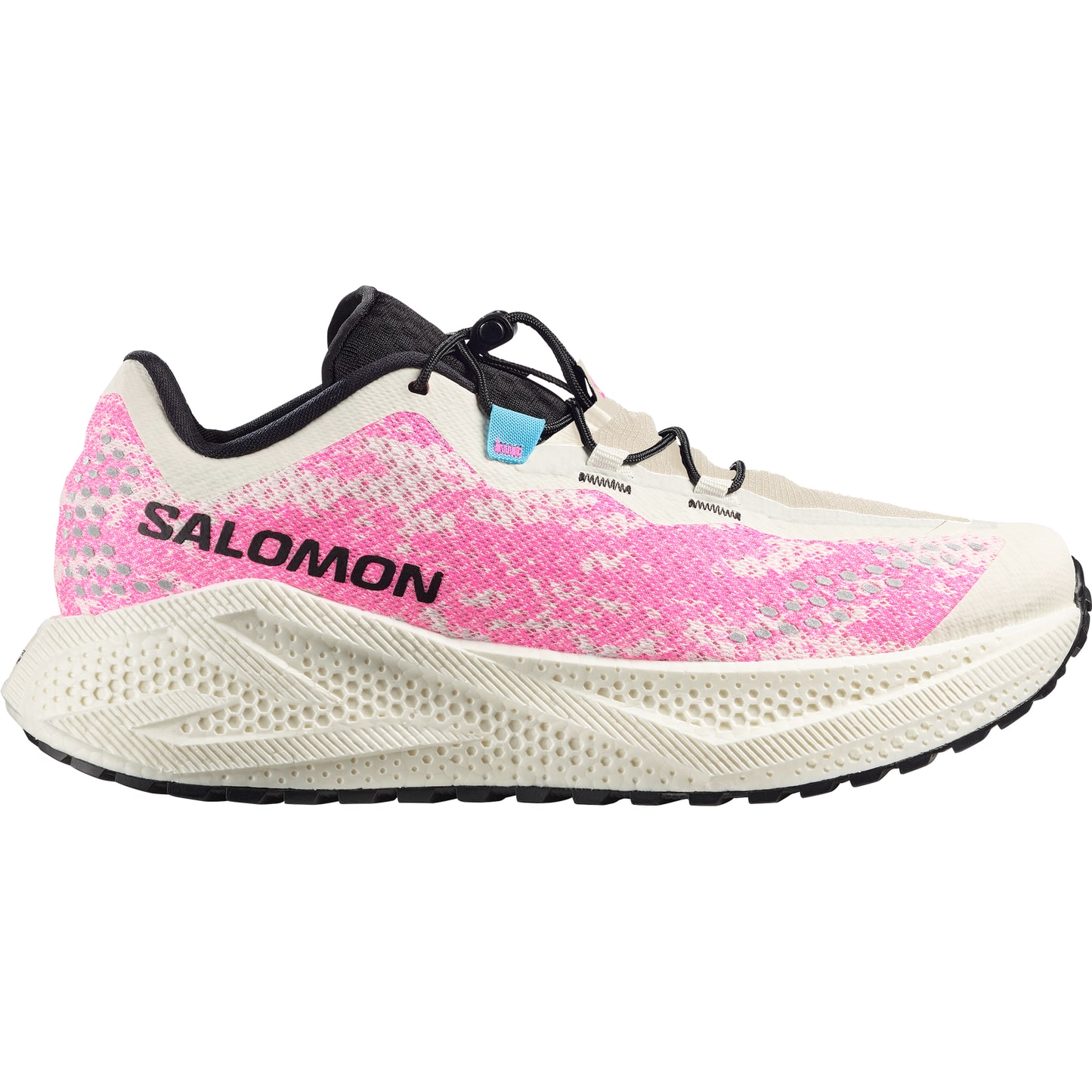
Salomon Aero Glide Grvl 41mm/33mm stack, quick-lace system Runners leaning toward trail
Nike Pegasus Trail Familiar Pegasus feel, versatile outsole Nike loyalists
Brooks Catamount Nitrogen-infused cushioning Longer gravel efforts
HOKA Challenger ATR Max cushion, moderate lugs Cushion-seekers

Gravel Shoe vs. Other Options

Comparison Result
Gravel shoes on road Work well (slightly less efficient than road shoes)
Gravel shoes on light trail Work well
Gravel shoes on technical trail Inadequate (get trail shoes)
Road shoes on gravel Work on packed surfaces, slip on loose
Trail shoes on gravel Work but overkill, heavy, wear fast

Getting Started with Gravel Running

Finding Gravel Routes

Where to search:

Resource What to Look For
AllTrails Filter for "easy" trails, look for fire roads
Strava Heatmaps See where local runners go off-road
Google Maps satellite Identify dirt roads, paths
Local parks Fire roads, maintenance paths
Canal/river paths Towpaths often well-maintained gravel
Rail trails Converted railroads, usually packed gravel
Running stores Staff often know local gravel routes

Your First Gravel Run

Week 1 Protocol:

Element Recommendation
Surface Well-packed dirt or gravel (not loose)
Distance Your normal easy run distance
Shoes Start with road shoes
Pace By effort, not pace (expect 10-30 sec/mile slower)
Route Out-and-back (easy to navigate)

What to expect:

  • Slightly more energy expended at same effort
  • May feel minor instability (normal)
  • Different sensory experience
  • Possibly some slipping (normal on loose sections)

Progression Plan

Phase Duration Focus
Week 1-2 1 gravel run/week Get comfortable on packed surfaces
Week 3-4 2 gravel runs/week Try varied surfaces
Month 2 Mix as desired Explore new routes
Month 3+ Integrate fully Gravel becomes natural option

The Gravel Readiness Checklist

Before your first gravel run:

  • Identified a gravel route (fire road, rail trail, dirt path)
  • Checked weather (avoid after heavy rain)
  • Planned route or have GPS/maps
  • Appropriate shoes for surface
  • Adjusted pace expectations
  • Water if running remote/long

Gravel Running Technique

Foundational Adjustments

Gravel requires subtle changes from road running:

Element Road Gravel
Cadence Normal (160-180) Slightly higher on loose surfaces
Stride Longer OK Slightly shorter for stability
Foot strike Personal preference Midfoot often best
Push-off Full power Controlled (reduces slipping)
Vision Minimal attention Scan ahead for surface changes

Surface-Specific Technique

Packed/Hardpack Gravel

  • Run nearly identical to road
  • Minimal adjustment needed
  • Can maintain close to road pace

Loose Gravel

  • Shorter, quicker strides
  • Stay light on feet
  • Accept some slipping (normal)
  • Don't overstride
  • Keep weight centered

Mixed Surfaces

  • Stay alert for transitions
  • Adjust cadence for each section
  • Don't fight the terrain—flow with it

Hill Technique on Gravel

Direction Technique
Uphill Shorter steps for traction, lean forward slightly
Downhill Control speed, avoid heavy braking (causes sliding)
Steep sections Power hiking acceptable (like trail running)

Wet Weather Technique

Gravel gets slippery when wet:

  • Slow down, especially on descents
  • Avoid sharp turns at speed
  • Puddles may hide uneven surfaces
  • Packed gravel less affected than loose

Building Gravel Into Your Training

For Road Racers

Gravel enhances road training without compromising specificity:

How Gravel Helps Mechanism
Lower-impact easy runs Softer surfaces reduce cumulative stress
Natural strength work Slight instability builds leg strength
Mental variety Break from monotonous road loops
Recovery enhancement Easier runs feel fresher on soft surfaces

Example Week (Road Race Focus):

Day Workout Surface
Monday Rest
Tuesday Intervals Road/track
Wednesday Easy Gravel
Thursday Tempo Road
Friday Easy Gravel
Saturday Long run Mixed (road + gravel)
Sunday Recovery Either

For Trail Aspirants

Gravel is the perfect gateway to trails:

Gravel Builds Which Prepares You For
Off-road confidence Trail comfort
Stability muscles Technical terrain
Variable surface adaptation Rocks, roots, mud
Mental flexibility Trail problem-solving

Progression: Road → Gravel → Trail

For Minimalists (One-Shoe Runners)

If gravel shoes are your only pair:

  • Use them for everything
  • Accept slightly suboptimal performance on pure road and pure trail
  • "Slightly suboptimal everywhere" beats "optimal nowhere"
  • Save money, closet space, and decision fatigue

Safety Considerations

Gravel routes may be less marked than roads or popular trails:

Precaution Why
Carry phone with GPS Primary navigation
Download offline maps Cell service may be spotty
Tell someone your route Standard safety practice
Know how to get back Don't rely solely on technology

Wildlife and Isolation

Gravel often means fewer people:

  • May encounter wildlife
  • Limited cell service possible
  • Fewer people to ask for help
  • Self-sufficiency more important

Carry what you need: Water, phone, ID, basic first aid for longer/remote routes.

Surface Hazards

Watch for:

Hazard Solution
Potholes and ruts Scan ahead
Loose patches after rain Slow down
Vehicle traffic on shared roads Stay visible, yield
Drainage grates/culverts Go around
Hidden rocks Scan, especially post-rain

Weather Considerations

Condition Gravel Impact Recommendation
Dry Ideal Normal running
Light rain Manageable Slower, careful
Heavy rain Slippery, possibly muddy Consider alternatives
Snow Variable Depends on packed vs. fresh
Ice Dangerous Avoid or use traction

Common Mistakes

Mistake 1: Expecting Road Pace

The error: Checking your watch and feeling slow.

The reality: Gravel is 10-30 sec/mile slower—by design.

The fix: Run by effort, not pace. A 9:30 gravel pace at easy effort equals an 9:00 road pace.

Mistake 2: Overreacting to Slipping

The error: Tensing up when feet slip slightly.

The reality: Minor slipping on loose gravel is normal.

The fix: Stay relaxed. Accept small slips. You won't fall unless you overcorrect.

Mistake 3: Using Wrong Shoes

The error: Trail shoes on packed gravel OR road shoes on loose gravel.

The reality: Match shoes to surface.

The fix: Road shoes for packed surfaces, gravel shoes for varied terrain, trail shoes only for technical.

Mistake 4: Ignoring Weather

The error: Running the same gravel route regardless of conditions.

The reality: Gravel changes significantly with weather.

The fix: Check conditions. After rain, gravel may be muddy or slick. Adjust route or timing.

Mistake 5: Poor Route Planning

The error: Heading out without knowing the terrain.

The reality: Gravel routes vary in quality and difficulty.

The fix: Scout routes first (drive, bike, or short walk) or use satellite imagery.


Troubleshooting

Problem: Slipping Too Much

Likely Cause Solution
Road shoes on loose gravel Get gravel shoes with 1-3mm lugs
Running too fast Slow down
Aggressive push-off Softer push-off, higher cadence
Wet conditions Wait for drier surface

Problem: Feet Getting Tired/Sore

Likely Cause Solution
Not enough cushioning Try shoes with more stack
Surface too rough Start on smoother gravel
Too much mileage too soon Build gravel volume gradually

Problem: Gravel Feels Too Hard

Likely Cause Solution
Running too fast Slow down to easy effort
Surface too loose Find more packed routes
Fitness mismatch Build general fitness first
Wrong expectations Accept gravel is slightly more demanding

Problem: Can't Find Gravel Routes

Solution How
Expand search radius Drive 10-15 minutes to state parks
Use satellite view Look for brown/tan paths on Google Maps
Ask local runners Running stores, clubs often know spots
Look for rail trails traillink.com lists converted railways

Next Steps

Continue Learning

Related guides:

Take Action

  1. Find a gravel route — Search AllTrails or Google Maps satellite for dirt roads/fire roads near you
  2. Try your first gravel run — Use current road shoes on packed surface
  3. Assess shoe needs — If slipping too much, consider gravel-specific shoes
  4. Explore regularly — Add gravel to weekly rotation
  5. Enjoy the adventure — That's the whole point

Summary

Gravel running fills the gap between road and trail:

Principle What It Means
Middle ground Adventure without technical demands
One-shoe versatility Road + gravel + light trail in one
Lower impact Softer than pavement
Slight pace cost 10-30 sec/mile slower (worth it)
Minimal skill required Run like road, just watch the surface
Freedom Explore beyond pavement

The bottom line: If you've felt limited by pavement but intimidated by trails, gravel is your answer. One pair of shoes, endless possibilities. Find a dirt road, lace up, and explore.


Track your gravel adventures on your dashboard.

Key Takeaway

Gravel running offers the adventure of off-road running without the technical demands of trails. It's the sweet spot for runners who want to escape pavement but don't need aggressive terrain. One pair of gravel shoes can handle road, gravel, and light trails—making it the most versatile category for everyday runners.

Frequently Asked Questions

What's the difference between gravel and trail running?
Gravel running focuses on non-technical off-road surfaces: dirt roads, fire roads, packed gravel paths, and crushed limestone. Trail running involves more technical terrain with rocks, roots, steep grades, and single-track. Gravel is faster and more predictable; trail is more challenging and varied.
Do I need special shoes for gravel running?
Not necessarily. Road shoes work on well-packed gravel. However, gravel-specific shoes offer better traction and durability without the weight and aggressive tread of trail shoes. If you run on mixed surfaces regularly, gravel shoes are worth considering.
Can I use trail shoes for gravel?
Yes, but they're overkill. Trail shoes have deeper lugs (3-6mm) designed for technical terrain. On gravel and hardpack, those lugs add weight and may feel clunky. Gravel shoes with shallower lugs (1-3mm) are faster and more versatile.
What surfaces count as gravel running?
Dirt roads, fire roads, canal paths, crushed limestone trails, packed gravel paths, farm roads, and any non-paved surface that's relatively smooth and predictable. If you don't need to watch every footstep, it's probably gravel terrain.
Is gravel running easier than trail running?
Generally yes. Gravel surfaces are more predictable, allowing you to maintain pace without constant foot placement decisions. You don't need the same ankle stability and technical skill required for rocky, rooty trails. But gravel still offers more variety than road running.
How much slower is gravel than road running?
Expect 10-30 seconds per mile slower on gravel compared to road. Well-packed gravel is closer to road pace; loose gravel is slower. The difference is much smaller than road-to-trail, making gravel a good transitional terrain.
Can I train for a road race on gravel?
Yes. Gravel provides lower-impact easy runs while building leg strength. However, do race-specific workouts (tempos, intervals) on roads to adapt to the surface you'll race on. Mix both for optimal training.
Is gravel running good for injury-prone runners?
Often yes. Gravel surfaces are softer than pavement, reducing impact. The slight variability also distributes stress across different muscles. Many runners with chronic road-running injuries find gravel more comfortable.
What's the best gravel shoe in 2026?
Top options include Craft Xplor 2, Salomon Aero Glide Grvl, and lighter versions of Nike Pegasus Trail. The best shoe depends on your foot shape and whether you lean more road or trail in your running. Try multiple options.
Can I run gravel in any weather?
Gravel is more weather-dependent than road. Wet gravel can be slippery, and muddy conditions may require trail shoes. Packed dry gravel is ideal. In winter, frozen gravel is fine but ice patches require caution.

References

  1. Running industry trends 2025-2026
  2. Gravel shoe reviews and comparisons
  3. Running community insights
  4. Trail running research

Send to a friend

Know someone training for a race? Share this with their long-run buddy.