
Contents
Nike Pegasus Plus Review: Flexible ZoomX, Now Superseded
Research-based Nike Pegasus Plus review covering official weight and drop, independent stack and fit findings, ride, limitations, comparisons, and its value after the Pegasus Plus 2 arrived.

What changed: Corrected official reference weights, stack provenance, full-length ZoomX construction, and width availability; added Pegasus Plus 2 status; removed unsupported durability and mileage claims and an unverified Amazon link.
Quick Hits
- •Nike lists 8.6oz for men's US 10, 7.2oz for women's US 8, and a 10mm drop.
- •Independent estimates place the stack around 35/25mm; Nike does not publish separate stack heights.
- •Pegasus Plus 2 adds a forefoot Air Zoom unit, making this original version a previous-generation option.
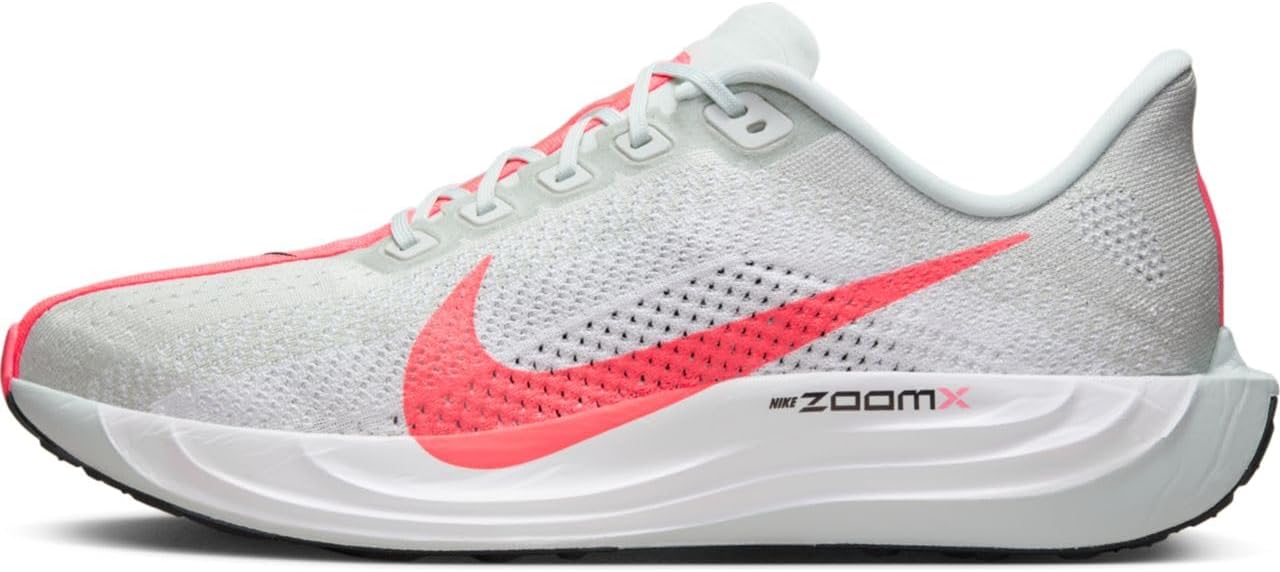
Nike Pegasus Plus Review
Generation update — September 7, 2026: The Pegasus Plus 2 review covers the newer model and its documented changes. This page continues to cover the original exact generation named above; compare fit and source evidence before replacing a shoe that already works for you.
Quick Verdict
The original Nike Pegasus Plus revives the idea behind the Pegasus Turbo: a lighter, more energetic trainer built around full-length ZoomX foam, without a plate. Its flexible forefoot and roughly 35mm independent heel estimate create a more traditional feel than today's tall, rigid super trainers. Independent testers used it for daily miles, progressions, tempo work, and long runs, but disagreed about whether it has enough cushioning for every long-run preference.
Nike has now begun rolling out the Pegasus Plus 2, which adds an exposed forefoot Air Zoom unit and revised geometry. That makes this first Plus a previous-generation option whose case improves with a real discount. TrainingPlan has not hands-on tested it; this review combines Nike's exact-model data with multi-tester and longer-term independent reports.
Key Specifications
| Spec | Verified value |
|---|---|
| Category | Lightweight neutral road trainer |
| Midsole | Full-length ZoomX, no plate |
| Heel-to-Toe Drop | 10mm |
| Weight (Men's/Women's) | 8.6oz / 7.2oz |
| Stack Height | 35mm / 25mm, independent |
| Width Options | Standard |
| MSRP | MSRP: $180 |
| Successor | Pegasus Plus 2 |
Nike provides the weight and 10mm drop but not separate stack heights. Independent estimates vary by roughly a millimeter, with RoadTrailRun and Believe in the Run clustering around 34–35mm at the heel and 24–25mm at the forefoot. That measurement should not be presented as a manufacturer specification.
What Changed
Compared with the standard Pegasus of its generation, the Plus replaces the ReactX-and-Air-Zoom arrangement with full-length ZoomX and uses a striped Flyknit upper. It is lighter, more flexible, and less built-up underfoot. The design nods to the older Pegasus Turbo but is not an exact recreation.
The new Pegasus Plus 2 changes the formula more substantially: Nike's official regional listing describes ZoomX paired with a curved, exposed Air Zoom unit under the forefoot, a redesigned mesh upper, more toe spring, a modified forefoot shape, and a revised Waffle outsole. Runners who specifically value the original's plate-free simplicity should not assume the successor feels identical.
Ride and Intended Use
The original Plus bends through the forefoot instead of relying on a stiff plate and aggressive rocker. RoadTrailRun's testers described a moderately stacked, lively ride that can move from easy running into uptempo work. A separate 100-mile review found it capable across varied sessions, including a demanding long run, while Doctors of Running saw it as a flexible performance trainer with less protection than deeper modern shoes.
Those findings support versatility, not a universal prescription. Lighter runners or people who like road feel may use it for long runs; runners who prefer a broad, tall platform may reserve it for shorter efforts. There is no evidence-based weekly-mileage band or fixed lifespan. Inspect exposed ZoomX, outsole rubber, and changes in ride rather than retiring it at an invented number.
Fit and Sizing
The Flyknit upper is secure and relatively low-volume. Doctors of Running described a tapered forefoot and higher-volume midfoot, while other independent testers found the overall hold snug in a familiar Nike way. The exact-model Nike pages do not list a dedicated wide version.
Most testers stayed true to size, but that does not make sizing universal. Check toe splay, pressure over the top of the midfoot, and heel movement during a faster run. Wide-footed runners and those sensitive to knit compression should prioritize a returnable trial.
What Works Well
- Flexible ZoomX ride: The shoe preserves forefoot movement rather than using a rigid plate.
- Low mass: Nike's official 8.6-ounce men's US 10 weight is notably light for a daily trainer.
- Broad pace range for the right runner: Independent testers used it from easy running through tempo-oriented work.
Tradeoffs
- Snug standard-width upper: The knit and tapered forefoot can restrict wider feet.
- Less cushioning depth than many rivals: Runners accustomed to tall super trainers may find it exposed over distance.
- Previous generation: Plus 2 changes both the propulsion system and fit, so pricing should reflect the older design.
Who Should Consider This Shoe
- Runners who like flexible, unplated trainers with noticeable road feel.
- Athletes wanting one lightweight shoe for daily running and faster sessions.
- Discount shoppers who specifically prefer the simpler first-generation construction.
Who Should Look Elsewhere
- Runners who need a dedicated wide option or generous toe box.
- Anyone wanting a stiff rocker or deep max-cushion platform.
- Buyers paying near-current-model price without comparing the Plus 2.
Cross-Brand Comparison
The Adidas Adizero Evo SL is another unplated super-foam trainer with a roomier, more rockered character. The New Balance FuelCell Rebel v4 is flexible and lightweight with a broader base, while the ASICS Noosa Tri 16 feels firmer and more structured. The Pegasus Plus stands out for full ZoomX and a close Flyknit hold.
Same-Brand Comparison
The Nike Pegasus 41 is heavier and more conventional, with wider availability and a lower launch price. The Nike Zoom Fly 6 adds a carbon plate and more structure. The Nike Vaporfly 3 is a dedicated racer, and the Nike Invincible 3 supplies much more cushioning. The Plus occupies the light, flexible training slot.
Value
At the original MSRP: $180 price, the first Pegasus Plus was expensive for a flexible daily trainer. With Plus 2 arriving, value depends on a substantial discount and a preference for the original's no-Air, no-plate ride. Compare final prices rather than percentage-off labels.
The previous Amazon URL returned only a generic title during the saved listing audit. It has been removed until an exact-model destination can be verified.
Final Verdict
The corrected Pegasus Plus is an 8.6-ounce men's US 10 trainer with a 10mm drop, full-length ZoomX, no plate, no Air unit, and an independently estimated 35/25mm stack. Its strengths are flexibility, low weight, and pace range; its main constraints are fit, cushioning preference, and now previous-generation status.
Choose it if that simple geometry is exactly what you want and the price reflects its age. Otherwise, try the Pegasus Plus 2 and current cross-brand alternatives before deciding.
Key Takeaway
The original Pegasus Plus is a light, flexible ZoomX trainer for runners who value a natural forefoot and secure upper; buy it on fit and discount now that the more structured, Air-equipped Plus 2 is arriving.
Frequently Asked Questions
Does the Nike Pegasus Plus have a carbon plate?
Is the Pegasus Plus available in wide?
Is the Nike Pegasus Plus still current?
References
- https://www.nike.com/t/pegasus-plus-mens-road-running-shoes-GhSwLd/FQ7262-002
- https://www.nike.com/t/pegasus-plus-womens-road-running-shoes-oKT6Z9rd
- https://www.nike.com/mx/t/tenis-de-correr-en-pavimento-para-mujer-nike-pegasus-plus-2-Rf0fzxd0/IM2543-600
- https://www.doctorsofrunning.com/nike-pegasus-plus-review-2024/
- https://www.roadtrailrun.com/2024/08/nike-pegasus-plus-multi-tester-review-4.html
- https://www.roadtrailrun.com/2024/08/nike-pegasus-plus-100-miles-review.html