
Contents
Nike Vaporfly vs ASICS Metaspeed Sky: Which Running Shoe Is Right for You?
Compare the Nike Vaporfly 3 and ASICS Metaspeed Sky Paris, two elite carbon racing shoes. Find which super shoe will help you run your fastest times.

Quick Hits
- •Both are elite carbon-plated racing shoes designed for PRs
- •Vaporfly is lighter (6.6 oz vs 6.5 oz men's) with lower stack
- •Metaspeed Sky has higher stack (44mm heel) for more cushioning
- •Vaporfly costs $260; Metaspeed costs $275
- •Both deliver significant performance benefits for serious racers
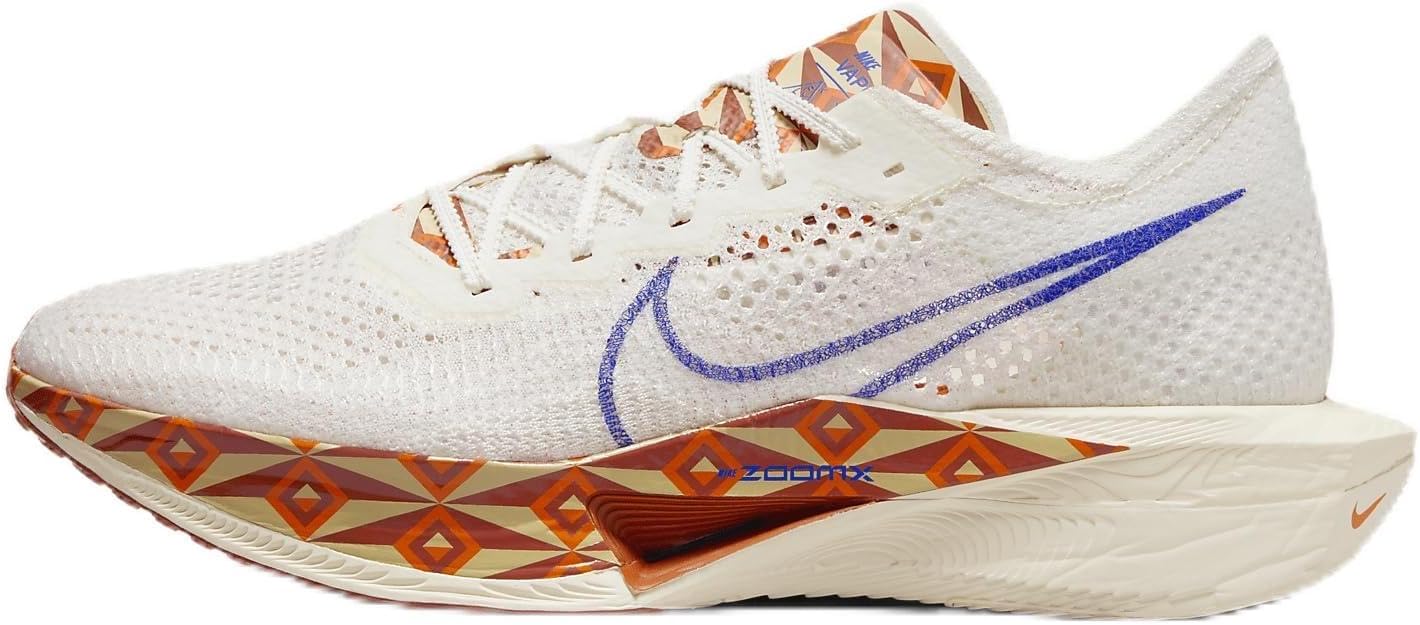
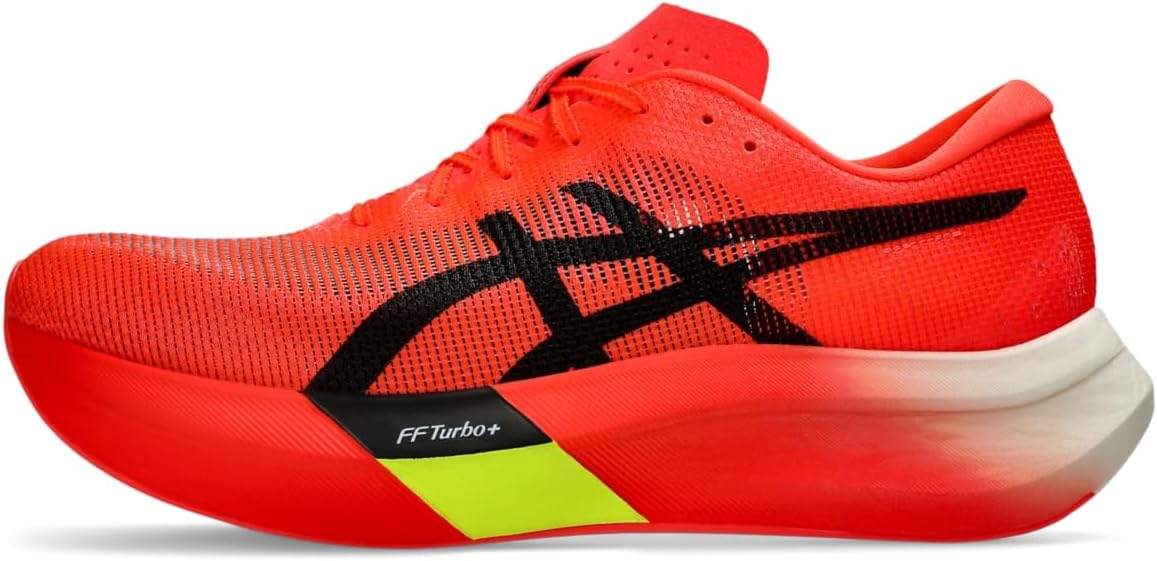
Head-to-head breakdown using our audited shoe database.
The Nike Vaporfly and ASICS Metaspeed Sky represent the pinnacle of racing shoe technology. Both feature carbon plates, super foams, and designs optimized for breaking personal records. Choosing between them comes down to fit, feel, and running style preferences.
Quick Verdict
Choose the Nike Vaporfly 3 if you want the proven super shoe that started the revolution. It's lighter at shorter distances, more widely tested, and slightly cheaper. It works for virtually all running styles and race distances.
Choose the ASICS Metaspeed Sky Paris if you prefer a bit more cushioning, identify as a stride runner, or like ASICS' fit. It offers comparable performance with a slightly different ride character.
Nike Vaporfly 3 Overview
The Vaporfly is the shoe that changed marathon racing forever. The third version continues its dominance with ZoomX foam and a full-length carbon plate designed for maximum energy return.
Key Features:
- ZoomX foam midsole
- Full-length carbon plate
- 8mm heel-to-toe drop
- 6.6 oz (men's) / 5.6 oz (women's)
- 40mm heel / 32mm forefoot stack height
Best For:
- All race distances from 5K to marathon
- Runners seeking proven performance
- Those who prefer a snappier, more responsive feel
- Any running style
Pros:
- Extremely fast
- Lightweight
- Excellent energy return
- Proven race performance
Cons:
- Expensive at MSRP: $260
- Limited durability
- Not for training
ASICS Metaspeed Sky Paris Overview
The Metaspeed Sky Paris is ASICS' elite marathon racer designed specifically for stride runners—those who generate speed through longer ground contact and push-off. It uses FF TURBO PLUS foam and a carbon plate.
Key Features:
- FF TURBO PLUS foam midsole
- Full-length carbon plate
- 5mm heel-to-toe drop
- 6.5 oz (men's) / 5.5 oz (women's)
- 44mm heel / 39mm forefoot stack height
Best For:
- Marathon and half marathon racing
- Stride runners with longer ground contact
- Those who prefer more cushioning in a racer
- Runners who like ASICS fit
Pros:
- Extremely fast
- Great energy return
- More cushioning than Vaporfly
- Excellent for stride runners
Cons:
- Very expensive at MSRP: $275
- Limited durability
- Specific running style optimization
Head-to-Head Comparison
Performance
Both shoes deliver exceptional racing performance—you won't go wrong with either. The Vaporfly feels snappier and more immediately responsive, which many runners prefer for shorter distances. The Metaspeed Sky's higher stack and additional cushioning can feel better over marathon distances.
Studies show both improve running economy by similar margins. The difference is feel, not measurable performance.
Winner: Tie — Both are elite racing tools.
Weight
The Vaporfly weighs 6.6 oz for men and 5.6 oz for women. The Metaspeed Sky comes in at 6.5 oz for men and 5.5 oz for women. These are essentially identical—differences too small to notice.
Winner: Tie — Negligible difference.
Cushioning
The Metaspeed Sky has more foam—44mm at the heel versus 40mm for the Vaporfly. This translates to slightly more cushioning and impact protection, particularly noticeable in the later miles of a marathon.
The Vaporfly's ZoomX foam is softer and bouncier, while the Metaspeed Sky's FF TURBO PLUS feels firmer but returns energy efficiently. Both protect well; they just do it differently.
Winner: ASICS Metaspeed Sky — Higher stack, more cushioning.
Responsiveness
The Vaporfly has a snappier feel that many runners prefer for quick turnover. Its lower stack height creates a more connected-to-ground sensation while still providing the carbon plate propulsion.
The Metaspeed Sky's higher stack adds a millisecond of delay in energy return, which stride runners often prefer—it matches their longer ground contact time. Cadence runners may find it slightly less responsive.
Winner: Nike Vaporfly — Snappier response for most running styles.
Price/Value
The Vaporfly costs MSRP: $260; the Metaspeed Sky costs MSRP: $275. Both are expensive and neither is a good "value" in traditional terms—these are specialized tools for competitive racing.
The Vaporfly's lower price and broader suitability make it the marginally better value for most runners.
Winner: Nike Vaporfly — MSRP: $15 cheaper, equally effective.
Fit
The Vaporfly has a narrower, more precise fit that some love and others find restrictive. It only comes in standard width.
The Metaspeed Sky also only offers standard width but tends to feel slightly more accommodating. Neither shoe is ideal for wide feet.
Winner: ASICS Metaspeed Sky — Slightly more accommodating fit.
Comparison Table
| Feature | Nike Vaporfly 3 | ASICS Metaspeed Sky Paris |
|---|---|---|
| Price | MSRP: $260 | MSRP: $275 |
| Weight (men's) | 6.6 oz | 6.5 oz |
| Weight (women's) | 5.6 oz | 5.5 oz |
| Heel-to-toe drop | 8mm | 5mm |
| Stack height (heel) | 40mm | 44mm |
| Stack height (forefoot) | 32mm | 39mm |
| Cushion level | High | High |
| Plate | Carbon fiber | Carbon fiber |
| Best for | All distances | Half/full marathon |
| Durability | Low | Low |
| Running style | Universal | Stride runners |
Choose the Nike Vaporfly If...
- You want the proven super shoe with the longest track record
- You race distances from 5K to marathon
- You prefer a snappier, more responsive feel underfoot
- You're a cadence runner or unsure of your running style
- You want to save MSRP: $15 compared to the Metaspeed
- You prefer a more connected-to-ground sensation
Choose the ASICS Metaspeed Sky If...
- You primarily race half marathons and marathons
- You identify as a stride runner with longer ground contact
- You prefer more cushioning in your racing shoes
- You like ASICS fit and sizing
- You want the highest stack height allowed in racing
- You've found the Vaporfly too narrow or firm
Final Verdict
The Nike Vaporfly and ASICS Metaspeed Sky are both exceptional racing shoes that will help you run faster. The performance difference between them is minimal—both deliver the 3-4% economy improvement that defines super shoes.
The Vaporfly is the better choice for most runners because it's proven, versatile, and works for all running styles. It's been tested in more world records and major marathons than any other shoe. If you're investing in a super shoe and don't have strong preferences, the Vaporfly is the safe bet.
The Metaspeed Sky is the better choice for stride runners who generate speed through push-off rather than quick turnover. It's also worth considering if you've found the Vaporfly uncomfortable or want slightly more cushioning for marathon distances.
Both shoes will help you race faster. The best choice is the one that fits your foot and running style—and the only way to know for sure is to try them. If you can only pick one, the Vaporfly's broader applicability makes it the default recommendation.
Looking for more detailed information? Check out our individual reviews: Nike Vaporfly 3 Review and ASICS Metaspeed Sky Paris Review.
Key Takeaway
Choose the Nike Vaporfly 3 for a proven, versatile super shoe that works across all race distances. Pick the ASICS Metaspeed Sky Paris for slightly more cushioning and if you identify as a stride runner. Both deliver elite performance.
Frequently Asked Questions
Which super shoe is faster?
Are these shoes worth the price?
How many miles do super shoes last?
Should I train in super shoes?
Which is better for stride runners vs cadence runners?
References
- Nike product specifications
- ASICS product specifications
- Racing shoe research