
Contents
Adidas Hyperboost Edge Review: A Bouncy Max-Cushion Super Trainer
The Adidas Hyperboost Edge combines a 44mm heel with a surprisingly light build. See its energetic ride, upper tradeoffs, fit, and value.

Quick Hits
- •The 44/38mm platform delivers maximum cushioning with a moderate 6mm drop and an 8.7-ounce men's catalog weight.
- •Independent testing supports daily, long, and uptempo use, but not crisp short-race performance.
- •The stiff, warm upper and high collar caused discomfort for a Tom's Guide tester despite a strong midsole and outsole.
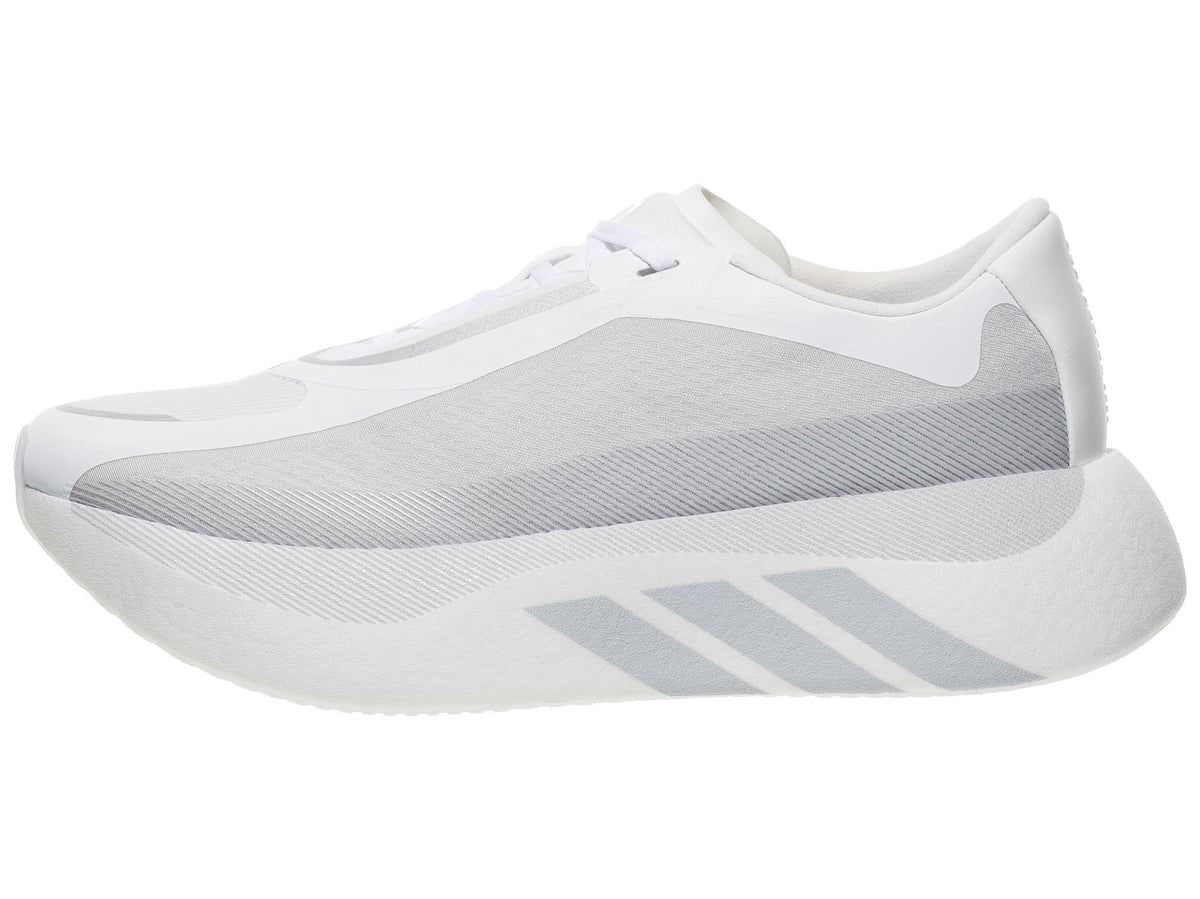
Adidas Hyperboost Edge Review
Disclosure: As an Amazon Associate, we earn from qualifying purchases. This helps support TrainingPlan at no extra cost to you.
Affiliate link - we may earn a commission
Quick Verdict
The Adidas Hyperboost Edge is a maximum-cushion road trainer designed to feel more energetic than a conventional easy-day shoe. Its 44/38mm stack, 6mm drop, and 8.7-ounce men's catalog weight form an unusual combination: very tall cushioning without the weight commonly associated with the category.
RTINGS rated the shoe strongly for daily training and long runs, while describing the soft forefoot and unplated construction as less suitable for crisp 5K or 10K racing. Tom's Guide praised the midsole and outsole after 40 miles but found the stiff collar and warm upper uncomfortable. Our conclusion is similarly split: excellent platform, risky upper. Compare it with the broader best cushioned shoes.
Key Specifications
| Spec | Value |
|---|---|
| Category | Daily trainer, long run |
| Cushion Level | Maximum |
| Heel-to-Toe Drop | 6mm |
| Weight (Men's/Women's) | 8.7oz / 7.9oz |
| Stack Height | 44mm heel / 38mm forefoot |
| Pronation Support | Neutral |
| Width Options | Standard, Wide |
| MSRP | MSRP: $200 |
| Surface | Road |
What Changed
Hyperboost is a new high-energy cushioning direction rather than a numbered update to Ultraboost. Adidas uses Hyperboost Pro foam in a towering road platform and pairs it with a Primeweave upper. The result aims to combine super-trainer range with everyday comfort.
Independent coverage confirms that the concept works better underfoot than above it. RTINGS found enough energy for uptempo work but not a sharply snappy forefoot, while Tom's Guide called the midsole bouncy and versatile yet criticized the overlay-heavy upper. The distinction matters: this is not simply “Boost, but taller,” and the whole shoe should not be judged from the foam alone.
Ride and Intended Use
The catalog assigns daily and long-run roles. RTINGS's testing supports both, with lower marks for short racing than for long runs or daily training. The 6mm drop and high forefoot stack create substantial cushioning through the entire platform rather than concentrating it at the heel.
That package should work best for easy-to-steady mileage, long progressions, and controlled uptempo sessions. It is less compelling for sharp intervals, track turns, or runners who want a flexible grounded feel. Our best long-run shoes guide offers more conventional choices, and best lightweight shoes covers faster low-bulk alternatives.
Fit and Sizing
Tom's Guide found the length appropriate in the tester's normal running size, but the rigid, high collar dug into the ankle when the foot rolled against it. The same review found limited breathability because of the overlays. These observations are individual, yet sufficiently specific to make in-person testing important.
Start at your normal Adidas length and choose between standard and wide based on forefoot volume. Then walk, jog, and lean laterally to check collar contact rather than assessing fit while standing still. Socks may alter the sensation but should not be used to excuse obvious rubbing. Warm-climate runners should also account for the upper's limited airflow.
What Works Well
- High stack at low weight: The 44mm heel and 8.7-ounce men's listing distinguish it from bulky max-cushion trainers.
- Broad training range: Independent testing supports daily, long, and moderate uptempo efforts.
- Two width choices: Standard and wide sizing improve access to the platform.
Tradeoffs
- Problematic collar for some feet: A stiff, high edge can undermine an otherwise strong ride.
- Warm construction: Overlay-heavy Primeweave may be uncomfortable in hot weather.
- Not sharply race-oriented: The unplated, soft forefoot lacks the crispness some runners want for short events.
Who Should Consider This Shoe
- Neutral runners wanting maximum cushioning without a heavy catalog weight.
- Athletes seeking one premium shoe for daily mileage and long-run workouts.
- Runners who enjoy tall, energetic platforms and can verify comfortable collar contact.
Who Should Look Elsewhere
- Anyone sensitive to firm heel collars or warm uppers.
- Runners prioritizing 5K/10K racing and abrupt interval pace.
- Athletes who prefer low-stack flexibility or need a lower MSRP.
Cross-Brand Comparison
The New Balance 1080v15 is a premium cushioned daily trainer with more width choices, while the ASICS Novablast 6 provides another lively road-training reference. The Hyperboost Edge differentiates itself through maximum stack and low listed weight. Its upper, rather than its ride, is the decisive comparison point.
Same-Brand Comparison
The Supernova Rise 3 is the less expensive, more conventional Adidas daily trainer. The Adizero Boston 12 is better aligned with structured speedwork, and the Adizero SL2 offers a lighter-feeling traditional alternative. Choose Hyperboost Edge when maximum cushioning and long-run energy justify the premium.
Value
At MSRP: $200, this is firmly a premium trainer. The value is defensible if it replaces both a max-cushion easy shoe and a long-run workout shoe, but only when the upper fits comfortably. A discounted rival is not automatically better, yet a painful collar makes the midsole's sophistication irrelevant. Fit testing is part of the value calculation here.
Final Verdict
The Adidas Hyperboost Edge demonstrates that a 44mm heel need not create a ponderous ride. Current specifications and independent testing support a light, bouncy platform for daily, long, and selected faster runs. The upper keeps the recommendation conditional: its rigidity, warmth, and collar shape caused a credible tester discomfort. If that interface works for your foot, the Edge is a versatile premium trainer; if not, move on.
Disclosure: As an Amazon Associate, we earn from qualifying purchases. This helps support TrainingPlan at no extra cost to you.
Affiliate link - we may earn a commission
Key Takeaway
The Hyperboost Edge offers an unusually light, energetic maximum-stack ride, but its rigid, warm upper is a meaningful fit risk at a premium $200 MSRP.
Frequently Asked Questions
Who is the Adidas Hyperboost Edge best for?
How does the Adidas Hyperboost Edge fit?
Is the Adidas Hyperboost Edge a racing shoe?
References
- https://www.adidas.com/us/hyperboost-edge-running-shoes/KK0289.html
- https://www.runningwarehouse.com/reviews/adidas-shoe-reviews/adidas-hyperboost-edge.html
- https://www.rtings.com/running-shoes/reviews/adidas/hyperboost-edge
- https://www.tomsguide.com/wellness/running/adidas-hyperboost-edge-review