
Contents
ASICS Magic Speed 5 Review: A Leaner, Snappier Plated Trainer
The ASICS Magic Speed 5 is a lighter, lower plated trainer for intervals and shorter races. See its ride, fit, specifications, and limits.

Quick Hits
- •The Magic Speed 5 uses a carbon plate and a 36/29mm catalog stack to create a direct, speed-first ride.
- •RTINGS measured stronger rebound in the forefoot than the heel and found the shoe better suited to faster work.
- •True-to-size independent measurements are encouraging, but the standard-only platform is not especially broad.
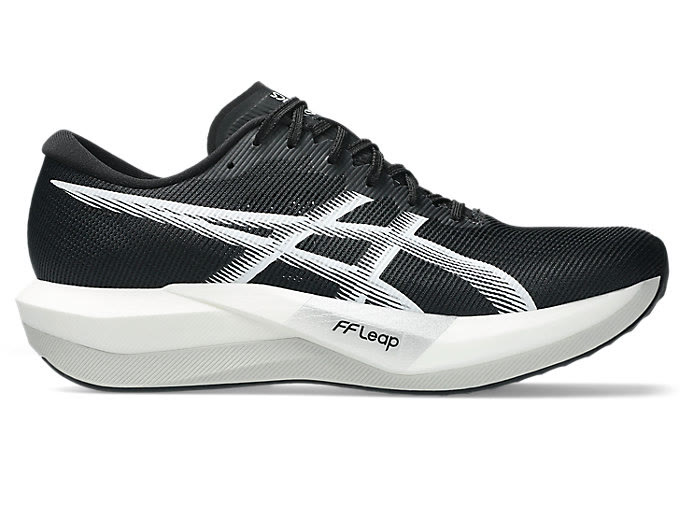
ASICS Magic Speed 5 Review
Disclosure: As an Amazon Associate, we earn from qualifying purchases. This helps support TrainingPlan at no extra cost to you.
Affiliate link - we may earn a commission
Quick Verdict
The ASICS Magic Speed 5 is a neutral road shoe built for speed sessions and racing. Its 36/29mm catalog stack, 7mm drop, carbon plate, and 7.1-ounce catalog weight place it below the towering super-trainer trend. The practical result is a more direct design for runners who want quick turnover instead of a deeply cushioned ride.
ASICS presents the shoe as a fast training and racing option. RTINGS gives that positioning useful boundaries: its lab found a firmer, snappier forefoot, moderate heel rebound, and good responsiveness at faster paces, but less protection for extended long runs. That makes the Magic Speed 5 especially relevant to intervals, tempo work, and 5K or 10K racing. It can cover longer races for the right runner, but it is not the default choice for anyone prioritizing comfort over directness. See our best 5K racing shoes for the broader category.
Key Specifications
| Spec | Value |
|---|---|
| Category | Speed, Racing |
| Cushion Level | High |
| Heel-to-Toe Drop | 7mm |
| Weight (Men's/Women's) | 7.1oz / 7.1oz |
| Stack Height | 36mm heel / 29mm forefoot |
| Pronation Support | Neutral |
| Width Options | Standard |
| MSRP | MSRP: $180 |
| Surface | Road |
What Changed
The fifth Magic Speed moves toward a leaner, lower profile than the Magic Speed 4. RTINGS measured 35.9mm at the heel and 29mm at the forefoot, closely matching TrainingPlan's standardized 36/29mm catalog values, and described the new shoe as lighter and more direct than its predecessor. The layered midsole combines FF LEAP above FF BLAST PLUS with a carbon plate.
That change narrows the shoe's job rather than simply making every attribute better. The fourth version offered more buffer for longer workouts. The fifth places more emphasis on agility, ground feel, and a decisive toe-off. Runners choosing between generations should decide whether they value added protection or a sharper workout tool.
Ride and Intended Use
RTINGS measured 78.3% forefoot energy return and 76.2% at the heel. Those laboratory results do not predict a race result, but they help explain the reported ride: the forefoot feels more active, while the heel is comparatively subdued. The plate, rocker, and firmer front of the shoe contribute more to the sensation than an ultra-soft foam does.
The clearest uses are intervals, structured tempo runs, and shorter races. The ride should also work for runners who prefer a compact plated shoe at half-marathon pace. RTINGS found the forefoot cushioning less protective over long-run testing than higher-stacked alternatives, so marathon use depends on the athlete's comfort with a firmer platform. Our best half-marathon shoes guide includes more protective choices.
Fit and Sizing
RTINGS found the Magic Speed 5 true to size in length, with arch and forefoot dimensions close to its standard baseline. The audited catalog lists standard width only. That combination should give average-width runners a reasonable starting point, but it does not make the shoe a wide-foot option.
Start with your usual ASICS running size, then verify toe clearance and lateral security at workout pace. The narrow performance platform matters independently of upper volume: a runner can have enough room inside the shoe while still preferring a broader base underfoot.
What Works Well
- Low weight: The 7.1-ounce catalog figure supports fast turnover without the bulk of many plated trainers.
- Direct forefoot: Independent measurements and ride observations converge on a crisp, plate-assisted toe-off.
- Clear role: The design is easy to place in a rotation as the workout and shorter-race shoe.
Tradeoffs
- Limited long-run buffer: RTINGS found less sustained forefoot protection than in higher-stacked models.
- Standard width only: The fit evidence is true to size, but there is no audited wide option.
- Not an easy-day shoe: The firm forefoot and stiff plate can feel excessive when pace is not the priority.
Who Should Consider This Shoe
- Neutral runners seeking one shoe for intervals, tempo runs, and shorter road races.
- Athletes who prefer a firm, direct plated sensation over soft trampoline-like cushioning.
- ASICS users who found the Magic Speed 4 more protective than necessary.
Who Should Look Elsewhere
- Runners wanting a plush trainer for most weekly mileage.
- Athletes who need a wide platform or multiple official width choices.
- Marathoners prioritizing deep cushioning should compare the ASICS Superblast 3.
Cross-Brand Comparison
The Nike Zoom Fly 6 offers a heavier, more training-oriented plated package. The Saucony Endorphin Speed 4 is another workout-first option, but its nylon plate and broader training brief distinguish it from the carbon-plated Magic Speed. Racers considering a flagship shoe should also compare the Nike Vaporfly 3, which is priced and tuned for a more specialized race-day role.
Same-Brand Comparison
Choose the Magic Speed 5 over the Magic Speed 4 when lower weight, quicker turnover, and shorter fast efforts matter most. The Metaspeed Edge Tokyo sits higher in ASICS' racing range and targets runners willing to pay more for a flagship construction. The Magic Speed remains the more attainable plated bridge between training and racing.
Value
At its MSRP: $180 catalog MSRP, the Magic Speed 5 is expensive for a single-purpose trainer but costs less than most elite carbon racers. Its value depends on frequency: a runner who completes weekly speed sessions and races several shorter events can use its strengths often. A runner who wants one shoe for easy runs, long runs, and occasional workouts will receive less utility from the firm, focused design.
The price also makes the predecessor relevant. If the Magic Speed 4 is already working well, the v5's reduced stack and sharper purpose are reasons to switch only when they solve a specific need.
Final Verdict
The ASICS Magic Speed 5 finally makes its name literal: it is light, direct, and designed around faster running. Its carbon plate and active forefoot support intervals and shorter races, while true-to-size independent measurements reduce fit uncertainty for average-width feet. The compromise is equally clear. Long-run cushioning, broad-platform stability, and easy-day comfort are secondary. For runners who want that focused division of labor, the Magic Speed 5 is a credible MSRP: $180 workout-and-race tool.
Disclosure: As an Amazon Associate, we earn from qualifying purchases. This helps support TrainingPlan at no extra cost to you.
Affiliate link - we may earn a commission
Key Takeaway
The Magic Speed 5 is a focused plated trainer with low weight and a crisp forefoot, but its firmer, narrower design is less convincing for easy or extended mileage.
Frequently Asked Questions
Who is the ASICS Magic Speed 5 best for?
How does the ASICS Magic Speed 5 fit?
Is the ASICS Magic Speed 5 worth its $180 MSRP?
References
- https://www.asics.com/us/en-us/magic-speed-5/p/ANA_1013A183-001.html
- https://www.rtings.com/running-shoes/reviews/asics/magic-speed-5-carbon-fiber
- https://www.solereview.com/release-date-calendar-for-running-shoes/