
Contents
ASICS Superblast 3 Review: Premium Foam for Long, Fast Days
The ASICS Superblast 3 combines FF LEAP and FF BLAST PLUS in a light, plate-free max-stack trainer built for daily, long, and faster running.

Quick Hits
- •FF LEAP replaces the Superblast 2's FF TURBO PLUS as the main upper midsole foam.
- •A 46/38mm stack and 8.1oz catalog weight define an unusually light max-stack platform.
- •The $210 MSRP and standard-only width are the clearest limits on an otherwise broad training role.
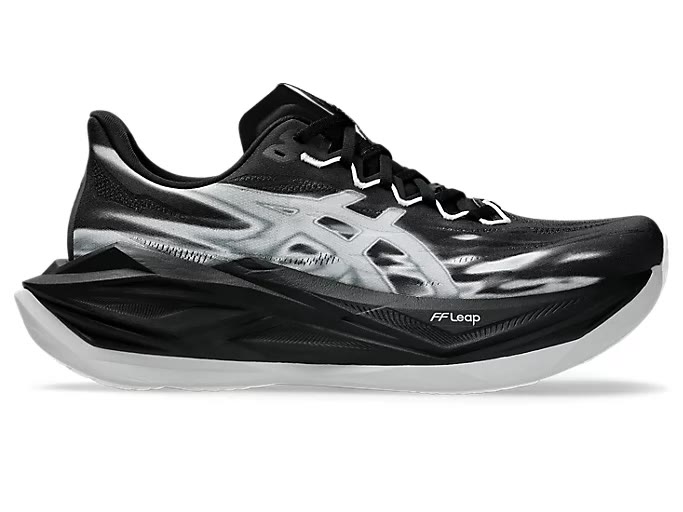
ASICS Superblast 3 Review
Disclosure: As an Amazon Associate, we earn from qualifying purchases. This helps support TrainingPlan at no extra cost to you.
Affiliate link - we may earn a commission
This review uses ASICS product claims, TrainingPlan's audited catalog, and published independent testing. It does not imply that TrainingPlan conducted a hands-on test.
Quick Verdict
The ASICS Superblast 3 is a max-stack road trainer for runners who want cushioning and pace range without a plate. The catalog combines a 46mm heel, 38mm forefoot, and 8mm drop with an 8.1oz standardized weight. That weight-to-stack relationship is the center of the shoe's appeal.
ASICS says the new FF LEAP foam provides a lighter, bouncier feel influenced by its METASPEED racing line. Tom's Guide testers also found the updated shoe comfortable and energetic. The careful conclusion is not that it produces a race-shoe benefit, but that it covers daily, speed, and long-run categories within a plate-free design. The MSRP: $210 price is the material downside.
Key Specifications
| Spec | Value |
|---|---|
| Category | Daily Trainer, Speed, Long Run |
| Cushion Level | Maximum |
| Heel-to-Toe Drop | 8mm |
| Weight (Men's/Women's) | 8.1oz / 8.1oz |
| Stack Height | 46mm heel / 38mm forefoot |
| Pronation Support | Neutral |
| Width Options | Standard |
| MSRP | MSRP: $210 |
| Surface | Road |
The catalog uses standardized unisex weight values. ASICS lists 8.4oz for its product size, while a Tom's Guide men's US size 10 sample weighed 8.6oz. Those numbers are not directly interchangeable.
What Changed
The biggest change from the Superblast 2 is the upper midsole foam. FF LEAP replaces FF TURBO PLUS, with a lower layer of FF BLAST PLUS retained to add structure beneath the softer top material. ASICS also uses a new trampoline-shaped outsole pod intended to energize toe-off.
Tom's Guide reports that the stack increased by roughly 1.5mm while the 8mm drop stayed the same, and its sample was slightly lighter than the preceding version. That combination represents a meaningful redesign: more foam does not automatically mean more weight. The independent reviewers describe FF LEAP as softer and bouncier than the foam it replaces, broadly aligning with the manufacturer's positioning.
Ride and Intended Use
The Superblast 3 is neither cataloged nor presented here as a racing shoe. It is a performance trainer with a tall, plate-free construction. FF LEAP supplies the softer, more energetic upper layer, while FF BLAST PLUS provides a firmer base. Editorially, the two-layer design explains how ASICS can target bounce without leaving the platform entirely unstructured.
Its best use is varied road training: ordinary aerobic mileage, longer progression runs, steady efforts, and controlled tempo sessions. Independent testing supports that range, and the low weight should make the large stack less cumbersome than its geometry suggests. Runners who want a dedicated race tool should still look to a model explicitly built and cataloged for racing, such as the ASICS Metaspeed Sky Tokyo.
The high platform also limits ground feel. That is not a defect for runners shopping for a max-stack trainer, but it matters on tight turns or for anyone who prefers direct road feedback. Neutral pronation support likewise means the shoe is not a substitute for a stability model.
Fit and Sizing
Both Tom's Guide testers reported a true-to-size fit in the same sizes they use elsewhere in the ASICS range. One tester with high arches could tighten the laces enough for a secure hold without reporting top-of-foot discomfort. The engineered woven upper includes collar padding and more open forefoot sections.
That sample evidence is encouraging but not universal. The catalog records standard width only, which is a meaningful constraint at this price. Runners who normally use wide shoes should try the Superblast 3 rather than assuming the upper will stretch to compensate.
What Works Well
- Exceptional stack-to-weight ratio: A 46mm heel paired with an 8.1oz catalog weight is unusual among maximum-cushion trainers.
- Broad road-training role: Daily, speed, and long-run categories are supported by the dual-foam construction and independent observations.
- Plate-free flexibility: The shoe seeks performance through foam and geometry instead of a rigid plate.
- Meaningful generational update: FF LEAP changes the primary ride material rather than merely refreshing the upper.
Tradeoffs
- Premium MSRP: MSRP: $210 is expensive even for a high-spec trainer.
- One cataloged width: Standard-only availability excludes some runners before ride preference is considered.
- Limited ground feel: The 46/38mm geometry is deliberately substantial.
- Not a racer: Its speed category should not be confused with a dedicated competition design.
Who Should Consider This Shoe
- Neutral runners who want a premium one-shoe training rotation.
- Marathon trainees combining long runs and faster steady sessions.
- Superblast 2 users interested in a softer, lighter primary foam.
- Runners browsing our best long-run shoes guide who value lower weight.
Who Should Look Elsewhere
- Runners who require wide or extra-wide sizing.
- Shoppers seeking a budget-oriented daily trainer.
- Athletes who want a plated race shoe.
- Runners who prefer low-stack flexibility and ground feel.
Cross-Brand Comparison
The Nike Pegasus 42 is much less expensive and more traditional, but it carries more catalog weight and less performance range. The HOKA Clifton 11 is a comfort-led max-cushion alternative with broader width availability. The Superblast is the choice among those three when low weight and faster long-run potential matter more than price.
Same-Brand Comparison
The Novablast 6 also covers daily, speed, and long-run categories for MSRP: $55 less. It has a lower stack and uses a small FF TURBO SQUARED forefoot insert rather than the Superblast's large FF LEAP layer. The Gel-Nimbus 28 shifts the emphasis toward recovery and protected easy mileage. The ASICS Megablast is another premium performance reference point.
Value
The Superblast 3's value depends on consolidation. If one shoe handles daily mileage, long runs, and non-race workouts, MSRP: $210 may cost less than maintaining two specialized trainers. If a runner already has a rotation or wants only an easy-day shoe, much of the Superblast's capability becomes an unused premium. Fit risk also matters more at this price because there is no cataloged wide option.
Final Verdict
The Superblast 3 earns its place as a premium trainer through a real foam update, not just more stack. FF LEAP, an FF BLAST PLUS base, and a low standardized weight create a credible platform for long and faster training without a plate.
Its boundaries are equally clear: standard width only, little ground feel, no racing category, and a MSRP: $210 MSRP. Runners who can use all three of its training roles may find the price rational. Everyone else should compare the Novablast 6 before paying for capability they do not need.
Disclosure: As an Amazon Associate, we earn from qualifying purchases.
Affiliate link - we may earn a commission
Key Takeaway
The Superblast 3 is a light, max-stack, plate-free trainer with enough range for daily and faster long runs, but its premium price and single width demand a clear fit and use-case match.
Frequently Asked Questions
Who is the ASICS Superblast 3 best for?
How does the ASICS Superblast 3 fit?
Is the ASICS Superblast 3 worth its MSRP?
References
- https://www.asics.com/us/en-us/superblast-3/p/ANA_1013A177-001.html
- https://www.tomsguide.com/wellness/running/asics-superblast-3-review