
Contents
ASICS Novablast vs Saucony Triumph: Which Cushioned Trainer Wins?
Compare the current ASICS Novablast 6 and Saucony Triumph 24 on cushioning, weight, fit, long-run comfort, and everyday versatility.

Quick Hits
- •The Novablast 6 is lighter, lower-drop, and cataloged for speed as well as daily and long runs.
- •The Triumph 24 uses a roomier upper and traditional 10mm-drop geometry for daily and long-run comfort.
- •Both have maximum cushioning and wide options; ride preference matters more than stack height alone.
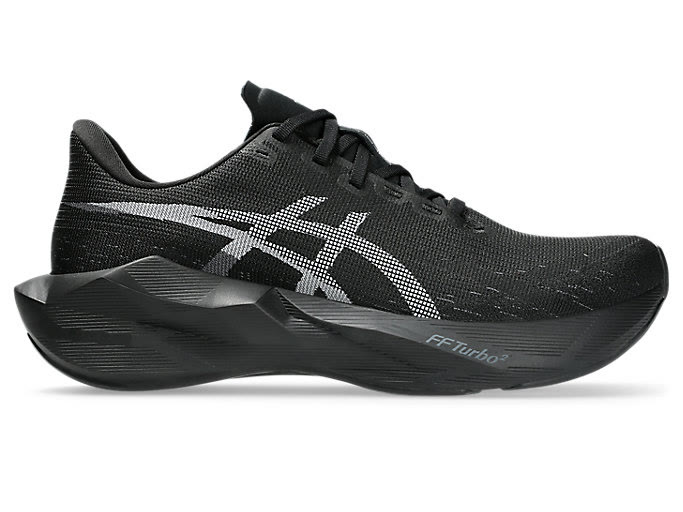
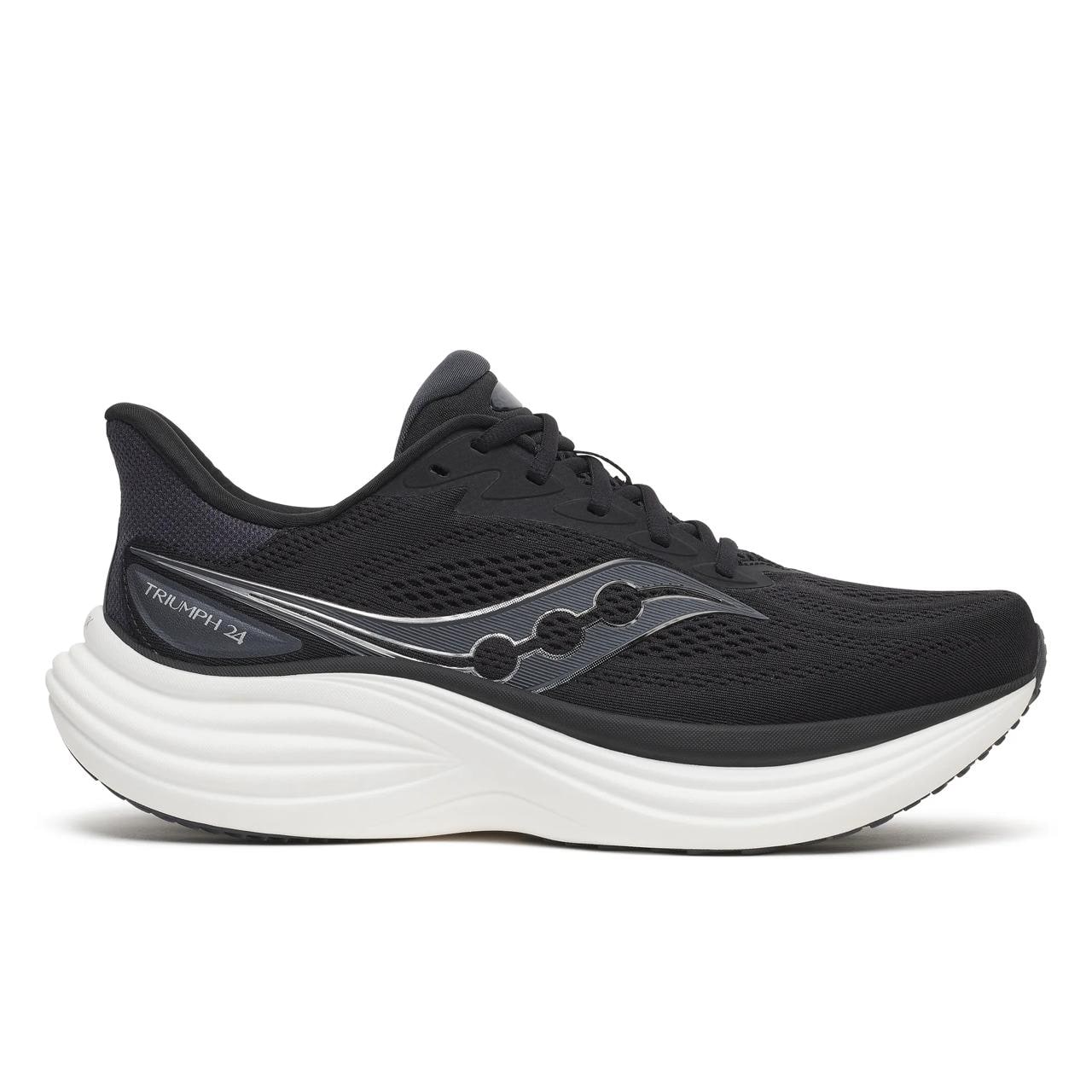
Head-to-head breakdown using our audited shoe database.
ASICS Novablast vs Saucony Triumph
Quick Verdict
The current comparison is ASICS Novablast 6 versus Saucony Triumph 24. Both are neutral, maximum-cushion road trainers with 42mm heels, wide sizing, and long-run roles. Their differences are subtler than the old “bouncy versus plush” shorthand suggests.
Choose the ASICS Novablast 6 when you want an 8mm drop, lower MSRP, and a daily trainer that is also cataloged for speed. Choose the Saucony Triumph 24 when a roomier fit, traditional 10mm drop, and smooth easy-to-long-run focus matter more. Neither is universally better.
Specification Comparison
| Specification | ASICS Novablast 6 | Saucony Triumph 24 |
|---|---|---|
| Categories | Daily, speed, long run | Daily, long run |
| Cushion | Maximum | Maximum |
| Drop | 8mm | 10mm |
| Weight (men/women) | 8.8oz / 7.6oz | 8.6oz / 7.4oz |
| Stack | 42mm / 34mm | 42mm / 32mm |
| Support | Neutral | Neutral |
| Widths | Standard, Wide | Standard, Wide |
| MSRP | MSRP: $155 | MSRP: $170 |
Key Differences
The Novablast 6 uses FF BLAST MAX with an FF TURBO SQUARED forefoot insert, plus ASICSGRIP at the forefoot. Tom's Guide found the sixth version more performance-oriented and the outsole improvement meaningful. That combination gives it the broader easy-to-tempo identity.
The Triumph 24 uses IncrediLUX foam and a 10mm offset. RoadTrailRun's testers described a lighter, lively update with a roomy true-to-size upper and gentle rocker. One tester raised wet-concrete and stone grip concerns, so it would be wrong to promise superior traction or all-weather confidence.
Weight does not decide this matchup: the Triumph is only 0.2 ounces lighter in each catalog reference. Geometry, fit, and preferred transition are more useful.
Fit and Sizing
Both shoes come in standard and wide. Published Novablast testing supports a conventional performance-trainer fit, while Triumph reviewers found the upper roomy and true to size. Start with normal running-shoe length in either model, then compare midfoot hold and toe volume directly.
The Triumph is the better first try for a runner who consistently wants more room. A runner who prefers a more performance-oriented hold may favor the Novablast. Width labels do not guarantee identical internal shapes.
Ride and Best Uses
The Novablast covers easy runs, steady daily mileage, long outings, and selected tempo work. Its lighter build and forefoot insert give it a clearer workout role, though it remains a trainer rather than a dedicated racer. See our best lightweight running shoes for more specialized speed options.
The Triumph is strongest for daily and long runs where smooth cushioning and a familiar 10mm drop are priorities. It is now much lighter than the Triumph 22, so describing the line as inherently heavy is outdated. Our best long-run shoes places both roles in a broader rotation.
Who Should Choose the ASICS Novablast 6
- Runners wanting one cushioned shoe across easy, steady, and faster training.
- Athletes who prefer an 8mm drop and more forefoot performance intent.
- Buyers who value the MSRP: $15 lower catalog MSRP.
Who Should Choose the Saucony Triumph 24
- Runners preferring a roomy upper and 10mm drop.
- Athletes whose priority is smooth daily and long-run mileage.
- Saucony runners who want a lighter modern update without moving to the Endorphin line.
Tradeoffs
The Novablast's energetic identity can be more shoe than needed for runners seeking a calm recovery cruiser. The Triumph costs more, lacks a cataloged speed role, and has mixed independent wet-grip feedback. Neither provides stability support.
For other neutral options, compare our best cushioned running shoes and best daily trainers.
Value and Rotation Context
Novablast has the stronger one-shoe-rotation case because its catalog spans speed, daily, and long runs. A runner can pair it with a dedicated racer and cover most training. Triumph makes more sense as the comfort anchor in a rotation that already includes a faster workout shoe.
The MSRP: $15 MSRP difference is modest, so buying solely on price would be shortsighted. Novablast provides more pace range for less; Triumph provides a roomier, traditional platform. Neither price establishes current retailer availability, and neither shoe needs a second easy-day model unless the runner wants a distinctly different ride.
Final Verdict
The ASICS Novablast 6 is the better all-pace trainer, while the Saucony Triumph 24 is the better roomy, traditional max-cushion cruiser. Both have become lighter and more versatile, so the decision should rest on fit, drop, and whether speed range or long-run simplicity matters more.
Key Takeaway
Choose the Novablast 6 for broader pace range and a more performance-oriented forefoot; choose the Triumph 24 for a roomy, traditional 10mm-drop max-cushion trainer.
Frequently Asked Questions
Which is better for long runs, the Novablast 6 or Triumph 24?
Which shoe is lighter?
Which is better for faster running?
References
- https://www.asics.com/jp/ja-jp/novablast-6/p/1011C243-002.html
- https://www.tomsguide.com/wellness/running/asics-novablast-6-review
- https://www.saucony.com/en/triumph-24/61229M.html
- https://www.roadtrailrun.com/2026/05/saucony-triumph-24-multi-tester-review.html?m=1