
Contents
Best Running Shoes for IT Band Syndrome: 2026 Comfort Guide
Compare current running shoes by fit, cushioning, and support preference when lateral knee pain makes comfortable training footwear important.

Quick Hits
- •No shoe resolves IT band syndrome; lateral knee pain needs an accurate diagnosis and load-management plan.
- •Stability features should be treated as a support preference, not an IT-band correction.
- •New, persistent, or worsening lateral knee pain warrants qualified clinical evaluation.
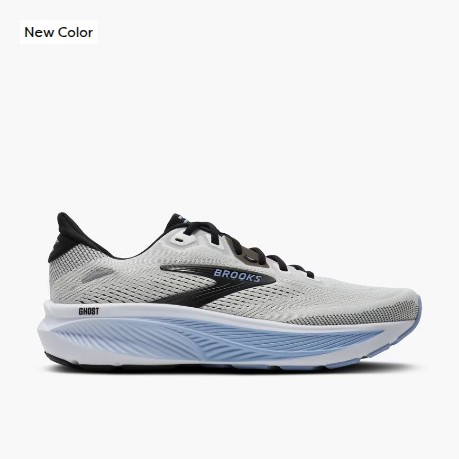
Top pick
Brooks Ghost 18
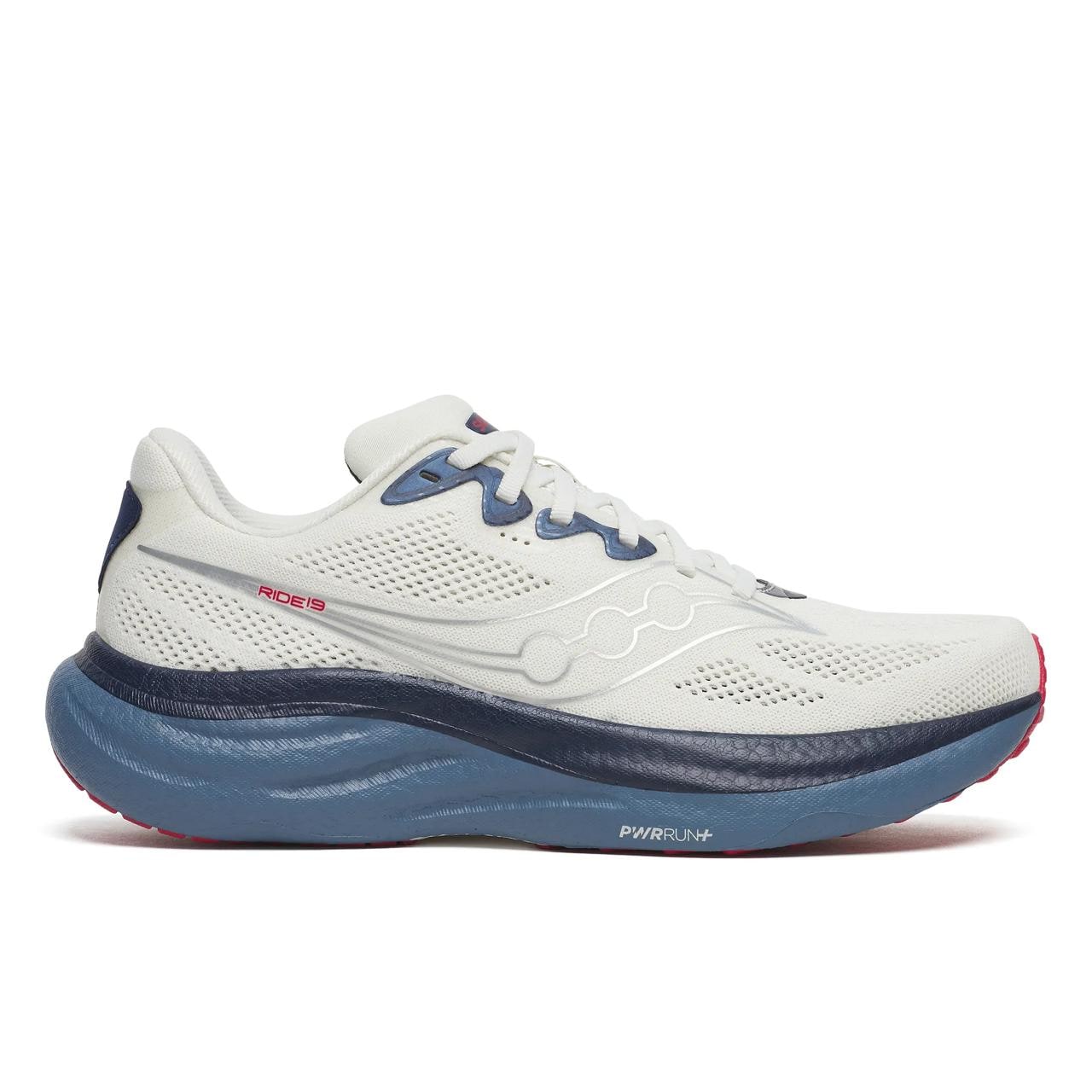
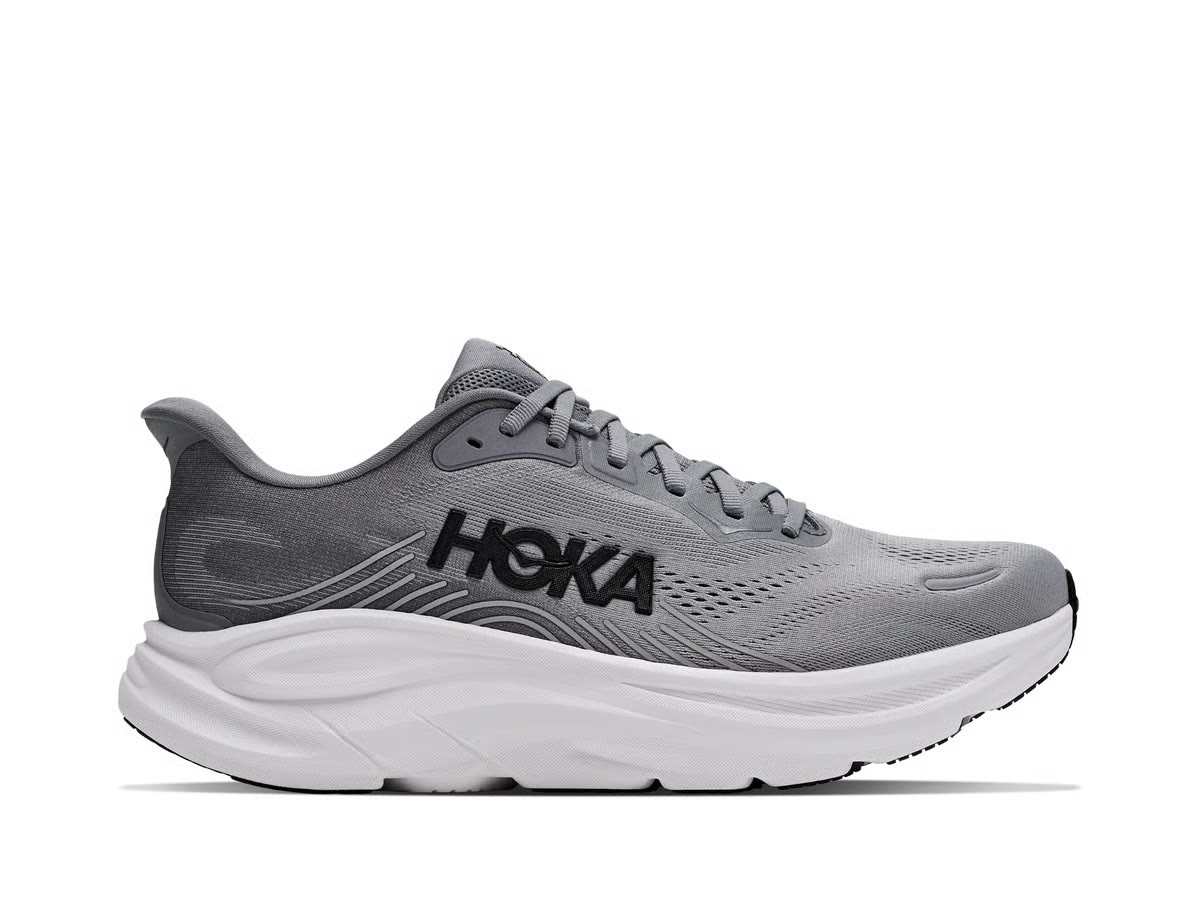
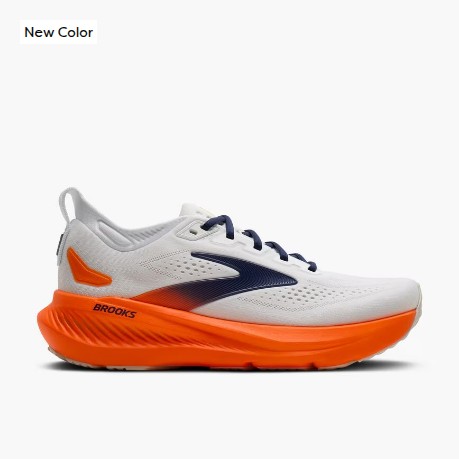
Curated lineup from our audited shoe database.
Best Running Shoes for IT Band Syndrome: 2026 Comfort Guide
A shoe comparison can help with fit and comfort when lateral knee pain makes footwear a concern. It cannot diagnose the pain or replace an individualized rehabilitation plan. The options below are for runners whose clinical plan allows running.
Quick Choices
| What you want to compare | Start with | Main tradeoff to check |
|---|---|---|
| Familiar neutral geometry and several widths | Brooks Ghost 18 | Tapered toe box; modest rebound |
| A livelier neutral daily trainer | Saucony Ride 19 | Cushioning may feel less consistent on very long runs |
| Deep cushioning with a quiet ride | HOKA Clifton 11 | Limited energy return |
| Plush cushioning and an extra-wide option | Brooks Glycerin 23 | Warm upper and substantial weight |
| Noticeable guidance you already find comfortable | HOKA Gaviota 6 | More assertive structure; limited bounce |
The Ghost appears first in our product gallery because its listed 10mm drop and width selection provide a familiar comparison baseline. That is an editorial shopping choice, not evidence that it is the best ITBS treatment. Keeping a comfortable existing pair is also a valid outcome.
How We Selected These Shoes
We checked exact-model manufacturer information and published independent reviews on October 2, 2026. The shortlist covers different cushioning, fit, and support preferences rather than prescribing one shoe category. Each pick below identifies the source of product facts and testing observations; the recommendation is our interpretation of those sources.
TrainingPlan has not wear-tested these pairs, and the cited product reviews are not trials in runners with IT band syndrome. See our editorial methodology for how research-based guides differ from firsthand reviews. Width availability varies by market, gender, size, and color; confirm the actual pair before buying.
Medical Context and Evidence Boundary
Pain on the outside of the knee is not automatically ITBS. The American Physical Therapy Association's ITBS guide describes assessment of movement, strength, and flexibility across the leg. Dorset NHS lateral knee pain guidance addresses activity modification and rehabilitation. Neither source endorses a model in this shortlist.
The Cochrane review of running shoes and lower-limb injury prevention reports low or very low certainty for several shoe-category comparisons. It examines prevention, not treatment of diagnosed ITBS, and does not test these models. It cannot establish that a stability rail corrects ITBS or that softer foam reduces IT band friction.
Seek qualified evaluation for new, persistent, or worsening pain, swelling, locking, instability, or difficulty with normal walking.
What Shoes Can and Cannot Change
Compare secure fit, familiar geometry, underfoot feel, and support preference. Those are useful footwear decisions; they do not establish why the knee hurts. A neutral shoe can feel structured, and a stability label does not establish that a runner needs guidance.
Avoid changing several variables at once merely because symptoms appeared. Record changes in training as well as shoes, and follow individual clinical advice about whether and how much to run.
Current Shoe Shortlist
1. Brooks Ghost 18 — Familiar Neutral Geometry
Brooks lists a 10mm drop and four men's widths. RunRepeat's testing found a tapered toe box and restrained energy return. Consider it for a conventional neutral daily trainer, particularly if a wider fit is needed; check toe space rather than assuming the standard width is generous. Our Ghost 18 review explains the ride and measurement differences.
2. Saucony Ride 19 — Livelier Neutral Option
Saucony identifies PWRRUN+ cushioning and regular/wide versions. RTINGS' original testing found useful forefoot response but less cushioning reserve over longer distances. It adds a livelier 8mm-drop alternative to the shortlist. Compare it when everyday versatility matters more than the deepest cushioning; our Ride 19 review gives the fuller comparison.
3. HOKA Clifton 11 — Deep Cushioning with Width Options
HOKA's Clifton 11 listing describes its cushioned, rolling design. RTINGS found deep impact protection but limited energy return, and notes a wide version. Consider it if a cushioned, subdued transition is already comfortable; look elsewhere if rebound is the priority. Our Clifton 11 review covers its 8mm listed geometry. Greater stack is not evidence of better ITBS outcomes.
4. Brooks Glycerin 23 — Plush Neutral Option
Brooks lists 8mm drop and standard, wide, and extra-wide men's options. SoleReview describes smooth, plush transitions but a warm upper and softer lateral structure. Compare it for cushioning and width access, rather than low weight or mechanical guidance. This is the neutral Glycerin, not the GTS version; our Glycerin 23 review separates those choices.
5. HOKA Gaviota 6 — Highly Guided Alternative
HOKA identifies an H-Frame guidance system. RTINGS' testing describes pronounced support with limited bounce. It supplies a guided contrast to the neutral models, with a listed 6mm drop. Consider it only if that structure feels comfortable and familiar. The Gaviota 6 review explains the tradeoff; ITBS alone does not establish a need for this design.
Current Comparison Table
| Shoe | Listed drop | Platform | Width choices to check | Catalog MSRP (USD) |
|---|---|---|---|---|
| Brooks Ghost 18 | 10mm | Neutral | Narrow, standard, wide, extra-wide | MSRP: $150 |
| Saucony Ride 19 | 8mm | Neutral | Standard, wide | MSRP: $145 |
| HOKA Clifton 11 | 8mm | Neutral | Standard; wide available | MSRP: $155 |
| Brooks Glycerin 23 | 8mm | Neutral | Standard, wide, extra-wide | MSRP: $175 |
| HOKA Gaviota 6 | 6mm | Guided | Standard, wide | MSRP: $180 |
Listed drop is not a laboratory measurement. The linked model reviews retain source and sample context for stack and weight; these are not measurements of matched pairs. Brooks widths above were checked against US men's listings. Other availability depends on the exact regional listing. Catalog MSRP is a reference list price, not a live offer or stock promise.
How to Choose
Use the two-shoe comparison worksheet to record the exact model, size, width, heel hold, pressure points, price, and return conditions. Separate your observations from review claims. A clinical plan determines appropriate running limits; a retailer's trial policy determines what you can return.
Compare familiar options during permitted walking or running, and discuss a worsening response with your clinician. Do not keep an uncomfortable shoe because its support label seems to match a diagnosis. For broader context, use the injury-aware running hub.
Key Takeaway
Compare these shoes by familiar geometry, secure fit, and preferred support. Treat footwear as one comfort variable within a clinician-guided plan.
Frequently Asked Questions
Can changing running shoes fix IT band syndrome?
Do runners with IT band pain need stability shoes?
When should lateral knee pain be evaluated?
References
- https://www.choosept.com/guide/physical-therapy-guide-iliotibial-band-syndrome-itbs
- https://www.mskdorset.nhs.uk/knee-pain/knee-pain-lateral-knee-pain/
- https://www.cochrane.org/evidence/CD013368_running-shoes-preventing-lower-limb-running-injuries-adults
- https://www.brooksrunning.com/en_us/mens/shoes/road-running-shoes/ghost-18/110493.html
- https://runrepeat.com/brooks-ghost-18
- https://www.saucony.com/en/ride-19/60823M.html
- https://www.rtings.com/running-shoes/reviews/saucony/ride-19-orange
- https://au.hoka.com/products/clifton-11-1176572-gctc-gctc
- https://www.rtings.com/running-shoes/reviews/hoka/clifton-11
- https://www.brooksrunning.com/en_us/mens/shoes/road-running-shoes/glycerin-23/110476.html
- https://www.solereview.com/brooks-glycerin-23-review/
- https://vn.hoka.com/en/products/giay-chay-bo-nam-hoka-gaviota-6-1171932-vvn-vintage-gr
- https://www.rtings.com/running-shoes/reviews/hoka/gaviota-6