Best Running Shoes for Shin Splints: Top Picks for 2026

Share

Find the best running shoes for shin splints with proper cushioning, support, and shock absorption to reduce tibial stress and prevent pain.

Bob BodilyBob Bodily
8 min readShoes

Quick Hits

  • Shin splints often result from too much, too soon training
  • Cushioning absorbs shock that would otherwise stress the tibia
  • Stability features can help if overpronation contributes to shin pain
  • Gradual mileage increases are as important as shoe selection
  • Worn shoes lose protective cushioning - track mileage and replace on time
HOKA Bondi 8 top pick

Top pick

HOKA Bondi 8

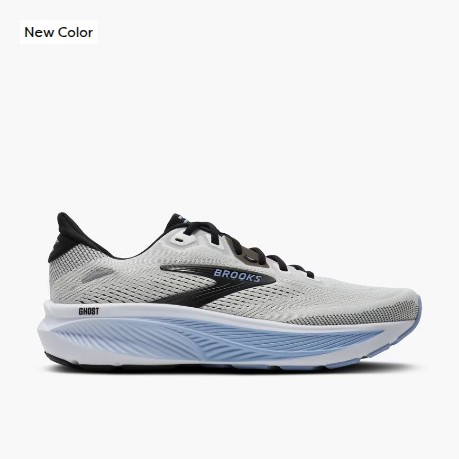
Brooks Glycerin 21 recommendation
Brooks Glycerin 21
Brooks Adrenaline GTS 24 recommendation
Brooks Adrenaline GTS 24
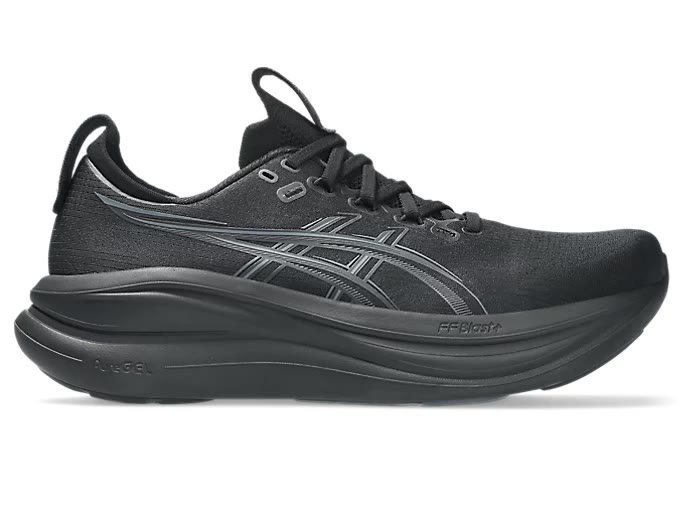
ASICS Gel-Nimbus 27 recommendation
ASICS Gel-Nimbus 27

Curated lineup from our performance lab.

Best Running Shoes for Shin Splints: Top Picks for 2026

Shin splints - medial tibial stress syndrome - are one of the most common running injuries, causing pain along the inner edge of the shinbone. While shoes alone won't cure shin splints, proper footwear can reduce the tibial stress that contributes to the condition.

This guide covers the best running shoes for preventing and managing shin splints through adequate cushioning and appropriate support.


Understanding Shin Splints

Shin splints occur when the muscles, tendons, and bone tissue around the tibia become overloaded. Common causes include:

  • Training errors: Increasing mileage or intensity too quickly
  • Hard surfaces: Running primarily on concrete or asphalt
  • Worn shoes: Degraded cushioning that no longer protects
  • Biomechanics: Overpronation or other gait issues
  • Weak muscles: Inadequate calf and tibial muscle strength

Symptoms include pain along the inner shin that may start mild but worsen with continued running. Without treatment, shin splints can progress to stress fractures.


How Shoes Can Help

Factor How Shoes Help What to Look For
Shock absorption Reduces impact transmitted to tibia Adequate midsole cushioning
Stability Controls excessive pronation Guide rails or medial post
Heel-toe transition Smooth foot strike reduces stress Rocker geometry
Fresh foam Maintains protective cushioning Track mileage, replace on time
Proper fit Prevents compensatory patterns Correct size and width

Top Running Shoes for Shin Splints

1. HOKA Bondi 8 - Best Shock Absorption

The Bondi 8 provides maximum cushioning to absorb the impact that contributes to shin pain.

Key Specs:

  • Cushion Level: Maximum
  • Heel-to-Toe Drop: 4mm
  • Stack Height: 38mm heel / 34mm forefoot
  • Weight: 10.3 oz (men's)
  • Price: MSRP: $165

Why It Made the List: HOKA's Bondi offers the most cushioning in their lineup, with significant foam between your foot and the ground. The compression-molded EVA foam absorbs shock effectively, and the wide platform provides stability. For runners with shin splints, this level of protection can make a significant difference.

Pros:

  • Maximum cushioning
  • Wide, stable platform
  • Smooth meta-rocker
  • Proven for injury recovery

Cons:

  • Heavy
  • Lower drop requires adjustment

Best For: Runners who need maximum shock absorption.

Read our full HOKA Bondi 8 review


2. Brooks Glycerin 21 - Best Plush Cushioning

The Glycerin 21 provides soft, protective cushioning that reduces stress on the tibialis and surrounding structures.

Key Specs:

  • Cushion Level: High
  • Heel-to-Toe Drop: 10mm
  • Stack Height: 38mm heel / 28mm forefoot
  • Weight: 10.2 oz (men's)
  • Price: MSRP: $160

Why It Made the List: Brooks' DNA LOFT v3 foam creates a soft, cushioned ride that absorbs impact without feeling unstable. The Glycerin is ideal for shin splint sufferers who want plush protection with a traditional 10mm drop. Three width options ensure proper fit.

Pros:

  • Plush cushioning
  • Traditional 10mm drop
  • Three width options
  • Smooth transitions

Cons:

  • Heavy
  • Less responsive

Best For: Runners who prefer plush cushioning with traditional drop.

Read our full Brooks Glycerin 21 review


3. Brooks Adrenaline GTS 24 - Best for Overpronators with Shin Splints

For runners whose shin splints are linked to overpronation, the Adrenaline GTS 24 provides stability without aggressive correction.

Key Specs:

  • Cushion Level: Moderate
  • Heel-to-Toe Drop: 12mm
  • Stack Height: 36mm heel / 24mm forefoot
  • Weight: 10.2 oz (men's)
  • Price: MSRP: $140

Why It Made the List: Overpronation can contribute to shin splints by creating rotational stress on the tibia. Brooks' GuideRails system limits excessive movement without forcing rigid correction. Combined with adequate cushioning, the Adrenaline addresses both shock absorption and biomechanical factors.

Pros:

  • GuideRails stability
  • Four width options
  • Comfortable cushioning
  • Addresses pronation-related shin pain

Cons:

  • Higher drop
  • Moderate cushioning only

Best For: Overpronators experiencing shin splints.

Read our full Brooks Adrenaline GTS 24 review


4. ASICS Gel-Nimbus 27 - Best Premium Cushioning

The Nimbus 27 combines ASICS' signature GEL technology with premium foam for excellent shock absorption.

Key Specs:

  • Cushion Level: Maximum
  • Heel-to-Toe Drop: 8mm
  • Stack Height: 43mm heel / 35mm forefoot
  • Weight: 10.6 oz (men's)
  • Price: MSRP: $160

Why It Made the List: ASICS' PureGEL technology provides visible gel cushioning units that absorb impact at heel strike. Combined with FF Blast Plus Eco foam, the Nimbus 27 offers multi-layer shock absorption ideal for runners managing shin splints. Four width options ensure proper fit.

Pros:

  • PureGEL technology
  • Premium foam cushioning
  • Four width options
  • Excellent durability

Cons:

  • Heavy
  • Less responsive

Best For: Runners who want premium cushioning with GEL technology.

Read our full ASICS Gel-Nimbus 27 review


5. HOKA Clifton 9 - Best Lightweight Cushioning

The Clifton 9 provides high cushioning at a lighter weight than maximum cushion options.

Key Specs:

  • Cushion Level: High
  • Heel-to-Toe Drop: 5mm
  • Stack Height: 36mm heel / 31mm forefoot
  • Weight: 9.1 oz (men's)
  • Price: MSRP: $145

Why It Made the List: For runners who need cushioning for shin splints but don't want heavy shoes, the Clifton strikes an excellent balance. At 9.1 oz with high cushioning, it provides protection without the weight penalty of maximum cushion options. The meta-rocker promotes smooth transitions.

Pros:

  • Light for cushioning level
  • Smooth meta-rocker
  • Wide option available
  • Good for recovery runs

Cons:

  • Less cushioning than Bondi
  • Lower drop

Best For: Runners who want cushioning without excessive weight.

Read our full HOKA Clifton 9 review


6. Nike Invincible 3 - Best React Foam Cushioning

The Invincible 3 uses Nike's ZoomX foam for soft, bouncy cushioning that reduces impact stress.

Key Specs:

  • Cushion Level: Maximum
  • Heel-to-Toe Drop: 9mm
  • Stack Height: 41mm heel / 32mm forefoot
  • Weight: 10.6 oz (men's)
  • Price: MSRP: $180

Why It Made the List: Nike's ZoomX foam is exceptionally soft and absorbs impact effectively. The Invincible uses generous amounts of this foam to create a plush ride ideal for runners with shin pain. The wide platform provides stability despite the soft cushioning.

Pros:

  • Very soft cushioning
  • ZoomX foam technology
  • Wide, stable platform
  • Smooth ride

Cons:

  • Expensive
  • Heavy
  • Very soft may feel unstable

Best For: Runners who prefer very soft cushioning.

Read our full Nike Invincible 3 review


7. New Balance Fresh Foam X More v5 - Best Stack Height

The More v5 offers maximum foam volume for runners who need significant cushioning to manage shin splints.

Key Specs:

  • Cushion Level: Maximum
  • Heel-to-Toe Drop: 6mm
  • Stack Height: 40mm heel / 34mm forefoot
  • Weight: 10.9 oz (men's)
  • Price: MSRP: $170

Why It Made the List: With a 40mm stack height at the heel, the More v5 puts significant cushioning between your foot and the ground. The Fresh Foam X midsole absorbs shock effectively, and the rocker geometry promotes smooth transitions. Five width options ensure proper fit.

Pros:

  • Maximum stack height
  • Five width options
  • Rocker geometry
  • Soft ride

Cons:

  • Heavy
  • Very high stack may feel unstable

Best For: Runners who need maximum cushioning volume.

Read our full New Balance Fresh Foam X More v5 review


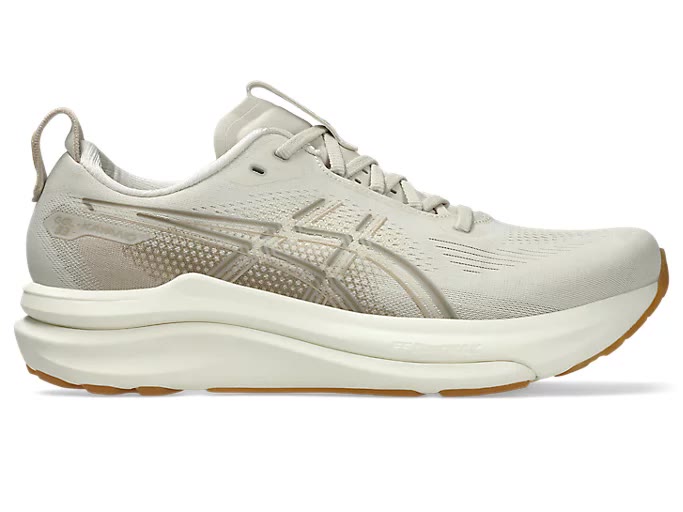
8. ASICS Gel-Kayano 32 - Best Stability with Cushioning

For shin splint sufferers who also need stability features, the Kayano 32 provides both in a premium package.

Key Specs:

  • Cushion Level: High
  • Heel-to-Toe Drop: 10mm
  • Stack Height: 42mm heel / 32mm forefoot
  • Weight: 11.0 oz (men's)
  • Price: MSRP: $160

Why It Made the List: The Kayano combines ASICS' 4D Guidance System stability with premium cushioning. If overpronation contributes to your shin splints, this shoe addresses both shock absorption and biomechanical control. Four width options accommodate different foot shapes.

Pros:

  • Stability + cushioning
  • 4D Guidance System
  • Four width options
  • Premium construction

Cons:

  • Heavy
  • Expensive

Best For: Overpronators who need both stability and cushioning.

Read our full ASICS Gel-Kayano 32 review


Comparison Table

Shoe Cushion Drop Weight Price Stability
HOKA Bondi 8 Maximum 4mm 10.3 oz MSRP: $165 Neutral
Brooks Glycerin 21 High 10mm 10.2 oz MSRP: $160 Neutral
Brooks Adrenaline GTS 24 Moderate 12mm 10.2 oz MSRP: $140 Stability
ASICS Nimbus 27 Maximum 8mm 10.6 oz MSRP: $160 Neutral
HOKA Clifton 9 High 5mm 9.1 oz MSRP: $145 Neutral
Nike Invincible 3 Maximum 9mm 10.6 oz MSRP: $180 Neutral
NB More v5 Maximum 6mm 10.9 oz MSRP: $170 Neutral
ASICS Kayano 32 High 10mm 11.0 oz MSRP: $160 Stability

Prevention Strategies Beyond Shoes

Training Modifications

  • 10% rule: Increase weekly mileage by no more than 10%
  • Surface variety: Mix softer surfaces with roads
  • Rest days: Allow adequate recovery between runs
  • Cross-training: Reduce running impact with swimming or cycling

Strengthening Exercises

  • Calf raises: Strengthen tibialis posterior
  • Toe walks: Build anterior tibialis strength
  • Heel walks: Further anterior muscle development
  • Single-leg balance: Improve stability and control

Other Considerations

  • Replace shoes on time: Track mileage, don't wait for visible wear
  • Consider orthotics: If arch support is needed
  • Gait analysis: Identify biomechanical issues
  • Professional evaluation: Persistent shin splints need medical attention

Summary

Running shoes with adequate cushioning can help manage and prevent shin splints by reducing the impact stress on the tibia. The HOKA Bondi 8 offers maximum shock absorption, while the Brooks Glycerin 21 provides plush comfort. Overpronators should consider stability options like the Brooks Adrenaline GTS 24 or ASICS Gel-Kayano 32. Remember that shoes are one part of the solution - combine proper footwear with gradual training progression and strengthening for best results.


Track your recovery runs and shoe mileage on your dashboard.

Key Takeaway

Shoes with adequate cushioning and appropriate stability features can help manage and prevent shin splints by reducing tibial stress. Combined with gradual training progression and proper strength work, the right footwear supports recovery and prevention.

Frequently Asked Questions

Can running shoes cure shin splints?
Shoes alone won't cure shin splints, but appropriate footwear is part of the solution. Proper cushioning reduces tibial stress, and stability features can help if overpronation contributes. Combine better shoes with training modifications, strengthening, and gradual return to running.
Should I use stability or neutral shoes for shin splints?
It depends on your gait. If you overpronate (ankle rolls inward excessively), stability shoes can reduce the rotational stress contributing to shin pain. If you have a neutral gait, cushioned neutral shoes provide shock absorption without unnecessary correction.
How much cushioning is enough for shin splints?
Look for shoes with moderate to high cushioning (stack heights of 30-40mm). Maximum cushioning isn't always better - some runners find very soft shoes unstable, which can worsen form. The key is adequate shock absorption without sacrificing control.
Are minimalist shoes bad for shin splints?
Minimalist shoes provide less protection and are generally not recommended for runners experiencing shin splints. The reduced cushioning increases tibial loading. Once shin splints resolve and you've built appropriate strength, you can gradually explore lower-stack options if desired.
How often should I replace shoes to prevent shin splints?
Replace running shoes every 300-500 miles, tracking mileage carefully. Cushioning degrades before visible wear appears. If you're prone to shin splints, err on the earlier side of replacement. Worn shoes are a common contributor to recurring shin pain.

References

  1. Running shoe research
  2. Sports medicine literature
  3. Brand documentation

Send to a friend

Know someone training for a race? Share this with their long-run buddy.