
Contents
Best Trail Running Shoes for 2026: Six Current Terrain Picks
Compare six current trail running shoes for all-around trails, long runs, technical terrain, faster efforts, and mixed conditions.

What changed: Rebuilt the guide around terrain decisions, added exact-model manufacturer and independent evidence for all six shoes, and made each recommendation's fit, ride, and surface limitations explicit.
Quick Hits
- •HOKA Speedgoat 7 is the balanced mixed-terrain and long-run starting point, but its tall platform reduces ground feel.
- •Saucony Peregrine 16 and Adidas Agravic 4 are firmer, more direct options for technical routes.
- •ASICS Trabuco Max 5 favors runnable long trails, Fuji Lite 7 favors smoother fast efforts, and Merrell Agility Peak 6 favors protective technical use.
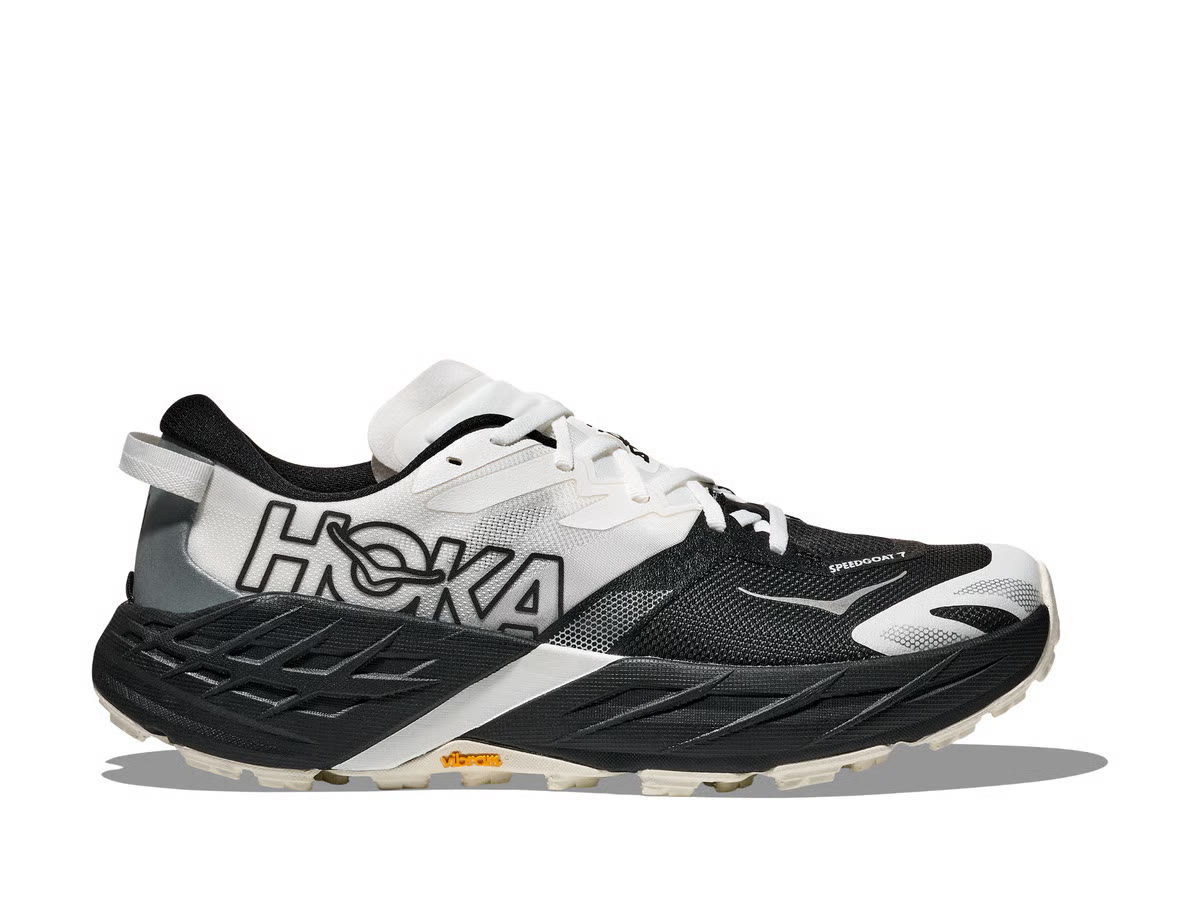
Top pick
HOKA Speedgoat 7
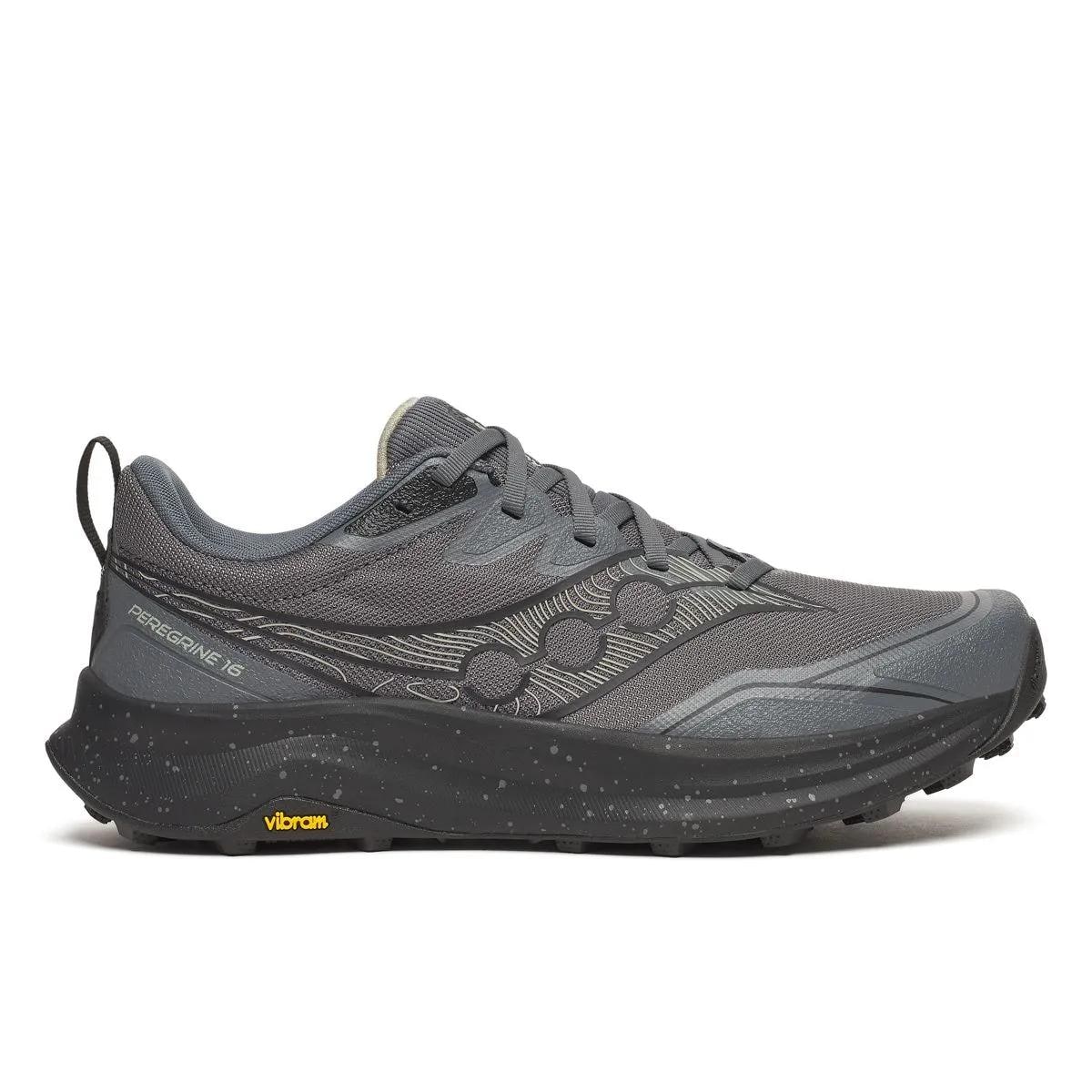
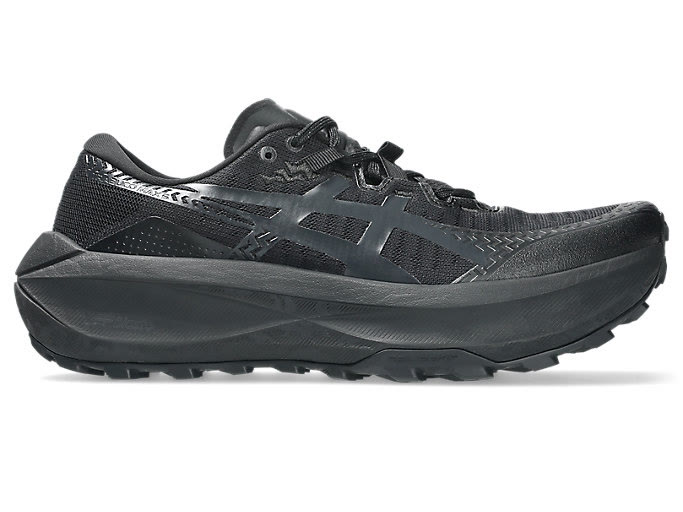
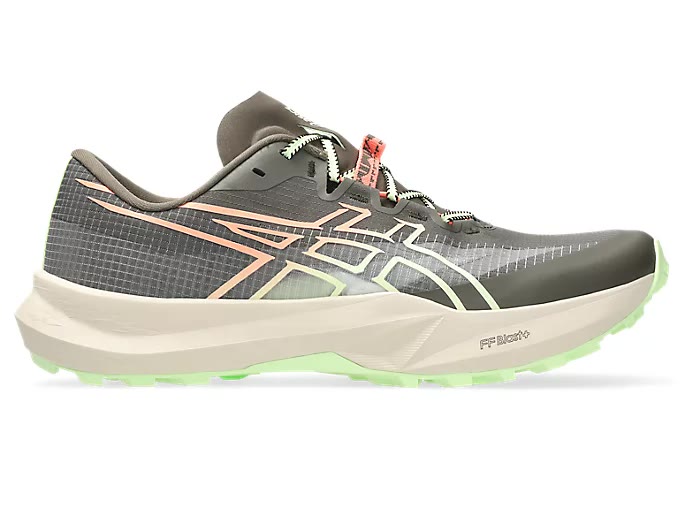
Curated lineup from our audited shoe database.
Best Trail Running Shoes for 2026
Decision Evidence
| Your terrain or use | Best starting point | Evidence and main limit |
|---|---|---|
| Mixed trails and long runs | HOKA Speedgoat 7 | Vibram Megagrip, 5mm lugs, and high cushion; tall stack reduces ground feel |
| Technical everyday trails | Saucony Peregrine 16 | 4mm drop and Vibram outsole; firmer and less protective than taller options |
| Runnable long trail days | ASICS Trabuco Max 5 | 40/35mm platform for cruising; firm ride and less suited to precise terrain |
| Smooth-trail faster runs | ASICS Fuji Lite 7 | Light 8.5oz men's reference; no rock plate and less rearfoot control |
| Firm technical routes | Adidas Terrex Agravic 4 | Continental rubber and 4.5mm lugs; stiff ride can need break-in |
| Protective technical use | Merrell Agility Peak 6 | Rock plate and 5mm Vibram lugs; firm underfoot and not the lightest |
The Speedgoat 7 is the best all-around starting point, not a universal winner. Choose the surface and fit you actually run: deep mud, wet rock, hardpack, and loose descents place different demands on an outsole and upper.
Specification Reference
| Shoe | Men's reference | Stack / drop | Listed widths · MSRP |
|---|---|---|---|
| Speedgoat 7 | 9.6oz | 38/33mm · 5mm | Standard, wide · MSRP: $165 |
| Peregrine 16 | 10.0oz | 33/29mm · 4mm | Standard, wide · MSRP: $150 |
| Trabuco Max 5 | 10.5oz | 40/35mm · 5mm | Standard · MSRP: $170 |
| Fuji Lite 7 | 8.5oz | 32/28mm · 4mm | Standard · MSRP: $140 |
| Terrex Agravic 4 | 10.4oz | 36/28mm · 8mm | Standard, wide · MSRP: $145 |
| Agility Peak 6 | 10.1oz | 38/30mm · 8mm | Standard, wide · MSRP: $160 |
Weights and geometry are audited catalog references; manufacturer listings and independent review samples can differ by size and measurement method. Prices are list-price references, not live offers.
How We Chose
We compared six current exact models with local images and usable internal reviews. Manufacturer pages establish construction and listed specifications; independent exact-model reviews supply ride, fit, and terrain observations. TrainingPlan has not hands-on tested every model, so recommendations stay bounded to that published evidence.
The group deliberately covers high-cushion long running, lower-stack technical running, smoother fast trails, fit access, and protective platforms. We do not infer injury prevention, guaranteed lifespan, or slip-proof traction.
1. HOKA Speedgoat 7 — Best All-Around Starting Point
The Speedgoat 7 combines supercritical EVA with Vibram Megagrip and 5mm lugs. HOKA positions it for mixed terrain, and OutdoorGearLab found the outsole dependable across varied surfaces while favoring the shoe for long and high-vertical days.
The limit is precision and fit. Independent testing found the tall platform reduced ground feel and the standard toe box ran narrow; HOKA itself suggests considering a half size up. Treat that as a try-on prompt, not a sizing rule for every foot.
2. Saucony Peregrine 16 — Best Direct Technical Option
The Peregrine 16 uses PWRRUN cushioning, a 4mm drop, and a Vibram Megagrip outsole. Saucony lists regular and wide versions. Believe in the Run found it most coherent on daily and technical trails, where its lower, more direct shape makes sense.
That review was less enthusiastic about the overall performance than the spec sheet might imply. Choose the Peregrine for trail feel and placement, not because a lower platform guarantees a faster or more protective ride.
3. ASICS Trabuco Max 5 — Best for Runnable Long Trails
The Trabuco Max 5 pairs FF BLAST PLUS with ASICSGRIP in a 40/35mm platform. Meta Endurance found the broad, grounded shoe stable and well suited to easy long runs on runnable trails.
Its ride tested firmer than its stack suggests, and the reviewer raised grip cautions on wet stone and hard surfaces. Standard-only width and the tall platform also narrow the fit and technical-terrain case.
4. ASICS Fuji Lite 7 — Best for Smooth-Trail Speed
At an 8.5-ounce men's listed weight, 32/28mm geometry, and 4mm drop, the Fuji Lite 7 is the compact option here. RoadTrailRun found it responsive on smoother trails and suitable for faster running.
It has no rock plate, and the same review raised rearfoot-control concerns on more technical ground. Choose it for familiar, flowing routes rather than assuming low weight makes it the best mountain-race shoe.
5. Adidas Terrex Agravic 4 — Best Firm Technical Value
The Agravic 4 uses Lightstrike cushioning, Continental rubber, and 4.5mm lugs. Believe in the Run found its secure platform and outsole capable on technical terrain, with a competitive MSRP: $145 list price.
Its firmer, stiffer feel may need break-in, and the toe overlay and fit deserve attention. It is a better match for runners who want direct structure than those seeking a soft long-run ride.
6. Merrell Agility Peak 6 — Best Protective Technical Option
Merrell lists a rock plate, FloatPro foam, Vibram Megagrip, and 5mm lugs in a 38/30mm platform. The exact product page offers medium and wide versions. Believe in the Run found the platform protective and technically capable.
The ride tested firm, and published sample measurements differ from Merrell's current listed geometry. Use the manufacturer figures as the specification reference and the independent account as ride context, then confirm fit in person.
Choose by Terrain and Use
- Mixed everyday trails: Start with Speedgoat 7; compare Peregrine 16 for more ground feel.
- Long, runnable trails: Trabuco Max 5 supplies the most stack; Speedgoat 7 is the more versatile alternative.
- Smooth and faster routes: Fuji Lite 7 has the strongest low-weight case.
- Firm technical routes: Agravic 4 is direct and structured; Agility Peak 6 adds a rock plate.
- Deep mud or soft ground: None is an automatic specialist. Compare Speedcross 6 versus Speedgoat 7.
Use our trail running basics and road-versus-trail guide to match route demands before choosing. For longer objectives, compare the best ultra shoes.
Final Takeaway
Speedgoat 7 has the broadest mixed-terrain and long-run case, but Peregrine 16 is the more direct technical choice. Trabuco Max 5 targets runnable distance, Fuji Lite 7 targets smoother speed, Agravic 4 supplies firm technical value, and Agility Peak 6 adds rock-plate protection. The right answer remains the model whose terrain profile and fit match your routes.
Key Takeaway
Choose by terrain first: Speedgoat 7 for cushioned mixed trails, Peregrine 16 or Agravic 4 for more direct technical running, Trabuco Max 5 for runnable long days, Fuji Lite 7 for smooth-trail speed, and Agility Peak 6 for protection.
Frequently Asked Questions
What is the best all-around trail running shoe for 2026?
Can trail shoes be used on roads?
Do deeper lugs always provide better grip?
References
- https://au.hoka.com/products/m-speedgoat-7-1171928-bwht-bwht
- https://www.outdoorgearlab.com/reviews/shoes-and-boots/trail-running-shoes-men/hoka-speedgoat-7
- https://www.saucony.com/en/peregrine-16/60848M.html
- https://believeintherun.com/shoe-reviews/saucony-peregrine-16-review/
- https://www.asics.com/us/en-us/trabuco-max-5/p/ANA_1011C164-001.html
- https://meta-endurance.com/asics-trabuco-max-5-review/
- https://www.asics.com/us/en-us/fuji-lite-7/p/ANA_1013A232-200.html
- https://www.roadtrailrun.com/2026/07/asics-fuji-lite-7-multi-tester-review.html
- https://www.adidas.com/us/terrex-agravic-4-trail-running-shoes/KJ8870.html
- https://believeintherun.com/shoe-reviews/adidas-terrex-agravic-4-review/
- https://www.merrell.com/US/en/agility-peak-6/60949M.html
- https://believeintherun.com/shoe-reviews/merrell-agility-peak-6-review/