
Contents
Mizuno Wave Inspire 22 Review: Moderate Support, Smoother Geometry
The Mizuno Wave Inspire 22 updates its stability platform with Enerzy NXT and a lower drop. See its ride, fit, tradeoffs, and daily-training role.

Quick Hits
- •A 10mm catalog drop and added forefoot material make the Inspire 22 less steep than older versions.
- •Mizuno combines nitrogen-infused Enerzy NXT with an updated Wave plate for moderate guidance.
- •RunRepeat found a stable, true-to-size workhorse with good outsole abrasion results but limited bounce.
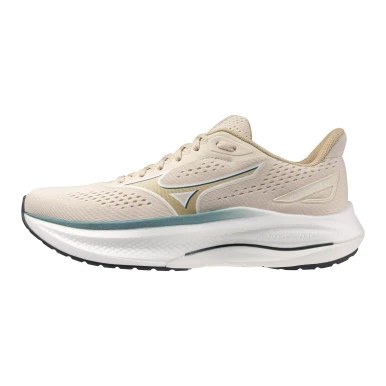
Mizuno Wave Inspire 22 Review
Disclosure: As an Amazon Associate, we earn from qualifying purchases. This helps support TrainingPlan at no extra cost to you.
Affiliate link - we may earn a commission
This review combines Mizuno's product details, TrainingPlan's current catalog, and RunRepeat's published laboratory work. It does not represent first-person testing by TrainingPlan.
Quick Verdict
The Mizuno Wave Inspire 22 modernizes a long-running stability trainer without discarding its practical character. A 10mm catalog drop, 37/27mm platform, nitrogen-infused Enerzy NXT foam, and updated Wave plate create a less steep, moderately guided package for everyday road use. RunRepeat found the support noticeable but not excessively rigid, especially compared with traditional posted designs.
This is still a workhorse rather than an excitement-first trainer. Independent testing rates traction and outsole abrasion performance well but finds low energy return. Runners who prioritize consistent support, a familiar fit, and daily mileage should see the appeal. Those chasing bounce should compare the options in the best daily trainer guide.
Key Specifications
| Spec | Value |
|---|---|
| Category | Daily Trainer |
| Cushion Level | High |
| Heel-to-Toe Drop | 10mm |
| Weight (Men's/Women's) | 9.9oz / 8.7oz |
| Stack Height | 37mm heel / 27mm forefoot |
| Pronation Support | Stability |
| Width Options | Standard and Wide |
| MSRP | MSRP: $145 |
| Surface | Road |
These are the exact current runtime catalog values. Mizuno advertises a 10mm drop, while RunRepeat measured 7.6mm and a 9.9oz lab sample. Such differences reflect sample size and measurement method. They should not be blended into a new, unsupported specification.
What Changed
Mizuno calls the midsole fully redesigned. Nitrogen-infused Enerzy NXT replaces the older cushioning arrangement, the forefoot gains material, and the Wave plate is revised to provide support while allowing weight transfer. The upper uses engineered mesh with a gusseted tongue.
RunRepeat considers the lower geometry and extra forefoot foam a more versatile direction than the older, steeper setup. Compared with the Wave Inspire 20, version 22 should be viewed as a meaningful platform update rather than a cosmetic refresh.
Ride and Intended Use
Mizuno describes Enerzy NXT as maximizing cushioning and energy return, while the Wave plate disperses impact across a stable platform. RunRepeat's lab supports cushioning and control more strongly than bounce: it rated shock absorption moderate and energy return low, with a wider-than-average measured heel platform and a firm heel counter.
The result is best framed as an easy-to-steady daily shoe. The plate and rear geometry guide the platform without making the forefoot unusually wide or inflexible. RunRepeat found midfoot and forefoot behavior closer to a neutral trainer, with support more apparent at the heel. The best stability running shoes roundup covers alternatives with stronger or subtler guidance.
Fit and Sizing
RunRepeat reports true-to-size length, medium width, and a medium toe box. Its upper assessment calls the construction conventional and dependable rather than unusually airy. The gusseted tongue helps connect the upper around the midfoot, while plush heel padding offsets the firm counter.
TrainingPlan catalogs standard and wide options. Most runners can begin with their normal size, but selecting the proper width is preferable to sizing longer solely for forefoot space. Fit guidance is based on the independent test sample and does not guarantee identical volume across every size.
What Works Well
- Moderate guidance: A wide rear platform, Wave plate, and firmer heel structure provide support without turning the whole shoe into a rigid block.
- Improved geometry: The reduced drop and greater forefoot depth make the platform more balanced than older high-drop Inspire versions.
- Workhorse outsole: RunRepeat's controlled tests rated traction and outsole abrasion resistance positively, evidence about its sample rather than a mileage guarantee.
- Practical fit range: True-to-size findings plus standard and wide catalog widths simplify selection.
Tradeoffs
- Restrained response: Laboratory results do not match the energetic impression some runners may infer from nitrogen-infused foam.
- Rearfoot emphasis: Runners who dislike firm heel structure or noticeable rear guidance may prefer a neutral platform.
- Conventional feel: The Inspire prioritizes consistency over the playful sensation of lighter performance trainers.
Who Should Consider This Shoe
- Runners seeking moderate support for ordinary road mileage.
- Heel strikers who prefer a stable rear platform and a 10mm specified drop.
- Walkers and runners who value predictable geometry and multiple widths.
Who Should Look Elsewhere
- Runners seeking a soft, highly bouncy daily trainer.
- Athletes wanting a light shoe for frequent intervals or racing.
- Neutral-shoe users who do not enjoy structured rearfoot guidance.
Cross-Brand Comparison
The ASICS Gel Kayano 32 represents a more maximal premium stability direction, while the Inspire remains a simpler daily workhorse at a lower MSRP. The ASICS Gel Kayano versus Brooks Adrenaline guide explain how structured trainers can differ in cushion and guidance.
Same-Brand Comparison
The Mizuno Wave Rider 29 is the neutral sibling for runners who want Mizuno's daily-training approach without the Inspire's support classification. The Mizuno Wave Horizon 7 occupies a more substantial stability position. The Inspire 22 sits between those poles, combining moderate control with manageable weight.
Value
At a MSRP: $145 catalog MSRP, the Wave Inspire 22 competes directly with mainstream daily trainers rather than premium max-cushion shoes. The Wave structure, updated foam, width choice, and positive outsole testing form a credible value case. The weaker case is for runners paying specifically for a lively, speed-friendly feel; independent evidence does not make that the headline.
Final Verdict
The Mizuno Wave Inspire 22 is a sensible evolution of a stability workhorse. Its lower drop, added forefoot material, Enerzy NXT midsole, and updated Wave plate create a smoother, more moderate package than the line's older high-drop identity. The shoe remains stable and practical rather than bouncy.
Choose it for reliable daily guidance, standard-or-wide fit options, and a conventional road ride. Choose a lighter neutral or performance trainer if high response is the priority.
Disclosure: As an Amazon Associate, we earn from qualifying purchases. This helps support TrainingPlan at no extra cost to you.
Affiliate link - we may earn a commission
Key Takeaway
The Wave Inspire 22 is a practical moderate-stability workhorse with improved geometry and dependable handling, though runners seeking bounce may find it restrained.
Frequently Asked Questions
Who is the Mizuno Wave Inspire 22 best for?
How does the Mizuno Wave Inspire 22 fit?
Is the Mizuno Wave Inspire 22 worth its $145 MSRP?
References
- https://usa.mizuno.com/running-wave-inspire-22-mens-lifestyle-pack/
- https://runrepeat.com/mizuno-wave-inspire-22