
Contents
Nike Structure 26 Review: Modern Support, Not a Medial Post
Research-based Nike Structure 26 review covering its ReactX ride, integrated support system, verified specs, fit, limitations, value, and comparisons.

What changed: Corrected the weight, stack, MSRP, support construction, and current width range; removed unsupported injury, mileage, and durability claims; and rebuilt the review from exact-model Nike and independent evidence.
Quick Hits
- •Nike lists 11.3oz for a men's US 10, 9.2oz for a women's US 8, a 10mm drop, and a $145 US price.
- •Nike currently offers standard, wide, and extra-wide Structure 26 builds, though availability varies by size.
- •The Structure 26 uses full-length ReactX and a wrapping midfoot support system, not the medial post previously described here.
- •Independent testers consistently position it for easy runs, daily mileage, and walking rather than fast sessions.
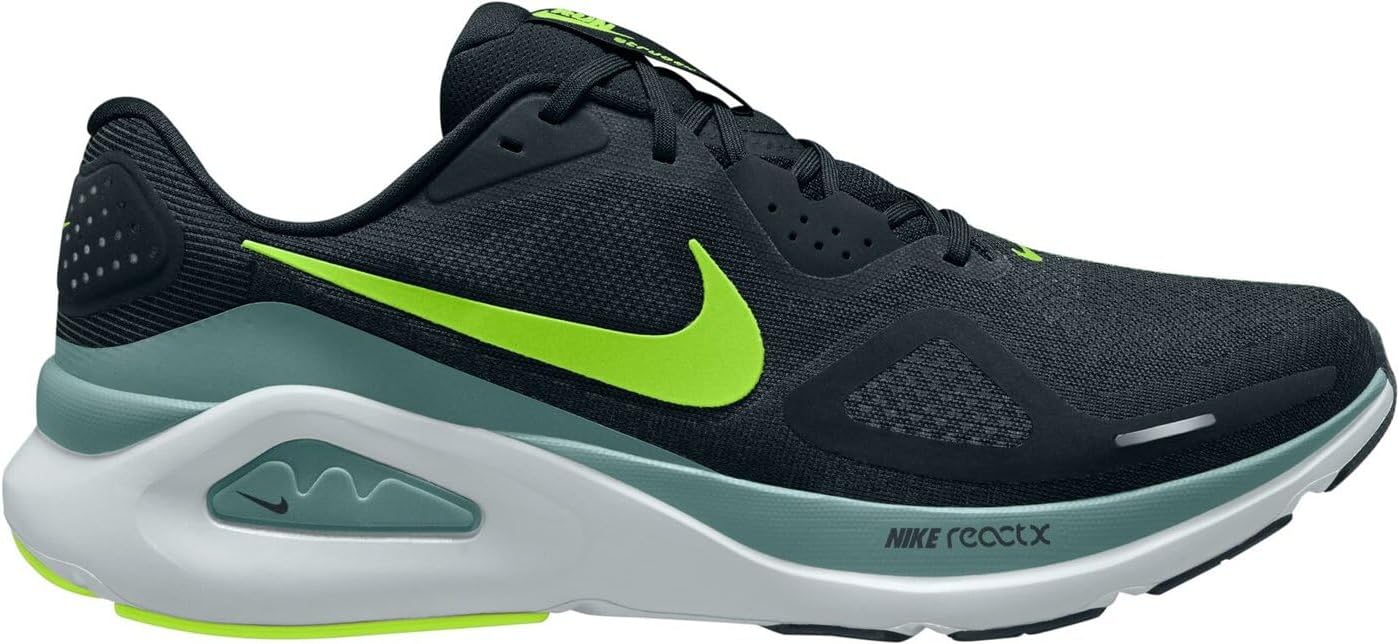
Nike Structure 26 Review
Disclosure: As an Amazon Associate, we earn from qualifying purchases. This helps support TrainingPlan at no extra cost to you.
Affiliate link - we may earn a commission
Quick Verdict
The Nike Structure 26 is a substantial supportive trainer with a much more modern construction than this article previously described. Nike uses full-length ReactX foam and a midfoot system that wraps the arch and heel. It is not built around the old formula of a hard medial post correcting a runner's stride.
That distinction matters. The best evidence supports the Structure 26 as a stable-feeling daily shoe for runners who prefer guidance, not as an injury treatment or something every person who pronates needs. Three independent exact-model reviews broadly agree on a cushioned, secure platform whose weight favors easy running and walking over speed. See our best stability running shoes guide for the wider category.
TrainingPlan has not hands-on tested this pair. This research-based assessment separates Nike's construction claims from the ride and fit observations reported by RoadTrailRun, Doctors of Running, and Running Shoes Guru.
Key Specifications
| Spec | Verified value |
|---|---|
| Category | Supportive daily road trainer |
| Cushion | Full-length ReactX |
| Heel-to-Toe Drop | 10mm |
| Weight (Men's/Women's) | 11.3oz / 9.2oz |
| Stack Height | 38mm heel / 28mm forefoot |
| Support | Wrapping midfoot support system |
| Width Options | Standard, wide, extra-wide |
| MSRP | MSRP: $145 |
Nike's weights use men's US 10 and women's US 8 reference sizes. Stack figures come from consistent independent exact-model reporting; Nike's current product page publishes the drop but not both stack measurements.
What Changed
The Structure 26 is a broad redesign. Full-length ReactX replaces the Structure 25's Cushlon 3.0 midsole and forefoot Air Zoom arrangement. Nike also increased the stack, revised the rubber layout, and added a plusher tongue and collar. Most importantly, the visible midfoot system supplies guidance around the arch and heel without the abrupt sensation associated with a classic dense post.
Doctors of Running found the forefoot smoother and more flexible than version 25, while RoadTrailRun's testers emphasized the natural integration of the support. Those observations support calling the update less intrusive; they do not prove it changes biomechanics or prevents pain.
Ride and Intended Use
ReactX gives the shoe a cushioned, controlled ride rather than a soft, unstable one. The 38/28mm platform and 10mm drop create a conventional heel-to-toe relationship, while the support geometry is most noticeable around the medial heel and midfoot. Independent reviewers differed slightly on softness but converged on a smooth daily character.
The main limiter is mass. Nike lists 11.3 ounces in a men's US 10, and all three independent reviews steer it toward easy runs, recovery-paced outings, walking, and ordinary daily training. It may handle steady efforts, but a lighter shoe such as the Nike Pegasus 41 makes more sense when pace changes are the priority.
No shoe can be assigned a medically meaningful weekly-mileage range from its specifications. Build volume according to training history, recovery, and how the shoe behaves for you.
Fit and Sizing
Nike describes a plush engineered-mesh upper, and the independent tests found secure lockdown with considerable tongue and collar padding. Doctors of Running characterized the fit as normal-to-narrow; RoadTrailRun's multiple testers reported secure fits but not one universal toe-box experience. Nike now sells exact-model wide and extra-wide versions, though sizes and colors vary.
Start with your usual Nike running size, then check toe clearance, arch pressure, and heel hold while wearing running socks. Choose a wider build rather than adding length if the standard forefoot is cramped. A high-volume foot may also notice the padded upper more than a low-volume foot.
What Works Well
- Integrated support: Guidance comes from the wrapping system and platform instead of a conspicuous hard post.
- Coherent daily ride: ReactX, the higher stack, and revised forefoot produce smoother transitions than the previous model.
- Useful width access: Wide and extra-wide versions extend the fit range beyond the standard build.
Tradeoffs
- Heavy for faster work: The men's reference weight is 11.3 ounces.
- Warm, padded upper: Several testers noted the substantial collar and tongue.
- Support is preference-dependent: A stable platform can feel reassuring, but it is not inherently better for every gait.
Who Should Consider This Shoe
- Runners who know they prefer moderate guidance around the heel and midfoot.
- Walkers and runners prioritizing a stable, cushioned platform.
- Athletes seeking one supportive shoe for easy and routine road sessions.
Who Should Look Elsewhere
- Runners wanting a light tempo or race shoe.
- Anyone comfortable in neutral trainers who dislikes guided geometry.
- Runners wanting a very soft, highly flexible underfoot feel.
Cross-Brand Comparison
The Brooks Adrenaline GTS 24 uses GuideRails to create another non-post approach to support. The ASICS Gel-Kayano 31 offers a more premium, maximal stability experience, while the Saucony Guide 17 is the better starting point for runners prioritizing lower weight. None is universally more corrective; fit and preferred ride should decide.
Same-Brand Comparison
The Structure 26 is Nike's base supportive trainer. The Nike Structure Plus adds a ZoomX-and-ReactX platform at a higher price, while the Nike Vomero 18 is a neutral cushioned alternative. Choose Structure for guidance, Structure Plus for a more premium support package, and Vomero when support geometry is unnecessary.
Value
At MSRP: $145, the Structure 26 sits near the mainstream daily-trainer market despite its specialized support construction. That is fair value if the wrapping system and broader width availability solve a real fit or ride preference. It is poor value if the shoe is being bought solely on an unsupported promise that stability footwear will fix knee, ankle, or pronation concerns.
Final Verdict
The corrected case for the Nike Structure 26 is straightforward: it is a cushioned, guided daily trainer with full-length ReactX, a 10mm drop, and a modern wrapping support system. The ride is more integrated than a traditional posted shoe, but its weight and padded build make it better for easy and everyday use than speed.
Try it because you prefer its stable geometry and secure fit—not because a generic gait label says you must. Persistent pain or a sudden change in symptoms belongs with a qualified clinician, not a shoe recommendation.
Disclosure: As an Amazon Associate, we earn from qualifying purchases. This helps support TrainingPlan at no extra cost to you.
Affiliate link - we may earn a commission
Key Takeaway
Choose the Structure 26 for integrated guidance and a cushioned, stable daily ride—not as a treatment for an injury or as a lightweight speed shoe.
Frequently Asked Questions
Does the Nike Structure 26 have a medial post?
Is the Nike Structure 26 true to size?
Is the Nike Structure 26 good for fast running?
References
- https://www.nike.com/t/structure-26-mens-road-running-shoes-M4sx9fru/IM8339-100
- https://about.nike.com/en/newsroom/releases/nike-structure-26-official-images/
- https://www.roadtrailrun.com/2025/07/nike-structure-26-multi-tester-review.html
- https://www.doctorsofrunning.com/nike-structure-26-review-2025/
- https://www.runningshoesguru.com/reviews/road/nike-structure-26-review/