
Contents
Nike Zegama 2 Review: Cushioned Grip for Long Trails
Research-based Nike Zegama 2 review covering its ZoomX ride, Vibram Megagrip outsole, verified 4mm drop, fit, technical-terrain limits, comparisons, and value.

What changed: Corrected the drop, weights, stack, MSRP, fit, and ride characterization; removed unsupported narrow, firm, trail-only, and mileage claims; removed an unverified product link; and rebuilt the review from Nike's technical release and three independent tests.
Quick Hits
- •Nike publishes a 4mm drop, 36/32mm men's stack, 4mm lugs, and reference weights of 11.3oz men's and 9.3oz women's.
- •Vibram Megagrip is the defining version-two upgrade and independent tests report substantially improved outsole confidence.
- •The cushioned, broad platform works best over long, moderate trails; weight and height reduce precision on the most technical terrain.
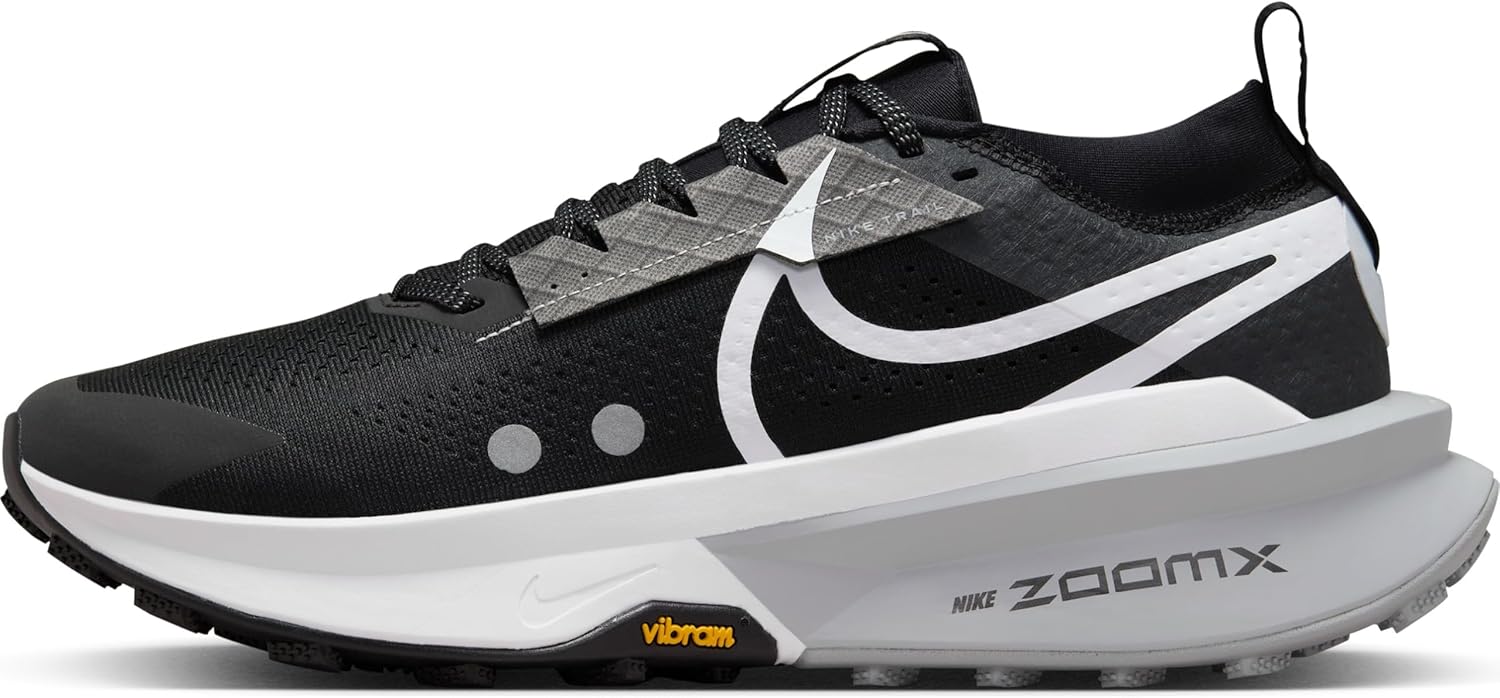
Nike Zegama 2 Review
Check Nike or a reputable running retailer for exact-model availability, condition, and return terms.
Quick Verdict
The Nike Zegama 2 is a cushioned trail workhorse built around ZoomX foam and the outsole upgrade the first version needed: Vibram Megagrip with 4mm lugs. The shoe is neither the firm, narrow, low-stack technical specialist nor the 8mm-drop model previously described here. Nike publishes a 4mm drop, a 36/32mm men's stack, and a wider anatomical footbed.
Independent testing gives the model a clear lane. RoadTrailRun, RunRepeat, and iRunFar all found the outsole and long-run comfort compelling, while weight and platform height reduce agility when terrain becomes highly technical. Think long miles on rolling singletrack, gravel, forest roads, and mixed moderate trail—not a precision racing tool. Our best trail running shoes guide covers the broader field.
TrainingPlan has not hands-on tested this exact shoe. This review uses Nike for construction and reference specifications, then independent exact-model tests for ride, fit, and traction observations.
Key Specifications
| Spec | Published value |
|---|---|
| Category | Cushioned long-distance trail shoe |
| Midsole | ZoomX with protective carrier structure |
| Heel-to-Toe Drop | 4mm |
| Weight (Men's/Women's) | 11.3oz / 9.3oz |
| Stack Height | 36mm heel / 32mm forefoot (men's) |
| Outsole | Vibram Megagrip, 4mm lugs |
| Width Options | Standard |
| MSRP | MSRP: $180 |
Nike's weights refer to men's US 10 and women's US 8; its women's stack is 35/31mm. RunRepeat measured lower absolute stack figures—30.3/26.3mm—but exactly the same 4mm drop. Different measurement methods can change absolute stack, so the table preserves Nike's published geometry and discloses the lab result rather than blending them.
What Changed
Version two replaces Nike's own outsole rubber with Vibram Megagrip and uses 4mm lugs. Nike also widened the anatomical footbed, revised the rocker, increased the amount of ZoomX, and retained a debris-blocking ankle gaiter. Those changes address the first shoe's main weaknesses: outsole confidence and a less accommodating platform.
The independent evidence supports the upgrade. RoadTrailRun highlighted the major traction improvement; RunRepeat's lab found strong outsole durability and a wider-than-average internal mold at the widest point. Better grip does not make the shoe infallible, but the case is stronger than the old article's unsourced claim about generic “aggressive lugs.”
Ride and Intended Use
ZoomX supplies a soft, cushioned center, protected by a carrier structure for trail durability. The rocker helps move the tall shoe forward, and the 4mm drop keeps heel and forefoot relatively close. Reviewers describe more comfort and bounce than ground feel. RunRepeat's lab also found a broad platform, which helps explain why the shoe can feel secure on moderate terrain despite its soft core.
That same formula creates the tradeoff. At roughly 11.3 ounces in Nike's men's reference size, the Zegama 2 is not nimble. The stack and width can become cumbersome during rapid direction changes, steep off-camber traverses, or terrain where exact foot placement matters. It is credible for long trail outings and ultras when the route suits it, but distance alone does not determine the right shoe. The trail running basics guide explains why surface and elevation matter as much as mileage.
Road use is possible during short connectors, but sustained pavement will not showcase the outsole or geometry. A true road-to-trail design such as the Nike Pegasus Trail 5 is the more balanced choice for frequent asphalt.
Fit and Sizing
Nike's wider anatomical footbed is a meaningful change from version one. RunRepeat's mold testing found the widest area slightly above its trail-shoe average, and its owner-vote data leans true to size. RoadTrailRun also reported a secure performance fit. That evidence directly contradicts the prior blanket statement that the Zegama 2 “runs narrow.”
It is still sold in standard width, and a roomier platform does not guarantee enough toe splay or midfoot volume for every foot. Start with your normal Nike trail size, verify heel hold on an incline, and leave enough front clearance for descents. Do not size up solely to create width if doing so compromises lockdown.
What Works Well
- Meaningful outsole upgrade: Vibram Megagrip and 4mm lugs improve confidence across varied trail surfaces.
- Long-run comfort: ZoomX and the high platform reduce the harshness of sustained firm ground.
- More accommodating base: The widened footbed improves stability and forefoot space relative to version one.
Tradeoffs
- Substantial weight: This is comfort-oriented rather than race-light.
- Reduced precision: Height and breadth can feel cumbersome on highly technical or off-camber ground.
- Premium launch price: MSRP: $180 is difficult to justify if the route does not use the grip and cushioning.
Who Should Consider This Shoe
- Trail runners prioritizing comfort and grip over low weight.
- Long-run and ultra runners whose routes are mostly easy to moderately technical.
- Nike ZoomX fans who want a trail-specific outsole.
Who Should Look Elsewhere
- Racers seeking a light, agile mountain shoe.
- Runners spending most of their time on pavement.
- Athletes who prefer low stack and direct ground feedback.
Cross-Brand Comparison
The HOKA Speedgoat 6 is another cushioned Vibram-equipped trail option with a more established mountain identity. The Saucony Peregrine 14 prioritizes a lighter, more direct all-around feel, while the Brooks Cascadia 18 takes a protective, traditional approach. The Zegama's distinction is the combination of soft ZoomX and dependable Vibram rubber.
Same-Brand Comparison
The Pegasus Trail 5 is the practical mixed-surface choice. The Nike Terra Kiger 9 is lower and more agile, while the Nike Wildhorse 8 occupies a more conventional protective-trail role. Choose Zegama 2 when long-trail cushioning is the priority.
Value
At its MSRP: $180 launch price, the Zegama 2 was premium. Its value improves materially on legitimate clearance, but old inventory should come with a usable return policy and enough outsole life to justify the purchase. Compare exact size, condition, and seller rather than treating any low price as equivalent.
Final Verdict
The Nike Zegama 2 succeeds as a cushioned, grippy long-trail shoe. ZoomX gives it comfort, Vibram Megagrip fixes the outsole story, and the broader platform makes it more accommodating than its predecessor. Its 4mm drop and tall geometry do not create a nimble technical racer; weight and bulk remain real limitations.
Buy it for long easy-to-moderate trails where protection and traction matter. Look to a lighter, lower shoe when precision and speed dominate.
Check Nike or a reputable running retailer for exact-model availability, condition, and return terms.
Key Takeaway
The Zegama 2 is a grip-first, cushioned long-trail shoe—not the firm, narrow technical specialist previously described on this page.
Frequently Asked Questions
What is the drop of the Nike Zegama 2?
Is the Nike Zegama 2 good on wet trails?
Is the Nike Zegama 2 for technical trails?
References
- https://about.nike.com/en/newsroom/collections/nike-running-shoes/Nike-Zegama-2
- https://www.roadtrailrun.com/2024/04/nike-zoomx-zegama-2-review-vibram.html
- https://www.runrepeat.com/nike-zegama-2
- https://www.irunfar.com/nike-zegama-2-review