
Contents
Tracksmith Eliot Ryder Review: Smooth Premium Max Cushion
The Tracksmith Eliot Ryder is a sleek max-cushion road shoe with a smooth, rockered ride. See its fit, uses, tradeoffs, comparisons, and value.

Quick Hits
- •The Eliot Ryder uses a 25mm supercritical ATPU drop-in midsole inside a 45/37.5mm max-stack chassis.
- •Believe in the Run found the ride smooth and bouncy, especially for easy runs, recovery days, and long mileage.
- •Its 9.5oz men's catalog weight, relaxed speed ceiling, and $220 MSRP prioritize premium comfort over versatility.
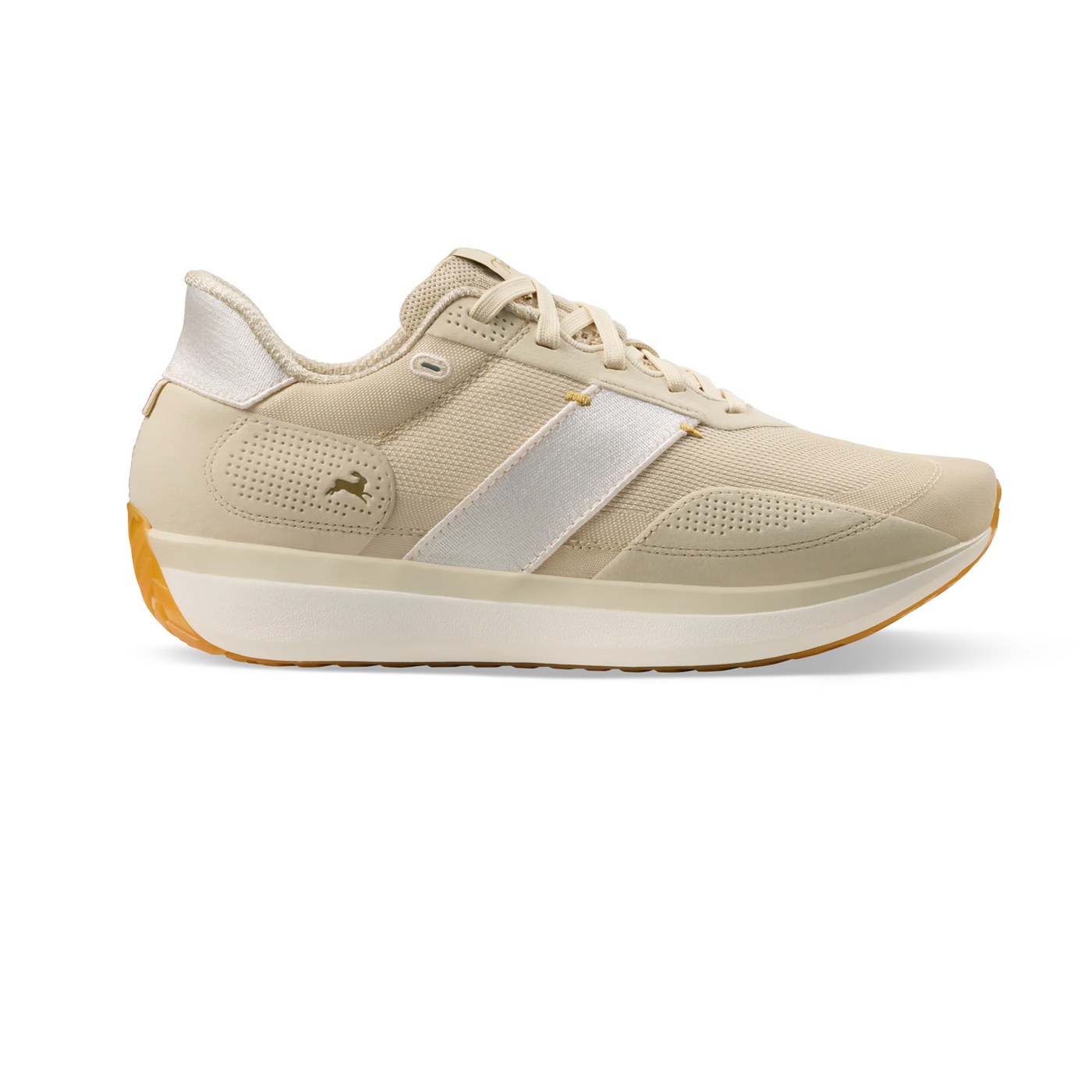
Tracksmith Eliot Ryder Review
This review combines Tracksmith's product information, TrainingPlan's current catalog, and Believe in the Run's published testing. It does not represent first-person testing by TrainingPlan. The editorial manifest does not contain a verified exact-model Amazon listing, so this draft includes no affiliate purchase link.
Quick Verdict
The Tracksmith Eliot Ryder is a premium max-cushion road shoe built around a 25mm supercritical ATPU drop-in midsole. That insert sits within a chassis and rocker that create the full 45/37.5mm catalog geometry, while an engineered woven upper and suede details give the shoe a distinctive Tracksmith finish.
Believe in the Run found the ride smooth, bouncy, and especially enjoyable for easy, recovery, and long runs. It also found little reason to choose the Ryder for speed. This is a comfort-focused mileage shoe with a design premium, not an all-session super trainer. Compare its peers in our best cushioned running shoes.
Key Specifications
| Spec | Value |
|---|---|
| Category | Daily / Long Run / Recovery |
| Cushion Level | Maximum |
| Heel-to-Toe Drop | 7mm |
| Weight (Men's/Women's) | 9.5oz / 9.2oz |
| Stack Height | 45mm heel / 37.5mm forefoot |
| Pronation Support | Neutral |
| Width Options | Standard |
| MSRP | MSRP: $220 |
| Surface | Road |
These are the exact current runtime catalog values. Believe in the Run measured 10.4oz in a men's 10.5 and 8.6oz in a women's 7.5, and cites a 7.5mm drop from the 45/37.5mm geometry. Sample sizes and rounding explain why those figures differ from catalog references.
What Changed
The Ryder expands Tracksmith's Eliot footwear line into maximum cushioning. Its 25mm supercritical ATPU drop-in midsole is nested in a supportive chassis rather than exposed as one conventional slab. The chassis and rocker shape guide the tall platform through transition.
This is a new use-case direction, not merely an aesthetic variant of the original Eliot Runner. Stack, intended pace, and underfoot construction all move toward recovery and long-run comfort while preserving the brand's understated visual language.
Ride and Intended Use
Believe in the Run describes the Ryder as buttery smooth and bouncy. The drop-in ATPU supplies softness and response, while the rocker prevents the 45mm heel from feeling completely static. The ride settles naturally into easy rhythm rather than demanding a faster turnover.
Recovery days, easy mileage, and long runs are the clearest uses. The independent test did not consider it especially versatile at speed, and the catalog weight supports that boundary. Our best recovery running shoes and best long-run shoes show alternatives at different prices and weights.
Fit and Sizing
The engineered woven upper aims for secure structure with a refined exterior, and suede accents reinforce the lifestyle-aware design. Believe in the Run's test weights show that sizing context meaningfully affects the on-foot mass.
Only standard width is cataloged. Runners should begin with normal length but confirm that the woven upper allows enough forefoot volume and that the heel stays secure during the rockered transition. Wide-footed buyers have fewer adjustment options than in multi-width trainers.
What Works Well
- Smooth cushioning: The ATPU insert and rocker create an easy, long-duration rhythm.
- Clear recovery purpose: The shoe does not obscure its preference for relaxed mileage.
- Managed high stack: A chassis supports the drop-in midsole and guides transition.
- Distinctive finish: Woven material and suede produce a more polished look than many max-cushion trainers.
Tradeoffs
- Limited speed range: Independent testing found the Ryder much better at easy paces than fast sessions.
- Premium cost: The MSRP: $220 MSRP includes a significant design and brand premium.
- Standard width only: There is no cataloged wide option.
- Substantial build: The high stack and weight will not please runners who prefer flexible, unobtrusive shoes.
Who Should Consider This Shoe
- Runners seeking smooth max cushioning for easy and long days.
- Tracksmith customers who value understated design alongside performance.
- Neutral runners comfortable with a tall, rockered platform.
Who Should Look Elsewhere
- Buyers wanting one shoe for recovery, intervals, and racing.
- Wide-footed runners who need a dedicated width option.
- Value-focused runners who do not care about premium materials or styling.
Cross-Brand Comparison
The On Cloudmonster versus Hoka Bondi guide contrasts two recognizable max-cushion approaches. The Ryder offers a smoother ATPU drop-in construction and more understated appearance, but at a premium price. The ASICS Gel-Nimbus versus Nike Vomero guide contains more mainstream comfort-first alternatives.
Same-Brand Comparison
The current TrainingPlan library has no direct Eliot Runner review, so the useful internal comparison is category-based. The New Balance 1080 v15 is a more mainstream soft daily trainer, while the ASICS Gel-Nimbus 28 competes directly for premium easy-mile comfort. The Ryder differentiates through its insert and design.
Value
At MSRP: $220, the Eliot Ryder is expensive for a non-racing road shoe. Its value depends on whether the smooth ATPU ride, distinctive construction, and refined upper matter enough to outweigh limited speed versatility. Runners focused only on cushioning can find lower-cost alternatives; buyers who want the full package may see the premium differently.
Final Verdict
The Tracksmith Eliot Ryder succeeds at its chosen job. It is smooth, cushioned, and composed during easy and long running, with a rocker and chassis that help manage the very tall platform. Its restrained design also stands apart from more overtly technical max-cushion shoes.
The Ryder is not light, fast, wide, or inexpensive. Those are meaningful limits, not minor footnotes. Choose it when premium comfort and design are the priorities; choose a versatile super trainer when one shoe must cover every pace.
Key Takeaway
The Eliot Ryder is a polished, smooth max-cushion cruiser for easy and long miles, but its premium price and limited speed versatility make it most attractive to runners who value comfort and design equally.
Frequently Asked Questions
What runs suit the Tracksmith Eliot Ryder?
How does the Tracksmith Eliot Ryder fit?
Is the Tracksmith Eliot Ryder a stability shoe?
References
- https://www.tracksmith.com/na/pages/tracksmith-eliot-ryder
- https://believeintherun.com/shoe-reviews/tracksmith-eliot-ryder-review/