
Contents
Best Recovery Running Shoes for 2026: Six Current Picks
Compare six current recovery running shoes for easy days, including cushioning, drop, fit, support, weight, and stable catalog MSRP.

What changed: Added a direct answer and immediate decision evidence, and expanded the source record so every ride and fit claim is tied to exact-model manufacturer or independent evidence.
Quick Hits
- •ASICS Gel-Nimbus 28 is the balanced maximum-cushion pick for controlled easy mileage.
- •New Balance 1080v15 and HOKA Clifton 11 offer the broadest width ranges in this shortlist.
- •Saucony Hurricane 26 adds a stability designation without giving up maximum cushioning.
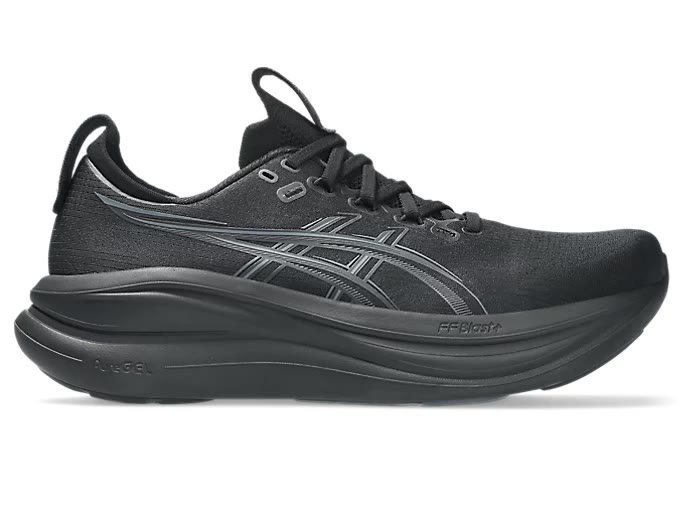
Top pick
ASICS Gel-Nimbus 28
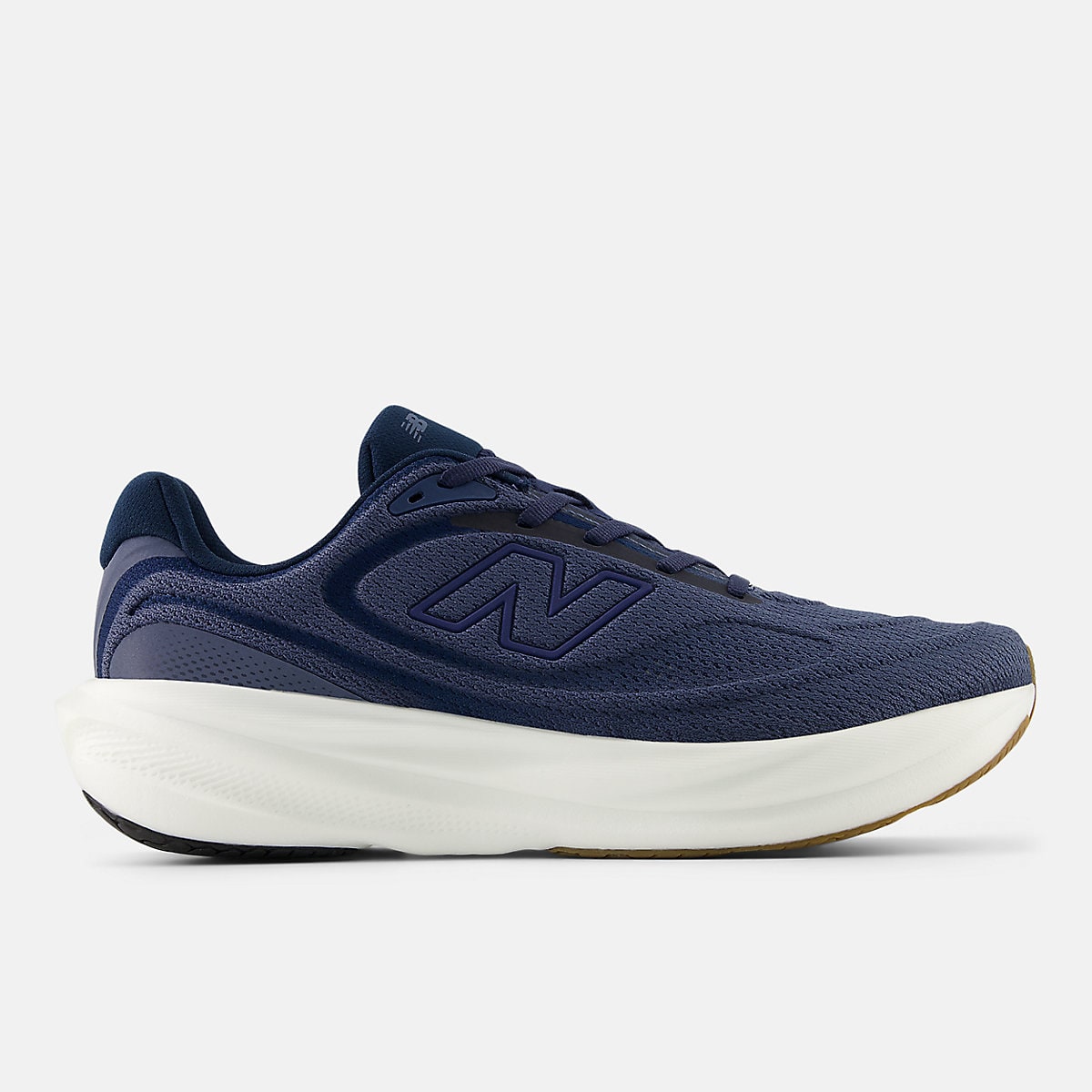
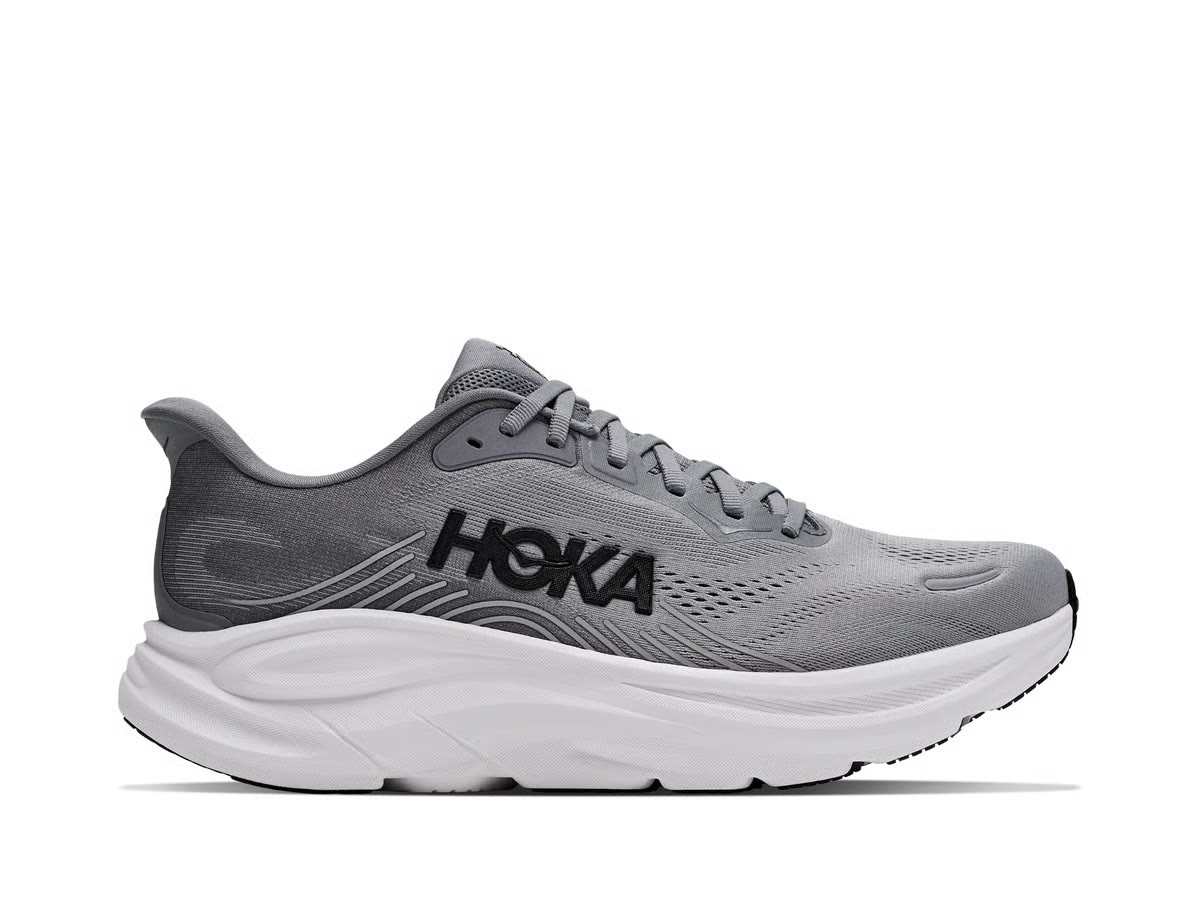
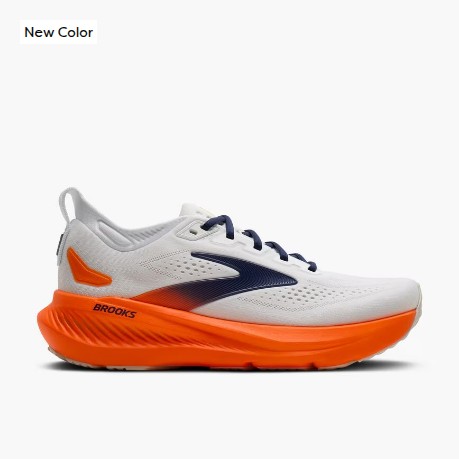
Curated lineup from our audited shoe database.
Best Recovery Running Shoes for 2026
Decision Evidence
| Recovery preference | Best starting point | Evidence and main limit |
|---|---|---|
| Controlled cushion | ASICS Gel-Nimbus 28 | 43.5/35.5mm maximum cushion with a predictable ride; standard and wide only |
| Maximum width access | New Balance 1080v15 | Narrow through extra-wide at 9.2oz; midfoot hold can vary |
| Lighter max cushion | HOKA Clifton 11 | Four width categories and 43/35mm at 9.2oz; limited rebound |
| Traditional plush | Brooks Glycerin 23 | Three widths and familiar 8mm geometry; heavier than 1080v15 and Clifton 11 |
| Guided geometry | Saucony Hurricane 26 | Stability-designated 41/35mm platform; prominent arch feel can divide fit |
| Tall soft cruiser | Saucony Paramount Max | 46/40mm IncrediRUN platform; MSRP: $200, bulky, and specialized |
Recovery shoes are comfort-first road shoes for genuinely easy running. They do not need to feel slow, and more foam is not automatically better. The useful question is whether the fit, transition, and level of guidance let you settle into an easy rhythm.
Comparison Table
| Shoe | Cushion | Drop | Weight (men/women) | Stack (heel/forefoot) | Widths | Stable catalog MSRP |
|---|---|---|---|---|---|---|
| Gel-Nimbus 28 | Maximum | 8mm | 9.9oz / 8.5oz | 43.5mm / 35.5mm | Standard, Wide | MSRP: $170 |
| 1080v15 | High | 6mm | 9.2oz / 7.8oz | 40mm / 34mm | Narrow–Extra-Wide | MSRP: $170 |
| Clifton 11 | Maximum | 8mm | 9.2oz / 8.0oz | 43mm / 35mm | Narrow–Extra-Wide | MSRP: $155 |
| Glycerin 23 | High | 8mm | 10.6oz / 9.5oz | 38mm / 30mm | Standard–Extra-Wide | MSRP: $175 |
| Hurricane 26 | Maximum | 6mm | 9.2oz / 8.1oz | 41mm / 35mm | Standard, Wide | MSRP: $170 |
| Paramount Max | Maximum | 6mm | 9.9oz / 8.7oz | 46mm / 40mm | Standard, Wide | MSRP: $200 |
MSRP values are stable catalog references, not live prices.
How We Chose
The shortlist uses the current 2026 catalog, exact published review routes, manufacturer specifications, and independent review evidence. We favored shoes explicitly categorized for recovery and/or long runs, then separated them by fit, guidance, geometry, and ride character. No selection is a medical recommendation or a promise about service life.
1. ASICS Gel-Nimbus 28 — Best Overall
The Nimbus combines a 43.5/35.5mm maximum-cushion stack with an 8mm drop. Independent feedback describes a controlled cruiser rather than an especially springy shoe, which suits runners who want predictable easy-day transitions. Standard and wide versions cover common fits, though the thinner tongue makes careful lacing worthwhile.
Choose it for a conventional high-stack recovery feel. Skip it if narrow or extra-wide sizing is essential or if you prefer a more flexible platform.
2. New Balance 1080v15 — Best Width Range
At 9.2 ounces for men and 7.8 ounces for women, the 1080v15 is lighter than several plush alternatives. Its narrow, standard, wide, and extra-wide options make it the most adaptable fit starting point here. The 6mm drop and 40/34mm geometry also create a less heel-biased profile than the Nimbus or Clifton.
Some independent feedback notes variable midfoot hold, so width choice should not replace an actual lockdown check.
3. HOKA Clifton 11 — Best Lighter Maximum Cushion
The Clifton 11 pairs a 43/35mm stack with the same broad width range as the 1080. Its 9.2-ounce men's catalog weight is modest for a maximum-cushion shoe, and its catalog roles span daily, long, and recovery running.
It fits runners who want a smooth, controlled ride with plenty of underfoot material. Runners seeking a highly energetic tempo feel should compare the best lightweight running shoes.
4. Brooks Glycerin 23 — Best Traditional Plush Trainer
The Glycerin 23 uses an 8mm drop, a 38/30mm stack, and three width options. It is heavier than the 1080 and Clifton, but its familiar daily-trainer geometry makes it easy to position as a comfortable road-mileage shoe rather than a specialized platform.
Choose it when upper comfort and width choice matter more than minimizing weight. Compare its guided counterpart in our best stability running shoes.
5. Saucony Hurricane 26 — Best Guided Option
Hurricane 26 is the only stability-designated maximum-cushion shoe in this six. Its 41/35mm platform, 6mm drop, and 9.2-ounce men's weight provide a distinct alternative for runners who prefer guidance through geometry.
Support preference is individual; a stability label does not diagnose gait needs. Compare the Hurricane with the other current choices in our best cushioned running shoes.
6. Saucony Paramount Max — Best Tallest-Stack Cruiser
Paramount Max reaches 46mm at the heel and 40mm at the forefoot. It is neutral, offered in standard and wide, and carries a MSRP: $200 stable catalog MSRP. That makes it the most specialized and expensive recovery cruiser in this shortlist.
Choose it only if the tall 6mm-drop geometry is the feature you actually want. The lower-priced alternatives cover more conventional daily-training roles.
Fit, Use, and Rotation Advice
Try recovery shoes with the socks used on easy and long runs. Confirm heel hold, toe clearance, and midfoot security before comparing softness. If one pair already handles comfortable easy and long mileage, a separate recovery shoe may duplicate the same role.
For a broader rotation, pair a comfort-first shoe with a genuinely different option from our best daily trainers or best 5K racing shoes.
Key Takeaway
Start with fit and ride preference: Gel-Nimbus 28 is the controlled all-rounder, 1080v15 and Clifton 11 lead on widths, Hurricane 26 adds guidance, and Paramount Max offers the tallest stack.
Frequently Asked Questions
What makes a shoe suitable for a recovery run?
Is the softest recovery shoe always the best?
Can one recovery shoe also handle long runs?
References
- https://www.doctorsofrunning.com/asics-gel-nimbus-28-review-2026/
- https://www.asics.com/us/en-us/gel-nimbus-28/p/ANA_1011C127-001.html
- https://www.outdoorgearlab.com/reviews/shoes-and-boots/running-shoes-men/asics-gel-nimbus-28
- https://www.newbalance.com/pd/1080v15/M10803S0-D-075.html
- https://www.tomsguide.com/wellness/running/we-ran-60-miles-in-the-new-balance-1080v15-heres-our-verdict
- https://au.hoka.com/products/clifton-11-1176572-gctc-gctc
- https://www.rtings.com/running-shoes/reviews/hoka/clifton-11
- https://www.brooksrunning.com/en_us/mens/shoes/road-running-shoes/glycerin-23/110476.html
- https://www.solereview.com/brooks-glycerin-23-review/
- https://www.saucony.com/en/hurricane-26/61249M.html
- https://believeintherun.com/shoe-reviews/saucony-hurricane-26-review/
- https://www.saucony.com/en/paramount-max/61251M.html
- https://believeintherun.com/shoe-reviews/saucony-paramount-max-review/