
Contents
Best Marathon Training Shoes for 2026: Seven Current Picks
Build a 2026 marathon shoe rotation with seven current daily, long-run, recovery, stability, and workout options using exact catalog specs.

What changed: Added a direct answer and role-by-role decision evidence; verified the recommendation set against the current shoe catalog and cited exact-model sources.
Quick Hits
- •The ASICS Novablast 6 is the most complete one-shoe training option, covering daily, speed, and long-run categories.
- •The ASICS Superblast 3 and Puma Deviate Nitro 4 cover faster long runs and workouts with very different plate-free and plated rides.
- •The Gel-Nimbus 28 and HOKA Clifton 11 cover easy distance, while the Saucony Hurricane 26 adds stability.
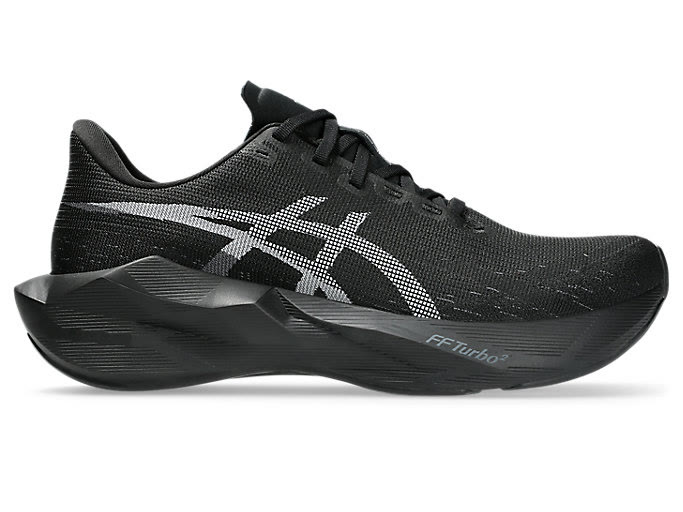
Top pick
ASICS Novablast 6
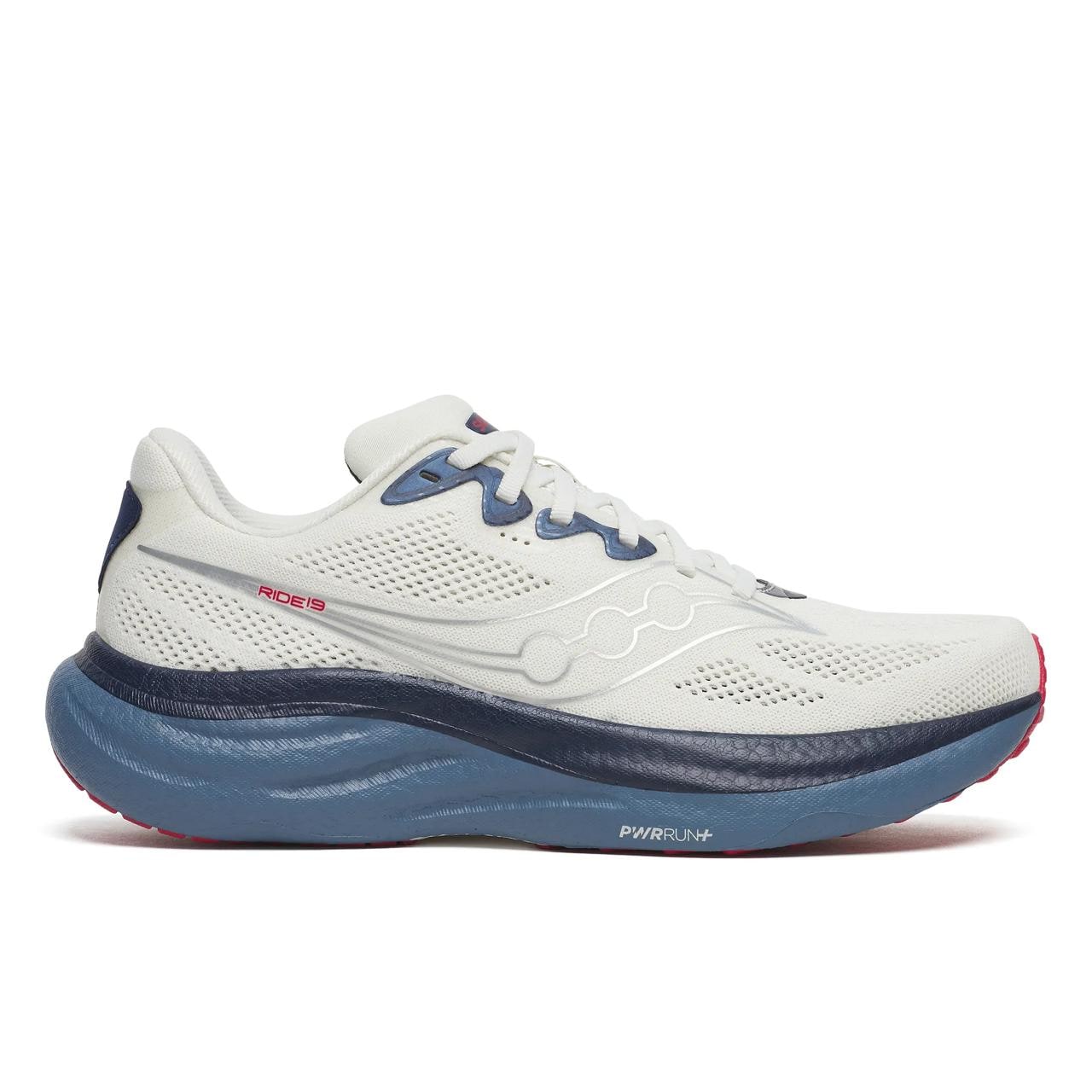
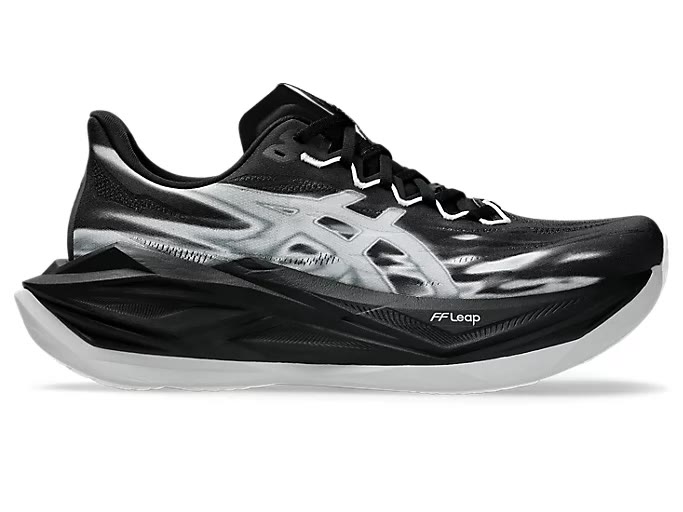
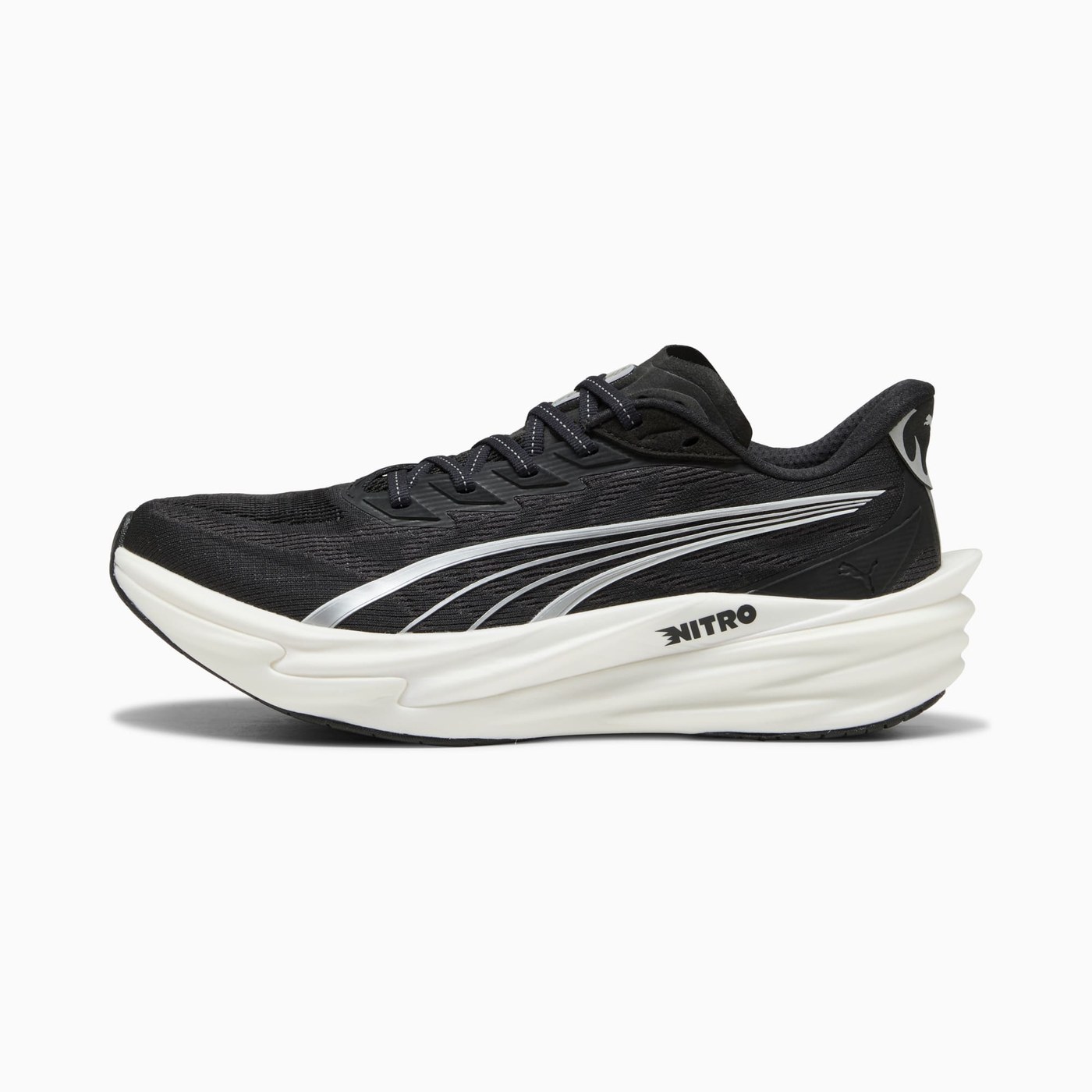
Curated lineup from our audited shoe database.
Best Marathon Training Shoes for 2026
Decision Evidence
| Training decision | Best starting point | Evidence and main limit |
|---|---|---|
| One-pair training | ASICS Novablast 6 | Daily, speed, and long-run catalog roles at 8.8oz; not a dedicated racer |
| Traditional daily | Saucony Ride 19 | 38/30mm, 8mm, and MSRP: $145 MSRP; independent testing was less positive on very long runs |
| Faster long runs | ASICS Superblast 3 | 8.1oz at 46/38mm and works across long and faster running; MSRP: $210 and one width |
| Plated workouts | Puma Deviate Nitro 4 | Carbon-composite plate for directed workouts; firmer and less general-purpose |
| Easy and recovery | ASICS Gel-Nimbus 28 | Daily, long, and recovery roles; controlled rather than speed-oriented |
| Broad width access | HOKA Clifton 11 | Narrow through extra-wide and 43/35mm; independent testing found limited rebound |
| Guided mileage | Saucony Hurricane 26 | Stability-designated daily, long, and recovery option; arch and upper fit can vary |
Weights are audited men's catalog values; the Superblast uses a unisex figure. Prices are MSRP.
Marathon training includes easy runs, long runs, workouts, and recovery days. These are role-based options, not a claim that every runner needs three pairs. The shortlist uses the audited 2026 catalog and attributed exact-model evidence; TrainingPlan has not hands-on tested every model.
How We Chose
Every model has a current review and a catalog role relevant to marathon preparation. We separated daily, long, recovery, stability, and workout uses; evaluated fit access and MSRP; and bounded ride claims to manufacturer and independent exact-model evidence. No mileage lifespan or injury-reduction promise is assumed.
Our long-run shoe guide goes deeper on distance days. The half-marathon guide covers race-oriented choices.
1. ASICS Novablast 6 — Best One-Shoe Rotation
The Novablast 6 uses FF BLAST MAX with a forefoot FF TURBO SQUARED insert. Tom's Guide found it useful from easy mileage through controlled tempo work.
Daily, speed, and long-run categories make it the most complete single-pair option here. It is neutral and not a dedicated race shoe.
2. Saucony Ride 19 — Best Traditional Daily Workhorse
The Ride 19 uses PWRRUN+ in a familiar 38/30mm, 8mm-drop platform. RTINGS found true-to-size fit and useful forefoot bounce, with less consistency on very long runs.
Choose it for routine mileage, then add a specialist only if the training plan creates a clear need.
3. ASICS Superblast 3 — Best Faster Long-Run Shoe
The plate-free Superblast combines FF LEAP and FF BLAST PLUS at 46/38mm. Tom's Guide found it energetic across long and faster running.
Its low 8.1-ounce unisex catalog weight supports progression and marathon-pace sessions. Standard-only width and MSRP: $210 MSRP narrow the value case.
4. Puma Deviate Nitro 4 — Best Plated Workout Shoe
The Deviate Nitro 4 uses a carbon-composite PWRPLATE and Nitrofoam Elite. Running Warehouse recommends it primarily for interval work from mile to half-marathon pace.
It is firmer and more directed than an everyday trainer. Use it when workout structure justifies a plated second shoe.
5. ASICS Gel-Nimbus 28 — Best Controlled Easy Shoe
The Nimbus combines FF BLAST PLUS and rearfoot PureGEL. OutdoorGearLab emphasized comfort rather than speed.
Its daily, long, and recovery roles make it a calm mileage partner to a faster shoe.
6. HOKA Clifton 11 — Best Fit Breadth
The Clifton 11 is cataloged in narrow through extra-wide and spans daily, long, and recovery categories. RTINGS found substantial cushioning with restrained energy return.
Choose it when width access and a maximum-cushion neutral platform matter more than workout speed.
7. Saucony Hurricane 26 — Best Stability Option
The Hurricane pairs IncrediLUX with a broad stability cradle. Believe in the Run found a plush, smooth ride while reporting mixed responses to the arch and upper.
It covers daily, long, and recovery roles. The support system should feel natural; the stability label is not a medical instruction.
Building a Rotation
A simple rotation can pair one daily or easy shoe with one workout shoe. A third recovery shoe is optional, not mandatory. Choose roles your schedule actually uses, and confirm every pair fits before assigning it many hours of training.
Final Takeaway
The Novablast 6 is the broadest one-shoe choice, while the Ride 19 is the conventional daily anchor. Superblast 3 and Deviate Nitro 4 cover faster work through plate-free and plated approaches. Nimbus 28, Clifton 11, and Hurricane 26 provide easy-mile cushioning and distinct fit or stability options. For the full category map, use our best running shoes of 2026.
Key Takeaway
Start with the Novablast 6 or Ride 19 for daily work, add the Superblast 3 or Deviate Nitro 4 for faster sessions, and choose Nimbus 28, Clifton 11, or Hurricane 26 when easy-mile cushioning or stability is the priority.
Frequently Asked Questions
What is the best one-shoe marathon trainer?
Do I need a shoe rotation for marathon training?
Is a marathon training shoe also a race shoe?
References
- https://www.asics.com/jp/ja-jp/novablast-6/p/1011C243-002.html
- https://www.tomsguide.com/wellness/running/asics-novablast-6-review
- https://www.saucony.com/en/ride-19/60823M.html
- https://www.rtings.com/running-shoes/reviews/saucony/ride-19-orange
- https://www.asics.com/us/en-us/superblast-3/p/ANA_1013A177-001.html
- https://www.tomsguide.com/wellness/running/asics-superblast-3-review
- https://www.asics.com/us/en-us/gel-nimbus-28/p/ANA_1011C127-001.html
- https://www.outdoorgearlab.com/reviews/shoes-and-boots/running-shoes-men/asics-gel-nimbus-28
- https://au.hoka.com/products/clifton-11-1176572-gctc-gctc
- https://www.rtings.com/running-shoes/reviews/hoka/clifton-11
- https://www.saucony.com/en/hurricane-26/61249M.html
- https://believeintherun.com/shoe-reviews/saucony-hurricane-26-review/
- https://us.puma.com/us/en/pd/deviate-nitro-4-mens-road-running-shoes/312123
- https://www.runningwarehouse.com/reviews/puma-shoe-reviews/puma-deviate-nitro-4.html