
Contents
Best Running Shoes for High Arches: 2026 Comfort and Fit Guide
Compare current neutral running shoes for high arches by cushioning, fit, width, and geometry without promising injury prevention or universal support.

Quick Hits
- •High arches can be painless; arch height alone does not identify one correct running-shoe category.
- •Compare upper volume, width, underfoot comfort, and geometry rather than assuming maximum softness is required.
- •A newly changing arch or new, persistent, or worsening pain warrants qualified clinical evaluation.
Top pick
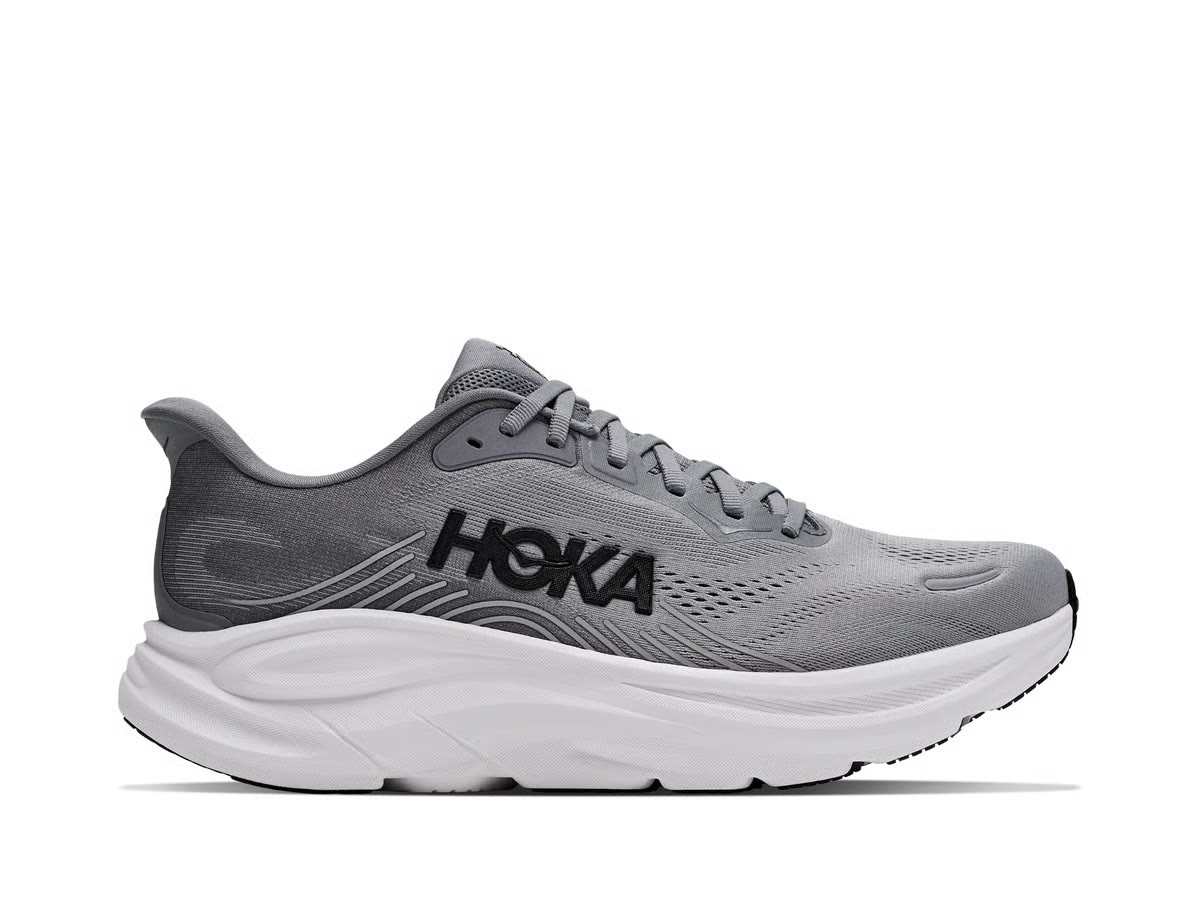
HOKA Clifton 11
Curated lineup from our audited shoe database.
Best Running Shoes for High Arches: 2026 Comfort and Fit Guide
A high arch can be a painless foot shape or part of a more complex condition. The Royal National Orthopaedic Hospital explains that pes cavus does not flatten under weight bearing and may be associated with pressure areas or instability. A newly changing arch; new, persistent, or worsening pain; weakness; or changed function warrants qualified clinical evaluation.
No running shoe is proven medically suitable for every high-arched foot. This guide compares neutral shoes that provide distinct fit and cushioning choices; it does not claim they correct foot structure or prevent injury.
Medical Context and Evidence Boundary
Cleveland Clinic's medically reviewed high-arch overview notes that special shoes or inserts may help position the foot more comfortably in symptomatic cases. That does not establish one running-shoe design for every runner.
Cochrane also found that shoe selection from foot posture did not reduce running injuries in the reviewed military evidence. The shortlist therefore prioritizes variety and try-on quality.
Fit Priorities
High insteps may need more upper volume, while some high-arched feet are also narrow and others are broad. Check:
- pressure from laces, tongue, or eyestays over the instep;
- secure heel hold without aggressive collar contact;
- adequate forefoot width and toe clearance;
- a cushioning feel that remains controlled at running pace.
Current Shoe Shortlist
1. HOKA Clifton 11 — Four-Width Maximum-Cushion Option
The HOKA Clifton 11 review documents an 8mm, 43/35mm neutral platform with narrow through extra-wide sizing. Independent testing found strong heel cushioning and more consistent forefoot cushioning than the prior version, but little bounce.
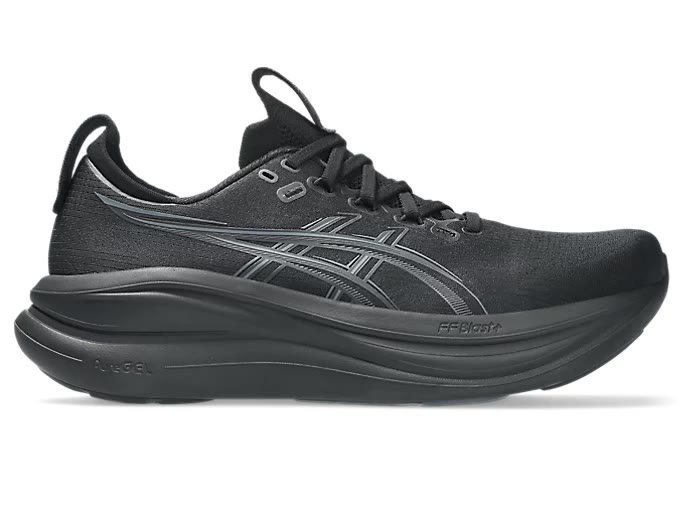
2. ASICS Gel-Nimbus 28 — Controlled Maximal Option
The Gel-Nimbus 28 review describes maximum cushioning, an 8mm drop, and a controlled rather than highly springy ride. Standard and wide versions cover fewer shapes than the Clifton.
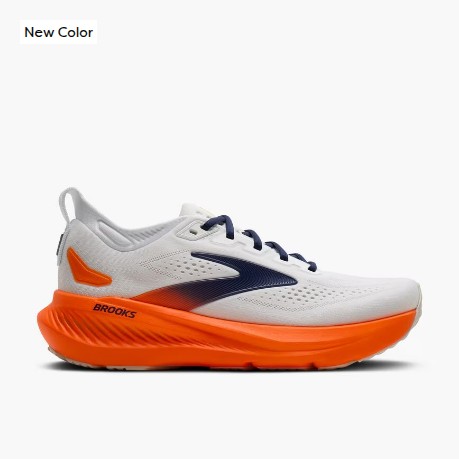
3. Brooks Glycerin 23 — Accommodating Broad-Width Option
The Brooks Glycerin 23 review covers a smooth 38/30mm DNA Tuned platform in three widths. Its warm upper and limited lateral support are relevant if heat or a planted feel matters.
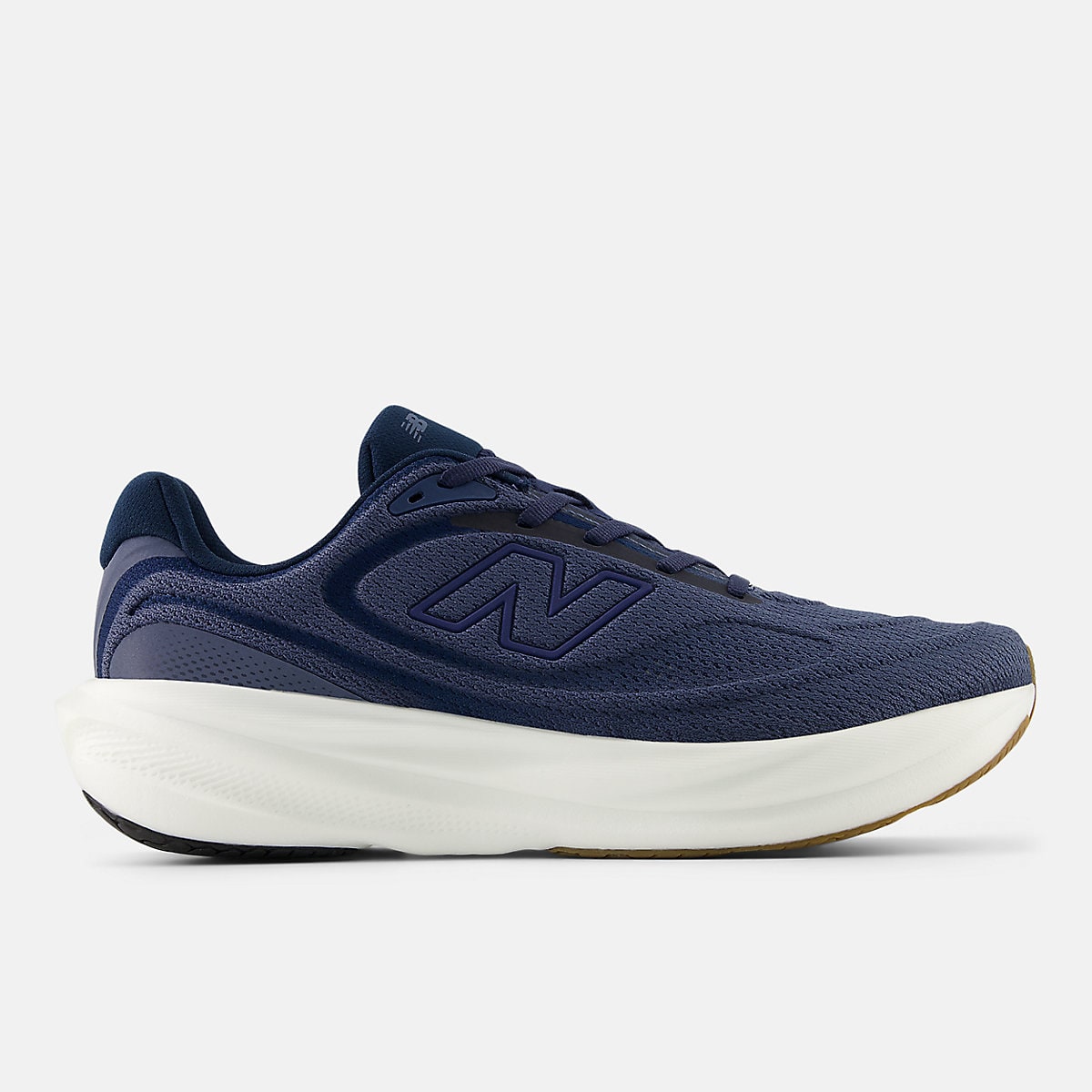
4. New Balance 1080v15 — Lighter 6mm Option
The New Balance 1080v15 review documents a 9.2oz men's weight, 6mm drop, and four widths. Independent reviewers differed on midfoot security, making a real try-on especially important.
5. Brooks Ghost 18 — Traditional 10mm Option
The Brooks Ghost 18 review provides a lower-stack, 10mm contrast to the maximal shoes above. It comes in four widths, although independent measurements found a tapered toe box.
Current Comparison Table
| Shoe | Cushion | Drop | Stack (heel/forefoot) | Support | Widths | MSRP |
|---|---|---|---|---|---|---|
| HOKA Clifton 11 | Maximum | 8mm | 43/35mm | Neutral | Narrow–extra-wide | MSRP: $155 |
| ASICS Gel-Nimbus 28 | Maximum | 8mm | 43.5/35.5mm | Neutral | Standard, wide | MSRP: $170 |
| Brooks Glycerin 23 | High | 8mm | 38/30mm | Neutral | Standard–extra-wide | MSRP: $175 |
| New Balance 1080v15 | High | 6mm | 40/34mm | Neutral | Narrow–extra-wide | MSRP: $170 |
| Brooks Ghost 18 | High | 10mm | 36/26mm | Neutral | Narrow–extra-wide | MSRP: $150 |
How to Choose
Begin with upper volume, not a marketing claim about arch support. Loosen or change lacing only if heel security remains intact. Compare a moderate and a maximum stack at easy pace, because more foam can feel either comfortable or unstable depending on the runner. If an orthosis is prescribed, fit the shoe with that device in place.
Key Takeaway
High arches are not a shoe prescription. Compare these current neutral trainers by fit, width, cushioning character, and familiar geometry.
Frequently Asked Questions
Do high arches always require neutral running shoes?
Is maximum cushioning always best for high arches?
When should high arches be assessed?
References
- https://www.doctorsofrunning.com/asics-gel-nimbus-28-review-2026/
- https://www.rnoh.nhs.uk/patients-and-visitors/patient-information-guides/post-operative-advice-following-pes-cavus-correction
- https://my.clevelandclinic.org/health/diseases/high-arch-feet-pes-cavus
- https://www.cochrane.org/evidence/CD013368_running-shoes-preventing-lower-limb-running-injuries-adults