
Contents
Best Running Shoes for Plantar Fasciitis: 2026 Comfort Guide
Compare current running shoes by heel comfort, cushioning, drop, fit, and support preference when plantar heel pain affects footwear choices.

Quick Hits
- •No running shoe treats plantar fasciitis; current clinical guidance uses a broader assessment and rehabilitation plan.
- •Compare heel contact, overall fit, familiar drop, and support preference rather than assuming maximum stack is best.
- •New, persistent, or worsening heel pain warrants qualified clinical evaluation because not all heel pain is plantar fasciitis.
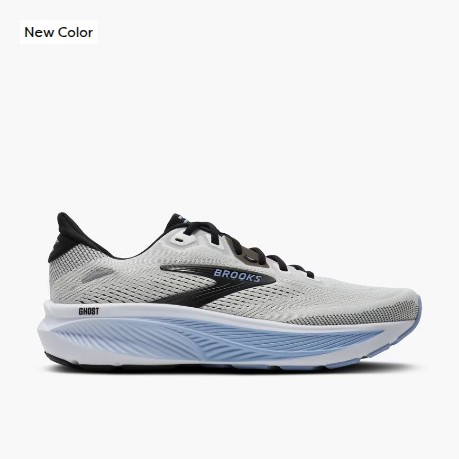
Top pick
Brooks Ghost 18
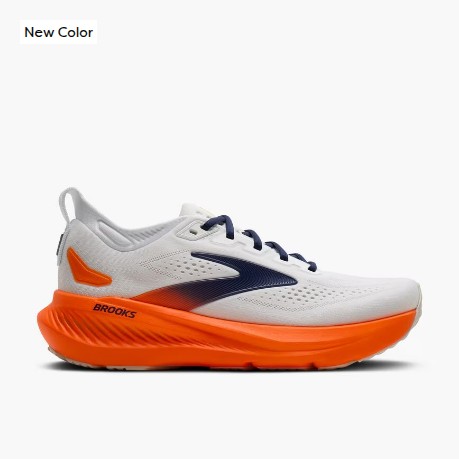
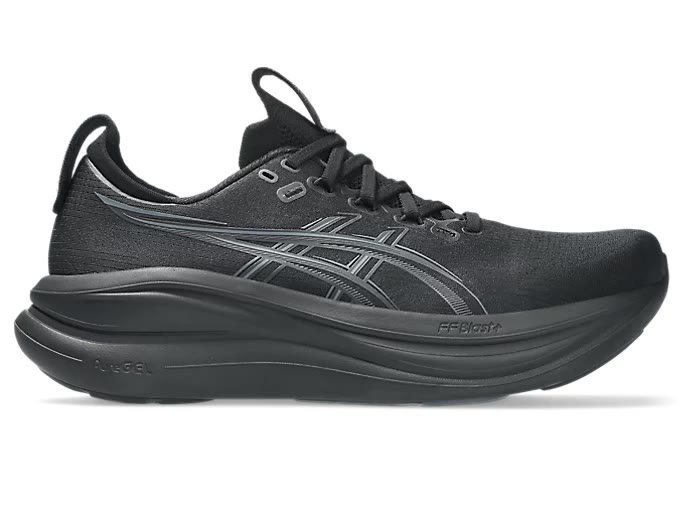
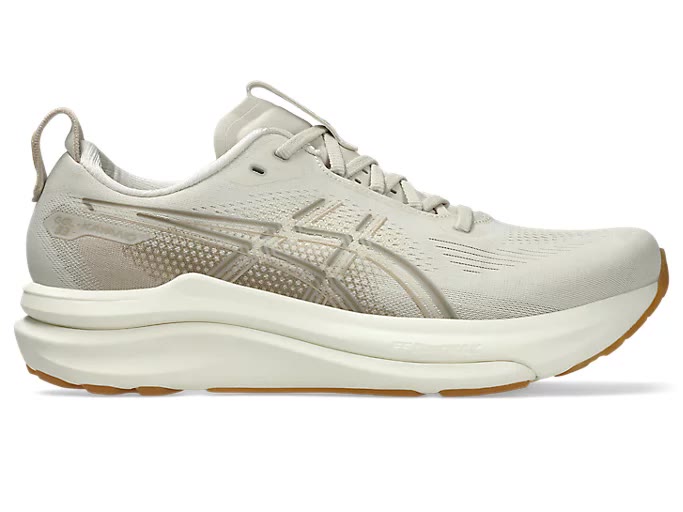
Curated lineup from our audited shoe database.
Best Running Shoes for Plantar Fasciitis: 2026 Comfort Guide
Plantar heel pain has multiple possible causes, and not every painful heel is plantar fasciitis. The 2023 clinical practice guideline addresses assessment and interventions such as stretching, manual therapy, taping, and orthoses in defined contexts; it does not designate a running-shoe model as treatment.
This guide compares current footwear traits only. New, persistent, or worsening heel pain warrants evaluation by a qualified clinician.
Medical Context and Evidence Boundary
The AAOS plantar-fasciitis overview notes that well-fitting shoes and heel cushioning may be useful parts of symptom management. That is not evidence that maximum-cushion running shoes heal the fascia or that one arch shape is medically necessary.
Cochrane's review of running shoes and injury prevention also cautions against broad prevention claims based on shoe category.
Footwear Comfort Priorities
During a clinician-approved try-on, compare:
- heel-collar and insole contact at the painful area;
- enough width and volume for the whole foot;
- a drop close to the runner's familiar geometry;
- a platform that feels controlled rather than unstable;
- space for any clinician-prescribed insert.
Current Shoe Shortlist
1. Brooks Ghost 18 — Traditional 10mm Choice
The Brooks Ghost 18 review documents a 36/26mm platform, padded upper, and four width choices. It provides a familiar 10mm geometry for runners who do not want a sudden drop change.
2. Brooks Glycerin 23 — Substantial Broad-Width Option
The Brooks Glycerin 23 review covers an 8mm DNA Tuned platform and smooth easy-run transitions. Its accommodating fit is balanced by a warm upper and limited lateral support.
3. ASICS Gel-Nimbus 28 — Controlled Maximum Cushion
The Gel-Nimbus 28 review describes a maximum-cushion 42/34mm platform with rearfoot PureGEL. Independent testing found a controlled ride rather than exceptional bounce.
4. ASICS Gel-Kayano 33 — Guided Maximum-Cushion Alternative
The Gel-Kayano 33 review adds FLUIDSUPPORT guidance to an 8mm platform. It belongs on the comparison only for runners who prefer stability structure; plantar pain alone does not indicate that need.
5. HOKA Bondi 8 — Low-Drop Rockered Alternative
The HOKA Bondi 8 review provides a 4mm, 38/34mm contrast with a broad base and Meta-Rocker. Its much lower drop is not an automatic upgrade and should not be introduced abruptly.
Current Comparison Table
| Shoe | Cushion | Drop | Stack (heel/forefoot) | Support | Widths | MSRP |
|---|---|---|---|---|---|---|
| Brooks Ghost 18 | High | 10mm | 36/26mm | Neutral | Narrow–extra-wide | MSRP: $150 |
| Brooks Glycerin 23 | High | 8mm | 38/30mm | Neutral | Standard–extra-wide | MSRP: $175 |
| ASICS Gel-Nimbus 28 | Maximum | 8mm | 43.5/35.5mm | Neutral | Standard, wide | MSRP: $170 |
| ASICS Gel-Kayano 33 | Maximum | 8mm | 39/31mm | Stability | Standard, wide | MSRP: $170 |
| HOKA Bondi 8 | Maximum | 4mm | 38/34mm | Neutral | Standard, wide | MSRP: $165 |
How to Choose
Start with fit and familiar geometry. Walk in the shoe and check first-step comfort, then use only the running exposure permitted by the care plan. Avoid making simultaneous changes to drop, insert, and training volume because that makes the response difficult to interpret.
Key Takeaway
Use these five current models to compare heel contact, drop, width, and support sensation. A comfortable shoe may support activity, but it is not a plantar-fasciitis treatment.
Frequently Asked Questions
Can running shoes cure plantar fasciitis?
Is maximum cushioning always best for plantar fasciitis?
When should heel pain be evaluated?
References
- https://www.doctorsofrunning.com/asics-gel-nimbus-28-review-2026/
- https://doi.org/10.2519/jospt.2023.0303
- https://orthoinfo.aaos.org/globalassets/pdfs/planter-fasciitis.pdf
- https://www.cochrane.org/evidence/CD013368_running-shoes-preventing-lower-limb-running-injuries-adults