
Contents
Salomon Aero Glide 2 Review: Tall, Smooth Road Cushion
Research-based Salomon Aero Glide 2 review covering its 37.4/27.4mm stack, 10mm drop, 9.5/8.1oz weights, Energy Foam, fit, and lab measurements.

What changed: Corrected drop, stack, price and cushion class; documented a material lab geometry conflict, removed unsupported brand claims, and quarantined Amazon.
Quick Hits
- •Salomon specifies 37.4/27.4mm, a 10mm drop, and 9.5/8.1oz weights.
- •A laboratory measured 35.5/24.2mm and 11.3mm, especially lower at the forefoot.
- •The ride is smooth and protective but less energetic than some $160 competitors.
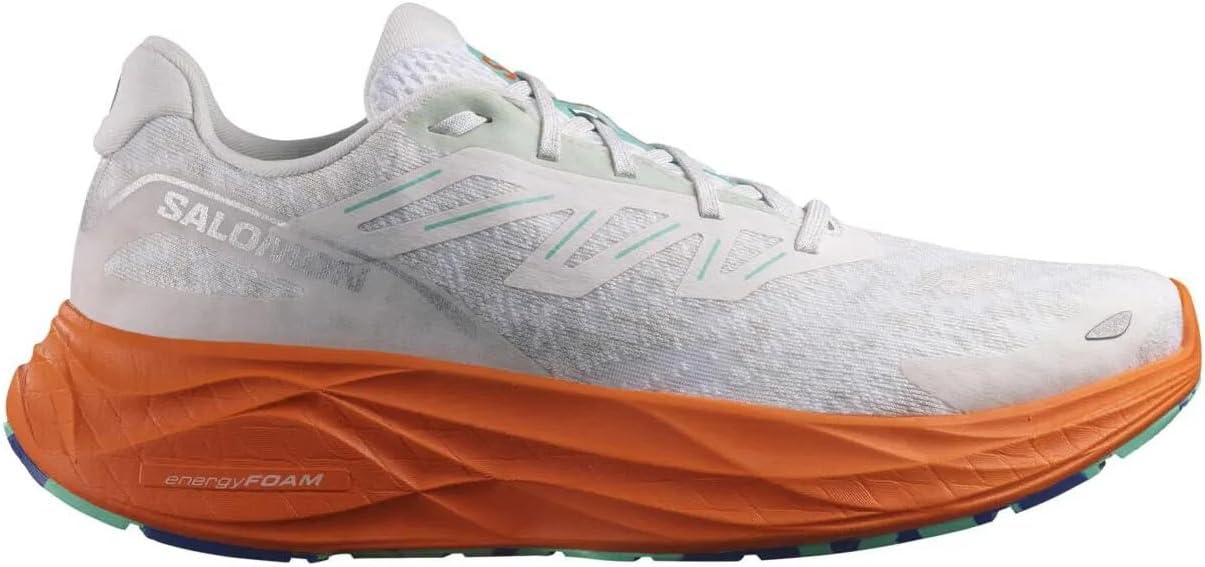
Salomon Aero Glide 2 Review: Tall, Smooth Road Cushion
Disclosure: TrainingPlan has not hands-on tested this exact model. This research-based review uses Salomon's exact specifications and three independent exact-model evaluations. No Amazon US listing is currently verified for publication.
Quick Verdict
The Salomon Aero Glide 2 is a neutral high-cushion road trainer built around Energy Foam and Reverse Camber geometry. Salomon's exact product page and seasonal technical catalog specify 37.4mm at the heel, 27.4mm at the forefoot, a 10mm drop, and reference weights of 270g for men and 230g for women—about 9.5 and 8.1 ounces. Launch MSRP was MSRP: $160.
Its primary strengths are a smooth rocker, secure upper, and substantial heel cushioning. It is a conventional-drop daily trainer rather than a road-racing shoe or trail hybrid. The Energy Foam ride is controlled instead of highly explosive, which can suit easy and steady running but makes the original price harder to justify for runners prioritizing rebound. Aero Glide 4 now supersedes it.
Key Specifications
| Specification | Audited catalog value |
|---|---|
| Category | Neutral high-cushion road trainer |
| Heel-to-Toe Drop | 10mm |
| Weight (Men's/Women's) | 9.5oz / 8.1oz brand reference weights |
| Stack Height | 37.4mm heel / 27.4mm forefoot |
| Midsole | Energy Foam |
| Geometry | Reverse Camber rocker |
| Upper | 3D mesh with SensiFit |
| Outsole | Road Contagrip |
| Width Options | Standard |
| MSRP | MSRP: $160 at launch |
| Release | February 2024; superseded |
What Changed
The former article called Aero Glide 2 a moderate-cushion, 8mm-drop, 35/27mm, MSRP: $140 shoe. It relied on generic claims about Salomon quality and prescribed weekly mileage without exact-model evidence. The audited runtime values are high cushion, 10mm, 37.4/27.4mm, and MSRP: $160. Its 9.5/8.1-ounce references were already correct.
The new review replaces brand reputation with actual construction and independent findings. It also removes a live Amazon destination that lacks a dated title match to exact Aero Glide 2 inventory. The ASIN remains quarantined until verification rather than being presented as a current buying link.
The Material Stack Conflict
RunRepeat's laboratory review measured 35.5mm at the heel, 24.2mm at the forefoot, and an 11.3mm drop. The forefoot is 3.2mm lower than Salomon's published 27.4mm, making this a material conflict rather than normal rounding. The heel and measured drop also differ.
TrainingPlan retains Salomon's technical-catalog geometry as the runtime specification and shows the laboratory sample here. The numbers should not be averaged: sample size, insole inclusion, measurement point, and method can produce distinct results. Anyone choosing the shoe specifically for forefoot stack should consider the independently measured context.
Ride and Intended Use
Energy Foam is an EVA/olefin-based compound paired with Reverse Camber, Salomon's curved rocker geometry. The tall heel compresses and rolls forward smoothly, while the broad platform avoids feeling as precarious as a narrow stack might. Doctors of Running's review describes a stable neutral ride with guidance from sidewalls, rocker, and a secure rearfoot.
The foam is more protective than propulsive. RunRepeat recorded low energy return for the price, which supports classifying Aero Glide 2 as an easy-to-steady daily trainer instead of a tempo or racing model. It can accommodate longer outings for runners who enjoy its geometry, but no stack measurement establishes a universal distance or weekly volume.
The 10mm brand drop is conventional and heel-friendly in feel for many runners, though that is not a medical recommendation. Forefoot strikers may notice the thinner measured front more than heel strikers. Comfort is individual and should be evaluated in the intended pace range.
Fit and Sizing
The 3D mesh upper uses SensiFit structure to wrap the midfoot, a padded heel, and conventional laces. RoadTrailRun's multi-tester review found a comfortable, secure upper and smooth overall package. The fit is less narrow than some historical Salomon trail models but remains offered in standard width.
Start true to size and inspect toe clearance, heel hold, midfoot pressure, and lace length. A secure upper can help manage a tall platform, but runners with broad or high-volume feet should not infer a wide option from flexible mesh. The shoe-fit guide explains how to evaluate the whole last.
Outsole and Use Cases
Road Contagrip covers the pavement-facing surface and provides reliable dry-road traction with useful durability. The outsole and upper are not designed as a technical-trail system. Smooth park paths may be reasonable, but wet mud, loose slopes, and sharp trail debris call for dedicated lugs and protection.
Aero Glide 2 is best positioned for easy runs, steady aerobic mileage, walking, and runners who prefer a tall heel and visible rocker. It is less compelling for speed sessions, runners seeking a low drop, or anyone who wants a flexible low-profile shoe.
What Works Well
The tall heel, smooth rocker, secure upper, and reliable Road Contagrip create a stable-feeling neutral package for steady pavement running.
Tradeoffs
Substantial rubber and a structured upper make the construction more robust than many lightweight trainers, but no universal mileage promise is justified. Surface, gait, rotation, climate, and storage affect outsole and foam wear. Monitor rubber, foam feel, upper hold, and emerging asymmetry with the replacement guide.
Energy return is modest for the price, the 10mm drop is not versatile for every preference, and only standard width is listed.
Who Should Consider This Shoe
Consider it if you want a tall, high-drop neutral trainer with secure hold and a smooth rocker for easy or steady road running.
Who Should Look Elsewhere
Look elsewhere for a low drop, wide sizing, trail capability, flexible ground feel, or a lively speed-day response.
Cross-Brand Comparison
The ASICS Gel-Nimbus 26 is heavier and more traditionally plush. The New Balance Fresh Foam X 1080 v14 offers a softer, more flexible feel and broader width availability. The On Cloudgo is lower, lighter, and firmer, with an even higher 11mm drop.
Same-Brand Comparison
Aero Glide 4 is the current family successor. Version numbers do not guarantee unchanged fit, foam, or geometry, so compare exact specifications.
Value
The original MSRP: $160 price was difficult against livelier competitors. Aero Glide 2 makes more sense at a legacy discount when its secure, rockered ride is the priority.
Final Verdict
Salomon Aero Glide 2 is a high-cushion neutral road trainer with a 37.4/27.4mm brand stack, 10mm drop, Energy Foam, and a secure rockered ride. A lab's materially lower forefoot result belongs in the decision. Choose it for smooth protection and conventional geometry—not for trail crossover or leading energy return at its original MSRP: $160 price.
Key Takeaway
Choose Aero Glide 2 for a tall, secure and smoothly rockered road ride—not for trail use, low-drop geometry, or class-leading energy return.
Frequently Asked Questions
What is the Salomon Aero Glide 2 drop?
Is Aero Glide 2 a stability shoe?
Is Aero Glide 2 a trail shoe?
References
- https://www.salomon.com/en-ca/product/aero-glide-2-li5600/L47427100
- https://runrepeat.com/salomon-aero-glide-2
- https://www.doctorsofrunning.com/salomon-aero-glide-2-review-2024/
- https://www.roadtrailrun.com/2024/03/salomon-aero-glide-2-review-4.html