
Contents
The North Face VECTIV Enduris 3 Review: Verified Specs and Use Cases
Research-based VECTIV Enduris 3 review covering its verified 6mm drop, 31/25mm stack, forked TPU plate, fit, trail use, limitations, and value.

What changed: Corrected the drop, stack, weights, MSRP, materials, lifecycle, image, and positioning; removed an unverified Amazon link and unsupported mileage guidance.
Quick Hits
- •The verified brand geometry is 31mm at the heel and 25mm at the forefoot for a 6mm drop.
- •VECTIV 2.0 uses a forked TPU plate here, not the carbon plate found in Summit race models.
- •Enduris 3 is superseded by Enduris 4 and is best considered as discounted old stock.
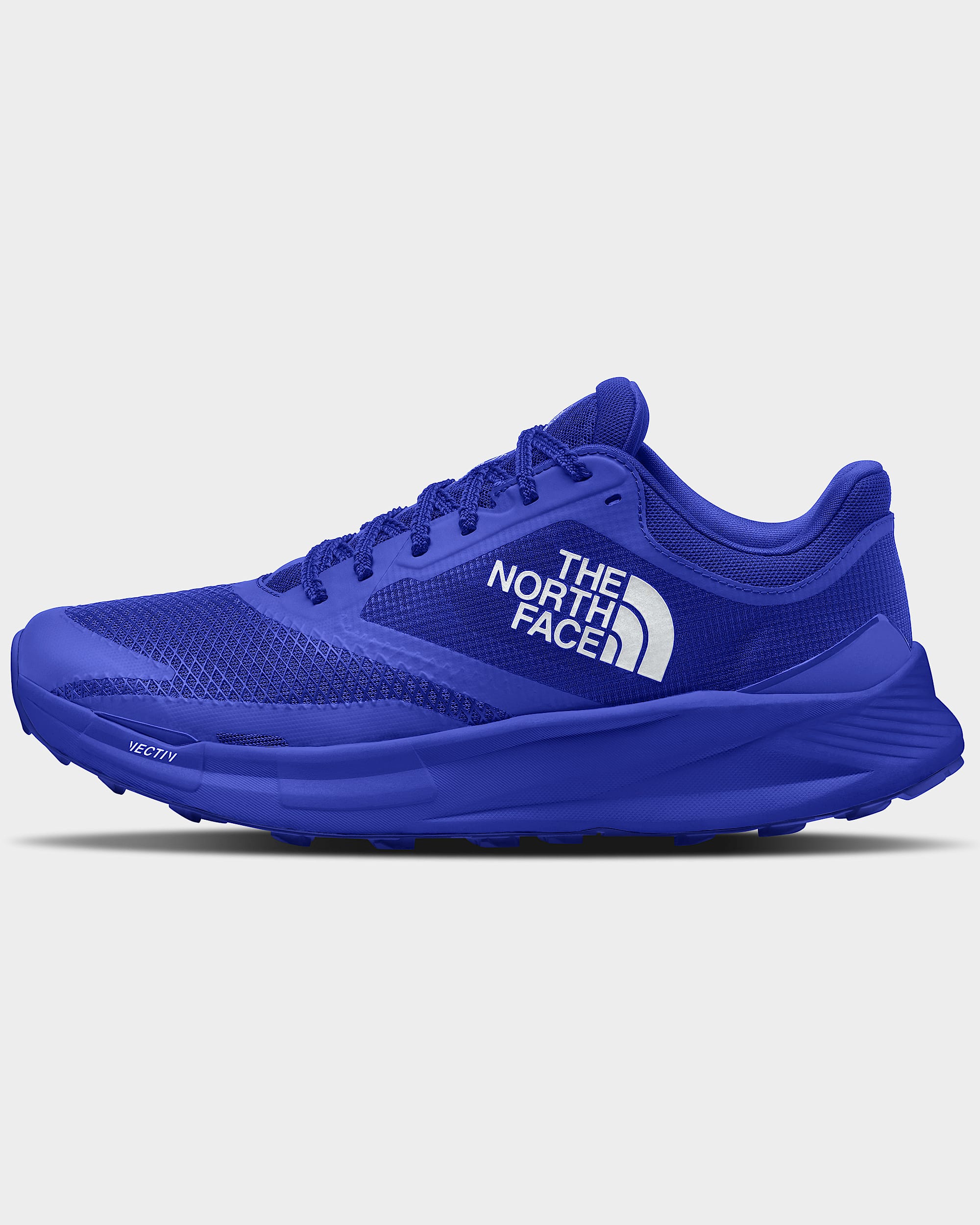
The North Face VECTIV Enduris 3 Review: Verified Specs and Use Cases
Disclosure: TrainingPlan has not hands-on tested this exact model. This research-based review uses manufacturer and independent exact-model evidence. No Amazon listing is currently verified for publication.
Quick Verdict
The North Face VECTIV Enduris 3 is a cushioned trail trainer built around a dual-density midsole, rocker geometry, and a forked VECTIV 2.0 TPU plate. It is not a carbon-plated Summit racer and it is no longer the current Enduris generation. Those distinctions matter because the previous article overstated its geometry, price, weight, and plate technology while showing a photograph of the Enduris 4.
With the record repaired, the Enduris 3 makes sense for runners who want protection and a stable-feeling roll on ordinary trails. It is less convincing for runners seeking a light, flexible shoe for short technical races. Old stock can be useful, but only when the listing clearly identifies generation 3 and the discount compensates for discontinued status.
Key Specifications
| Specification | Verified catalog value |
|---|---|
| Category | Cushioned neutral trail trainer |
| Midsole / plate | Dual-density foam / forked 3D TPU plate |
| Heel-to-Toe Drop | 6mm |
| Weight (Men's/Women's) | 10.8oz / 8.7oz reference values |
| Stack Height | 31mm heel / 25mm forefoot |
| Outsole | Surface CTRL rubber, 3.5mm lugs |
| Width Options | Standard |
| MSRP | MSRP: $150 launch reference |
The North Face's exact Enduris 3 page supplies the 31/25mm geometry, VECTIV 2.0 construction, and outsole details. Some independent references print 30/24mm, a one-millimeter difference that may reflect convention or rounding. The catalog follows the brand figure and records the discrepancy.
What Changed
Enduris 3 moved to the VECTIV 2.0 platform, using a forked plate intended to provide lateral displacement and a rolling transition without the stiffness of the Summit carbon models. The updated last also targeted a more accommodating standard-width fit. Its successor, Enduris 4, later changed the package again.
The audit replaces the prior 8mm drop, 36/28mm stack, 11.2-ounce men's weight, MSRP: $159 price, and generic “rocker plate” language. It also replaces the wrong Enduris 4 image and removes an Amazon URL that was never verified as the exact generation.
Ride and Intended Use
The ride combines cushioning with guidance from the plate and rocker. Believe in the Run describes a relatively stable, protective trail platform, while Trail Run Magazine provides additional exact-model trail context. The result is better suited to comfortable daily trail mileage and longer steady efforts than to rapid direction changes.
Surface CTRL rubber with 3.5mm lugs is a versatile, moderate-tread setup. It can handle maintained singletrack, gravel, and mixed dry trail conditions, but deep mud and very loose terrain generally reward taller, more widely spaced lugs. Our trail-shoe guide separates these use cases.
Fit and Sizing
The updated D-width last is more conventional than a narrow racing last, yet it remains a standard-width shoe rather than a true wide offering. Lockdown should be assessed through the heel and midfoot before assuming extra toe-room alone creates a secure fit. RunRepeat's lab review also shows why sample measurements and brand specifications should not be treated as identical methods.
Try the shoe with the socks used on long trail days, and prioritize a seller with returns because aging discontinued stock can vary. The shoe-selection guide explains how to compare fit without relying on support labels as medical advice.
What Works Well
- Protective cushioning for routine and longer trail efforts.
- A broad, stable-feeling base without a traditional medial post.
- Moderate lugs that transition across maintained trail and gravel.
- TPU plate guidance without the rigidity of a carbon race plate.
Tradeoffs
- Heavier and less agile than dedicated trail racers.
- Standard width only in the audited generation.
- Moderate lugs are not specialized for deep mud.
- Superseded inventory raises questions about age and return terms.
Who Should Consider This Shoe
Consider Enduris 3 if you prefer a protective 6mm-drop trail shoe, run mostly maintained or moderately technical routes, and value a guided rolling transition. It can also suit runners who find minimalist trail shoes too exposed underfoot. The key is buying the actual third generation rather than an unlabeled or mixed-generation listing.
Who Should Look Elsewhere
Look elsewhere if low weight, ground feel, wide sizing, or highly technical agility comes first. The Summit VECTIV Sky 2 is the faster carbon-plated option, while the HOKA Speedgoat 6 offers a different high-cushion trail formula. Neither is automatically better; each serves a different fit and terrain problem.
Cross-Brand Comparison
Compared with the Saucony Xodus Ultra 3, Enduris 3 uses a forked TPU plate and a shallower 3.5mm lug pattern, whereas the Xodus combines a PWRRUN PB core, protective frame, rock plate, and 4mm PWRTRAC lugs. Both prioritize protection, but their fit, foam character, and transitions differ enough to warrant trying them rather than choosing by stack alone.
Same-Brand Comparison
Within The North Face line, Enduris 3 is the training-oriented choice. Summit VECTIV models reduce weight and use carbon-fiber structures for racing. Enduris 4 is the true successor, so a retailer presenting generation 3 as current should not command current-generation pricing.
Value
At its MSRP: $150 launch price, Enduris 3 competed directly with established trail trainers. As discontinued stock, its value depends on a meaningful discount, exact identification, storage condition, and return policy. A low price cannot rescue the wrong size or a mislabeled Enduris 4 photograph.
Final Verdict
The VECTIV Enduris 3 is a credible cushioned trail trainer with a 6mm drop, moderate lugs, and a forked TPU plate that promotes a controlled roll. Its strength is steady protection, not nimble racing. The corrected record now shows the right shoe, specifications, and lifecycle so readers can judge old stock on its actual merits.
Key Takeaway
Consider the Enduris 3 for a protective, stable-feeling trail ride at a meaningful discount, but choose a lighter and more agile shoe for technical racing.
Frequently Asked Questions
Does the VECTIV Enduris 3 have a carbon plate?
What is the VECTIV Enduris 3 drop?
Is the VECTIV Enduris 3 a technical-trail racer?
References
- https://www.thenorthface.com/en-us/p/mens/mens-footwear/mens-trail-run-213281/mens-tnf-x-ikb-vectiv-enduris-3-shoes-NF0A8AA7
- https://believeintherun.com/shoe-reviews/the-north-face-vectiv-enduris-3-review/
- https://runrepeat.com/the-north-face-vectiv-enduris-3
- https://www.trailrunmag.com/2023/08/23/shoe-review-the-north-face-enduris3/