
Contents
ASICS Fuji Lite 4 Review: Corrected Stack and Weight
Research-based ASICS Fuji Lite 4 review covering its 32.7/28.7mm stack, 4mm drop, 9.5/8.2oz weights, FF BLAST ride, grip, fit, and limitations.

What changed: Corrected both weights and stack heights, removed minimal-shoe and medical claims, clarified the absent rock plate, and quarantined the Amazon listing.
Quick Hits
- •ASICS documents 270/232g and 32.7/28.7mm, not 8.8/7.6oz and 26/22mm.
- •The 4mm-drop platform is flexible and has no rock plate.
- •Fuji Lite 7 is current, making v4 a legacy-value purchase.
ASICS Fuji Lite 4 Review: Corrected Stack and Weight
Disclosure: TrainingPlan has not hands-on tested this exact model. This research-based review uses an exact ASICS product page, ASICS' AW23 technical brochure, and an independent exact-model review. No Amazon US listing is currently verified for publication.
Quick Verdict
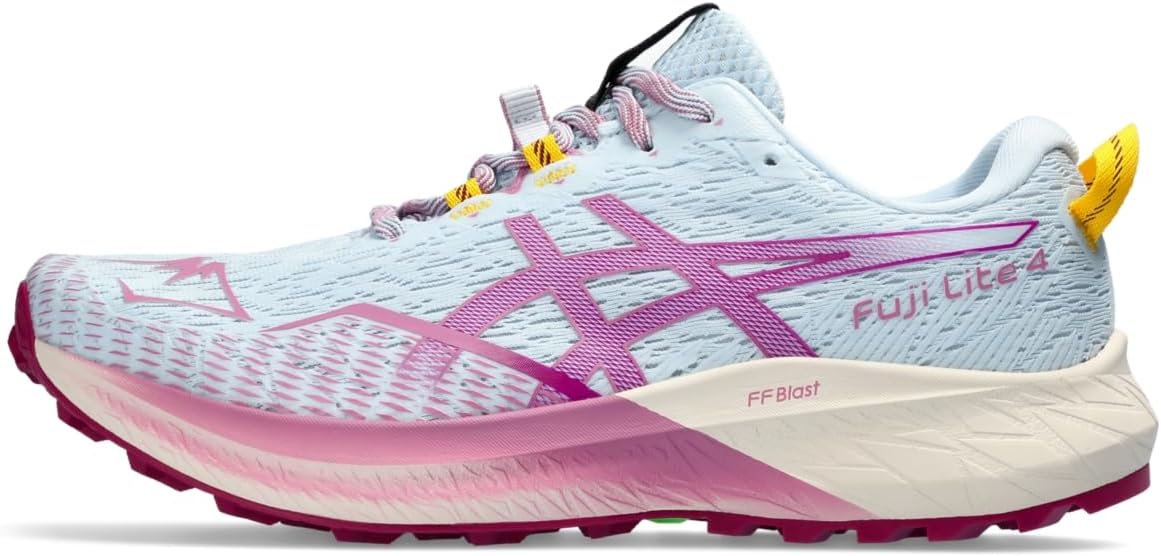
The ASICS Fuji Lite 4 is a neutral, unplated trail trainer designed around flexibility and an agile ride. It uses bio-content FF BLAST foam, a recycled engineered-mesh upper, a lace garage, and ASICSGRIP rubber. Contrary to our former low-stack description, ASICS' technical brochure specifies 32.7mm at the heel and 28.7mm at the forefoot for men, producing a 4mm drop. Reference weights are 270g for men and 232g for women—approximately 9.5 and 8.2 ounces.
Its distinguishing feature is not minimalism. It is the combination of moderate stack, flexible construction, good rubber, and no plate. That works well on rolling trails, compact dirt, wooded paths, and faster daily efforts. It is less suitable when a rock plate, deep mud lugs, or a labeled wide fit is essential.
Key Specifications
| Specification | Audited catalog value |
|---|---|
| Category | Neutral trail trainer |
| Heel-to-Toe Drop | 4mm |
| Weight (Men's/Women's) | 9.5oz / 8.2oz brand reference weights |
| Stack Height | 32.7mm heel / 28.7mm forefoot |
| Midsole | Bio-content FF BLAST |
| Plate | None |
| Outsole | ASICSGRIP trail rubber |
| Width Options | Standard |
| MSRP | Approximately MSRP: $140 at launch |
| Release | 2023; superseded |
ASICS' exact product page confirms the 4mm drop, 270g men's reference, neutral classification, FF BLAST foam, technical mesh, and ASICSGRIP outsole.
What Changed
The prior catalog said 26/22mm and 8.8/7.6 ounces. Those values materially understated the documented stack and both reference weights. Runtime and article data now use 32.7/28.7mm and 9.5/8.2 ounces. The cushion classification moves from low to moderate, and wording that called the shoe minimal has been removed.
We also removed medical exclusion language. The absence of a rock plate is a construction fact; it does not justify declaring the shoe unsuitable for a named condition. The former Amazon URL is quarantined because its legacy audit did not preserve a dated exact Fuji Lite 4 title and ASIN match.
Ride and Intended Use
FF BLAST gives the shoe more underfoot material than the old article suggested, but the platform still bends naturally because there is no plate. Running Shoes Guru's exact-model review describes a versatile shoe for daily mid-distance trail use and reports approximately 33/29mm geometry. That rounded independent figure is consistent with ASICS' precise 32.7/28.7mm technical data.
The 4mm offset and flexible forefoot favor runners who already enjoy lower-drop geometry. They do not require a particular foot strike, and a low drop is not inherently better. If most of your current shoes have much higher offsets, introduce the Fuji Lite according to comfort and overall training load rather than an arbitrary adaptation schedule.
Grip and Protection
ASICSGRIP is the main technical asset. The outsole is designed for wet and dry trail traction, while its directional layout suits varied grades. It can also tolerate short paved connectors better than a very deep, soft-ground lug pattern.
There is no dedicated rock plate. The 28.7mm forefoot stack provides meaningful separation from the ground, but sharp repeated impacts can still feel more direct than in a plated technical shoe. For broken rock, scree, or long technical descents, compare options in the trail running shoe guide.
Fit and Sizing
ASICS offered standard width for this generation. The engineered mesh aims to balance breathability and hold, and the tongue wing plus lace garage help keep the upper organized on trails. An independent reviewer found a relatively roomy toe area, but that experience should not be generalized into a labeled wide fit.
Start true to size and check downhill toe clearance, heel security, and forefoot pressure. A standard last that feels roomy to one tester can still be restrictive for another foot shape. The shoe-fit guide covers useful checks.
What Works Well
The Fuji Lite 4 offers a simple, coherent design: flexible foam, no hidden plate, a breathable upper, and high-quality trail rubber. Its moderate stack can handle more daily running than a truly minimal shoe while retaining useful ground feedback. It is also lighter on foot than many protective trail trainers even after correcting the understated old weight.
Tradeoffs
The shoe does not deliver the underfoot shielding of a rock plate, the flotation of a maximum-cushion model, or the bite of a mud specialist. Standard-only width is another limitation. At MSRP: $140, value depends on a substantial legacy discount because multiple newer Fuji Lite versions exist. Track wear and comfort with the replacement guide, not a promised mileage number.
Who Should Consider This Shoe
Consider it if you prefer a flexible, unplated, moderate-cushion trail shoe for runnable or mixed terrain and the standard ASICS last fits securely.
Who Should Look Elsewhere
Look elsewhere for a labeled wide size, a rock plate, maximal isolation, or tall soft-ground lugs for persistent mud.
Cross-Brand Comparison
The Salomon Sense Ride 5 is heavier and firmer with a protective Profeel Film. The Saucony Peregrine 14 is a more conventional all-round trail alternative. The HOKA Speedgoat 6 adds a more protective, higher-cushion platform.
Same-Brand Comparison
Within ASICS, the Trabuco Max 3 provides far more stack and rocker. FujiSpeed generations add a plate and a more race-specific purpose. Fuji Lite 7 is current; it should not be assumed to fit or ride exactly like version 4.
Value
The MSRP: $140 launch price was reasonable for ASICSGRIP and the lightweight build. With several successors available, version 4 now needs a clear discount and sound storage condition.
Final Verdict
ASICS Fuji Lite 4 is a flexible, moderately cushioned trail trainer—not the 26/22mm minimalist shoe our old record described. Its corrected 32.7/28.7mm stack, 4mm drop, unplated build, and ASICSGRIP outsole make it a capable choice for moderate, faster trail running when the standard fit works.
Key Takeaway
Choose Fuji Lite 4 for flexible, moderate-cushion trail running with dependable rubber—not for a minimalist stack or maximum rock protection.
Frequently Asked Questions
What is the ASICS Fuji Lite 4 stack height?
Does Fuji Lite 4 have a rock plate?
Is Fuji Lite 4 a racing shoe?
References
- https://www.asics.com/gb/en-gb/fujilite-4/p/1011B698-002.html
- https://www.asics.com/nz/en-nz/media/wysiwyg/AS-0250_AW23_TechBrochure_NZ.pdf
- https://www.runningshoesguru.com/reviews/trail/asics-fuji-lite-4-review/