Best Running Shoes for Knee Pain: Top Picks for 2026

Share

Find the best running shoes for knee pain with proper cushioning and stability to reduce impact stress and support healthy knee mechanics.

Bob BodilyBob Bodily
8 min readShoes

Quick Hits

  • Cushioning absorbs impact before it reaches the knee joint
  • Stability features can help if knee pain relates to overpronation
  • Higher drop shoes reduce stress on the knee for some runners
  • Shoe selection is personal - what works for others may not work for you
  • Address training factors alongside shoe selection
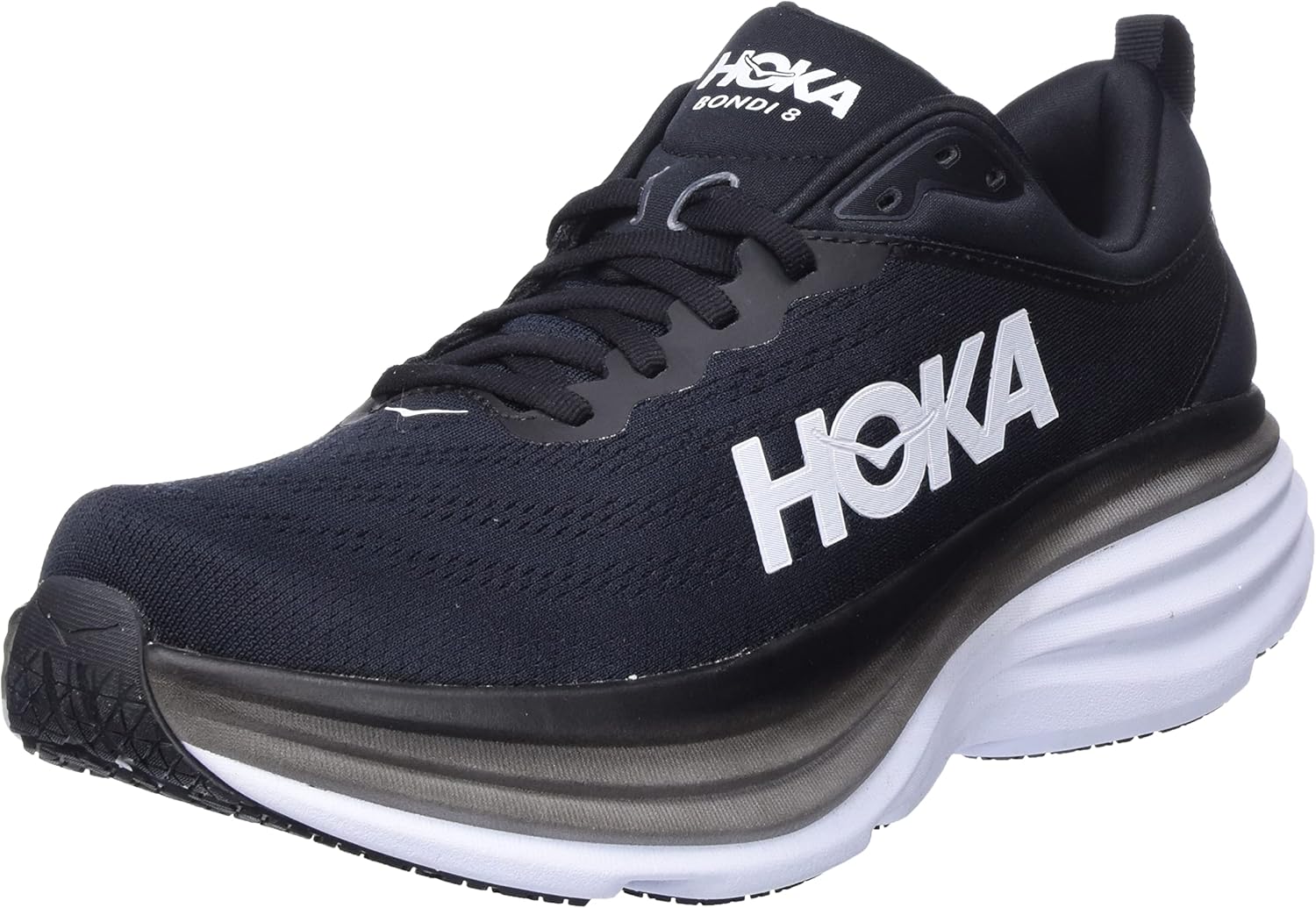
HOKA Bondi 8 top pick

Top pick

HOKA Bondi 8

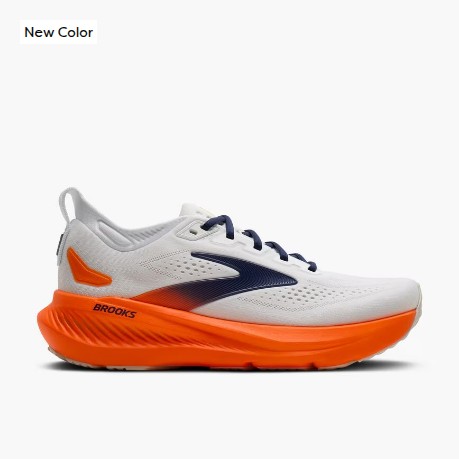
Brooks Glycerin 21 recommendation
Brooks Glycerin 21
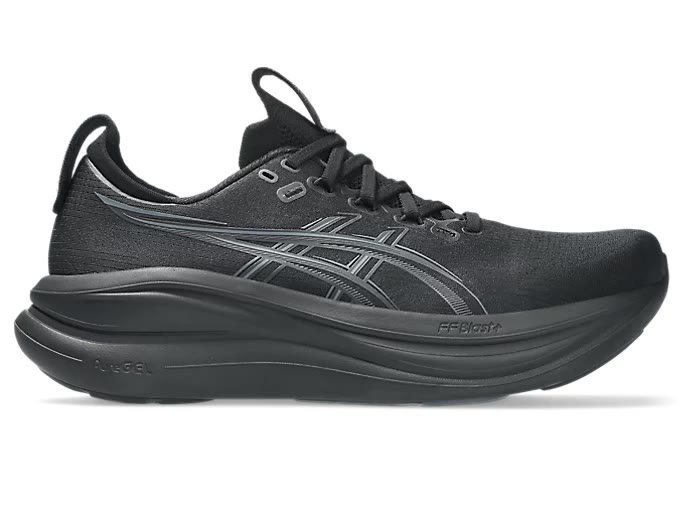
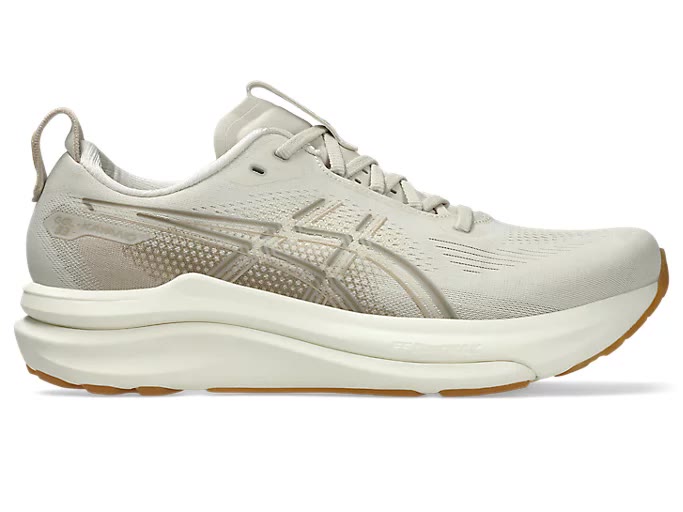
ASICS Gel-Kayano 32 recommendation
ASICS Gel-Kayano 32
New Balance Fresh Foam X 1080 v14 recommendation
New Balance Fresh Foam X 1080 v14

Curated lineup from our performance lab.

Best Running Shoes for Knee Pain: Top Picks for 2026

Knee pain is one of the most common issues affecting runners, with causes ranging from patellofemoral syndrome (runner's knee) to IT band problems to osteoarthritis. While shoes alone won't cure knee problems, proper footwear can reduce the impact stress that contributes to knee discomfort.

This guide covers the best running shoes for managing and preventing knee pain through cushioning, stability, and appropriate design.


Understanding Knee Pain in Runners

Common causes of knee pain in runners include:

  • Runner's knee (patellofemoral syndrome): Pain around the kneecap, often from tracking issues
  • IT band syndrome: Pain on the outside of the knee from iliotibial band friction
  • Patellar tendinitis: Pain below the kneecap in the patellar tendon
  • Meniscus issues: Pain from cartilage damage or wear
  • Osteoarthritis: Joint degeneration causing pain and stiffness

Different conditions may benefit from different shoe features. Understanding your specific issue helps guide shoe selection.


How Shoes Affect Knee Stress

Factor Effect on Knee Recommendation
Cushioning Absorbs impact before it reaches knee Moderate to high cushioning
Stability Controls pronation that affects knee tracking Based on gait analysis
Heel-toe drop Higher drop may reduce knee loading 8-12mm for knee issues
Stack height More foam = more absorption 30-40mm for protection
Platform width Wider base provides stability Wide platforms for control

Top Running Shoes for Knee Pain

1. HOKA Bondi 8 - Best Impact Protection

The Bondi 8 provides maximum cushioning with a wide, stable platform ideal for runners with knee concerns.

Key Specs:

  • Cushion Level: Maximum
  • Heel-to-Toe Drop: 4mm
  • Stack Height: 38mm heel / 34mm forefoot
  • Weight: 10.3 oz (men's)
  • Price: MSRP: $165

Why It Made the List: HOKA's Bondi absorbs significant impact before it can stress the knee joint. The wide platform creates inherent stability without traditional stability features, and the meta-rocker promotes smooth transitions that reduce jarring. It's a top choice for knee pain management.

Pros:

  • Maximum cushioning
  • Wide, stable platform
  • Smooth transitions
  • Proven for joint issues

Cons:

  • Heavy
  • Lower drop may not suit everyone

Best For: Runners who need maximum impact absorption.

Read our full HOKA Bondi 8 review


2. Brooks Glycerin 21 - Best Plush Neutral Option

The Glycerin 21 offers soft cushioning with a traditional drop, ideal for knee pain sufferers who prefer conventional shoe geometry.

Key Specs:

  • Cushion Level: High
  • Heel-to-Toe Drop: 10mm
  • Stack Height: 38mm heel / 28mm forefoot
  • Weight: 10.2 oz (men's)
  • Price: MSRP: $160

Why It Made the List: The 10mm drop may benefit runners whose knee pain responds to traditional geometry. DNA LOFT v3 foam provides soft cushioning that absorbs impact, while the proven Glycerin platform offers reliable performance. Three width options ensure proper fit.

Pros:

  • Plush cushioning
  • Traditional 10mm drop
  • Three width options
  • Smooth ride

Cons:

  • Heavy
  • Less responsive

Best For: Runners who prefer traditional drop with plush cushioning.

Read our full Brooks Glycerin 21 review


For runners whose knee pain stems from overpronation, the Kayano 32 provides both cushioning and stability.

Key Specs:

  • Cushion Level: High
  • Heel-to-Toe Drop: 10mm
  • Stack Height: 42mm heel / 32mm forefoot
  • Weight: 11.0 oz (men's)
  • Price: MSRP: $160

Why It Made the List: Overpronation can cause the knee to track improperly, contributing to pain. ASICS' 4D Guidance System provides stability without rigid correction, while generous cushioning absorbs impact. The combination addresses multiple factors in pronation-related knee pain.

Pros:

  • Stability + cushioning
  • 4D Guidance System
  • Four width options
  • High stack height

Cons:

  • Heavy
  • Expensive

Best For: Overpronators with knee tracking issues.

Read our full ASICS Gel-Kayano 32 review


4. New Balance Fresh Foam X 1080 v14 - Best All-Around Protection

The 1080 v14 provides balanced cushioning and comfort ideal for daily running with knee concerns.

Key Specs:

  • Cushion Level: High
  • Heel-to-Toe Drop: 6mm
  • Stack Height: 34mm heel / 28mm forefoot
  • Weight: 10.1 oz (men's)
  • Price: MSRP: $165

Why It Made the List: New Balance's flagship cushioned trainer provides excellent shock absorption with a balanced feel. The Fresh Foam X midsole is forgiving on joints, and five width options ensure proper fit - essential for maintaining good mechanics that protect the knee.

Pros:

  • Balanced cushioning
  • Five width options
  • Quality construction
  • Versatile

Cons:

  • Premium price
  • Heavier design

Best For: Runners who want balanced protection for daily running.

Read our full New Balance Fresh Foam X 1080 v14 review


5. Brooks Adrenaline GTS 24 - Best Moderate Stability

The Adrenaline GTS 24 offers gentle stability that helps knee tracking without aggressive correction.

Key Specs:

  • Cushion Level: Moderate
  • Heel-to-Toe Drop: 12mm
  • Stack Height: 36mm heel / 24mm forefoot
  • Weight: 10.2 oz (men's)
  • Price: MSRP: $140

Why It Made the List: Brooks' GuideRails provide support that keeps the knee aligned without forcing rigid correction. The higher 12mm drop may benefit runners whose knee pain responds to traditional geometry. Four width options ensure proper fit for good mechanics.

Pros:

  • GuideRails stability
  • Higher 12mm drop
  • Four width options
  • Good value

Cons:

  • Moderate cushioning only
  • Traditional feel

Best For: Runners who need gentle stability with higher drop.

Read our full Brooks Adrenaline GTS 24 review


6. Nike Invincible 3 - Best Soft Cushioning

The Invincible 3 uses Nike's softest foam for maximum impact absorption.

Key Specs:

  • Cushion Level: Maximum
  • Heel-to-Toe Drop: 9mm
  • Stack Height: 41mm heel / 32mm forefoot
  • Weight: 10.6 oz (men's)
  • Price: MSRP: $180

Why It Made the List: Nike's ZoomX foam is exceptionally soft, absorbing impact before it stresses the knee. The wide platform provides stability despite the soft cushioning, and the 9mm drop is a moderate option that works for most runners. The plush ride feels forgiving on troubled joints.

Pros:

  • Very soft ZoomX foam
  • Wide, stable platform
  • High stack height
  • Plush ride

Cons:

  • Expensive
  • Heavy
  • May feel too soft for some

Best For: Runners who prefer very soft cushioning.

Read our full Nike Invincible 3 review


7. Saucony Triumph 22 - Best Durable Cushioning

The Triumph 22 provides cushioning that maintains its protective properties over high mileage.

Key Specs:

  • Cushion Level: High
  • Heel-to-Toe Drop: 10mm
  • Stack Height: 39mm heel / 29mm forefoot
  • Weight: 10.4 oz (men's)
  • Price: MSRP: $160

Why It Made the List: Saucony's PWRRUN PB foam provides excellent cushioning that holds up over many miles. For runners managing knee pain while building mileage, consistent protection throughout the shoe's life matters. The wide platform adds stability.

Pros:

  • Durable cushioning
  • Traditional 10mm drop
  • Wide platform
  • Premium foam

Cons:

  • Heavy
  • Only two widths

Best For: Runners who need cushioning that lasts.

Read our full Saucony Triumph 22 review


8. HOKA Arahi 7 - Best Lightweight Stability

For runners who need stability without the weight penalty, the Arahi 7 provides support at a manageable weight.

Key Specs:

  • Cushion Level: High
  • Heel-to-Toe Drop: 5mm
  • Stack Height: 37mm heel / 32mm forefoot
  • Weight: 9.5 oz (men's)
  • Price: MSRP: $145

Why It Made the List: The Arahi proves stability shoes don't have to be heavy. HOKA's J-Frame provides support for overpronators, while the high cushioning protects knee joints. At 9.5 oz, it's significantly lighter than most stability options.

Pros:

  • Lightweight stability
  • Good cushioning
  • J-Frame support
  • Wide option available

Cons:

  • Lower drop
  • Less support than heavy stability shoes

Best For: Runners who need light stability for knee support.

Read our full HOKA Arahi 7 review


Comparison Table

Shoe Cushion Drop Weight Price Stability
HOKA Bondi 8 Maximum 4mm 10.3 oz MSRP: $165 Neutral
Brooks Glycerin 21 High 10mm 10.2 oz MSRP: $160 Neutral
ASICS Kayano 32 High 10mm 11.0 oz MSRP: $160 Stability
NB 1080 v14 High 6mm 10.1 oz MSRP: $165 Neutral
Brooks Adrenaline GTS 24 Moderate 12mm 10.2 oz MSRP: $140 Stability
Nike Invincible 3 Maximum 9mm 10.6 oz MSRP: $180 Neutral
Saucony Triumph 22 High 10mm 10.4 oz MSRP: $160 Neutral
HOKA Arahi 7 High 5mm 9.5 oz MSRP: $145 Stability

Choosing the Right Shoe

For Runner's Knee (Patellofemoral Pain)

Often responds to higher-drop shoes and stability features if you overpronate. Cushioning helps absorb impact. Try: Brooks Adrenaline GTS 24, ASICS Kayano 32

For IT Band Syndrome

Consider neutral, cushioned shoes with good platform stability. Very soft shoes may worsen lateral instability. Try: Brooks Glycerin 21, New Balance 1080 v14

For General Knee Protection

Maximum cushioning with stable platforms reduces overall joint stress. Try: HOKA Bondi 8, Nike Invincible 3

If You Overpronate

Stability features can help knee tracking. Try: ASICS Kayano 32, Brooks Adrenaline GTS 24, HOKA Arahi 7


Beyond Shoes: Managing Knee Pain

Strengthening

  • Quad strengthening: Supports proper knee tracking
  • Hip strengthening: Reduces knee compensation
  • Glute activation: Improves running mechanics
  • Core stability: Controls whole-body alignment

Training Modifications

  • Reduce mileage: Back off when pain appears
  • Avoid downhills: Reduces eccentric knee loading
  • Shorten stride: Reduces impact forces
  • Soft surfaces: Lower impact than concrete

When to See a Doctor

  • Pain persists beyond 2-3 weeks
  • Swelling or instability
  • Pain during walking
  • Night pain
  • Locking or catching

Summary

Running shoes with appropriate cushioning and stability can reduce the stress that contributes to knee pain. The HOKA Bondi 8 provides maximum impact protection, while the ASICS Gel-Kayano 32 addresses pronation-related knee issues. The Brooks Glycerin 21 offers plush cushioning with traditional geometry. Choose based on your specific knee issue and biomechanics, and combine proper shoes with strengthening and training modifications for best results.


Track your running and manage recovery on your dashboard.

Key Takeaway

Running shoes with adequate cushioning and appropriate stability features can reduce the stress that contributes to knee pain. The right shoe depends on your specific condition and biomechanics. Combine proper footwear with strength training and gradual training progression for best results.

Frequently Asked Questions

Can running shoes prevent knee pain?
Appropriate shoes can reduce knee stress, but they're not a complete solution. Proper cushioning absorbs impact, stability features control excessive pronation, and good fit prevents compensatory patterns. Combine proper shoes with strength training, gradual mileage progression, and attention to form.
Should I use stability or neutral shoes for knee pain?
It depends on your biomechanics. If you overpronate and experience inner knee pain (often runner's knee), stability shoes may help. If your knee pain relates to excessive stability or lateral issues, neutral shoes with cushioning might be better. A gait analysis can provide guidance.
Do higher drop shoes help with knee pain?
Research is mixed, but some runners with knee pain find higher drop shoes (10-12mm) reduce knee stress by shifting load toward the ankle. Lower drop shoes may increase knee loading. If you have persistent knee pain, experimenting with drop height is worth trying.
Are maximalist shoes good for knee pain?
Maximum cushioning can help absorb impact before it reaches the knee, but very soft shoes may not provide enough stability for some runners. The wide platforms of most maximalist shoes (like HOKA) provide inherent stability that benefits many knee pain sufferers.
When should I see a doctor for knee pain?
See a doctor if pain persists beyond 2-3 weeks despite rest, if you have swelling or locking, if pain occurs during walking (not just running), or if pain wakes you at night. Don't try to run through significant knee pain - early treatment prevents worse injuries.

References

  1. Running shoe research
  2. Sports medicine literature
  3. Biomechanics research

Send to a friend

Know someone training for a race? Share this with their long-run buddy.