
Contents
Brooks Cascadia Elite Review: Plated Trail-Race Specialist
The Brooks Cascadia Elite combines PEBA foam, a trail plate, and Vibram grip for racing. See its fit, terrain, tradeoffs, comparisons, and value.

Quick Hits
- •The Cascadia Elite pairs DNA GOLD PEBA foam with a carbon-infused SpeedVault+ trail plate.
- •Vibram Megagrip Elite, 3.5mm lugs, and a Matryx upper target technical trail racing from shorter events through ultras.
- •Believe in the Run praised the broad platform and varied-terrain grip but reported forefoot slip until lockdown was tightened.
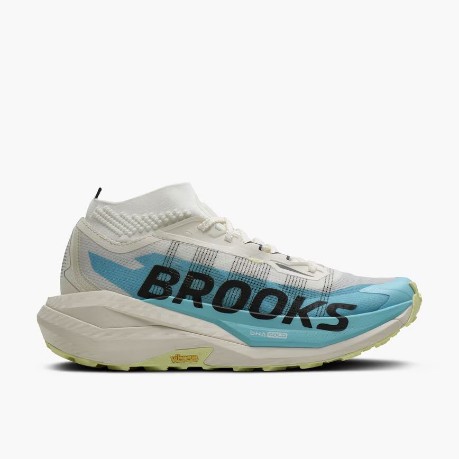
Brooks Cascadia Elite Review
This review combines Brooks' product information, TrainingPlan's current catalog, and Believe in the Run's published testing. It does not represent first-person testing by TrainingPlan. The editorial manifest does not contain a verified exact-model Amazon listing, so this draft includes no affiliate purchase link.
Quick Verdict
The Brooks Cascadia Elite takes the familiar Cascadia name into true trail-race territory. DNA GOLD PEBA foam, a carbon-infused Pebax SpeedVault+ plate, Vibram Megagrip Elite rubber, and a Matryx upper create a premium package for moving quickly over uneven ground. The 41/35mm catalog stack is high, yet a broad footprint helps the platform feel composed.
Believe in the Run found the shoe effective across varied terrain and praised its grip, while identifying fit-dependent forefoot movement on technical turns. Tightening the laces addressed that movement but introduced pressure from the laces. This is a serious race option for compatible feet, not an automatic replacement for every trail runner's daily shoe. Start with our best trail running shoes for the wider field.
Key Specifications
| Spec | Value |
|---|---|
| Category | Trail / Racing |
| Cushion Level | Maximum |
| Heel-to-Toe Drop | 6mm |
| Weight (Men's/Women's) | 9.5oz / 9.5oz |
| Stack Height | 41mm heel / 35mm forefoot |
| Pronation Support | Neutral |
| Width Options | Standard |
| MSRP | MSRP: $275 |
| Surface | Trail |
These are the exact current runtime catalog values. Believe in the Run lists the same unisex reference weight but cites 30/24mm as midsole-only stack. Because that convention excludes other shoe components, the table retains the catalog's whole-platform 41/35mm contract.
What Changed
This is not simply a lighter Cascadia. Brooks replaces conventional daily-trail materials with DNA GOLD, described as 100 percent PEBA, and adds a carbon-infused SpeedVault+ trail plate. The Matryx upper incorporates high-strength fibers, while Vibram supplies the Megagrip Elite outsole.
The result moves the model from dependable trail workhorse to competitive specialist. Familiar branding may imply continuity, but the price, materials, stack, and intended pace are all closer to modern trail super shoes.
Ride and Intended Use
The PEBA foam supplies cushioning and rebound, while the plate stabilizes the high platform and assists forward movement. Unlike a road plate, the trail implementation must respond to uneven loading, rocks, and directional changes. Believe in the Run found the broad forefoot and midfoot reassuring on technical ground rather than unwieldy.
The reported 3.5mm lugs and Megagrip compound handled varied surfaces in the independent test. Brooks positions the shoe for competitive sub-ultra through ultra distances. Suitability at the longest end depends on secure fit and comfort established in training. Our best ultra running shoes includes plated and non-plated alternatives.
Fit and Sizing
Believe in the Run found the platform broad through the forefoot and midfoot but lower in vertical volume. Its tester experienced some forefoot movement during technical turns, then improved security by tightening the laces. That solution also produced lace pressure, illustrating the importance of a compatible instep rather than simply pulling harder.
The Cascadia Elite is unisex and offered in standard width. Buyers should use the brand's unisex conversion guidance and test descending, cornering, and off-camber movement before racing.
What Works Well
- Premium race materials: PEBA foam and a carbon-infused trail plate create a genuinely performance-oriented package.
- Varied-terrain grip: Vibram Megagrip Elite and moderate lugs performed confidently in independent testing.
- Broad platform: The forefoot and midfoot footprint helps manage the high stack on uneven ground.
- Competitive distance range: The cushioning supports events beyond short, sharp trail races.
Tradeoffs
- Fit-sensitive lockdown: Forefoot movement or lace pressure may appear depending on foot volume.
- Maximum-stack feel: Runners who prefer low, flexible trail shoes may find it excessive.
- Standard width only: The broad platform does not guarantee enough upper volume for every foot.
- Very high MSRP: At MSRP: $275, it must earn a specialized place in a rotation.
Who Should Consider This Shoe
- Trail racers seeking PEBA cushioning with plated structure.
- Runners who value strong grip and a broad base under a high stack.
- Ultra competitors who verify fit and technical control during training.
Who Should Look Elsewhere
- Runners wanting an affordable daily trail workhorse.
- Feet that cannot balance lockdown with comfortable lace pressure.
- Athletes who prefer flexible, low-to-ground trail feedback.
Cross-Brand Comparison
The Salomon Speedcross versus Hoka Speedgoat guide contrasts aggressive soft-ground grip with high-cushion trail versatility. The Cascadia Elite adds race foam and a plate to that discussion, with less mud-specific tread than the Speedcross. Road racers should not assume that carbon-plate racing shoes provide equivalent lateral control or trail grip.
Same-Brand Comparison
The Brooks Cascadia 18 is heavier and less propulsive but far better suited to everyday trail mileage and budget consciousness. The Brooks Ghost 18 is a road daily trainer with none of the Elite's trail-specific plate or outsole. Choose the Elite only when racing performance justifies specialization.
Value
At MSRP: $275, the Cascadia Elite asks a premium even within the super-shoe category. Its value comes from combining race-grade PEBA, a terrain-adapted plate, Matryx construction, and Vibram rubber. That makes sense for goal events and serious trail racing. Recreational mileage does not exploit enough of those features to make the price easy to defend.
Final Verdict
The Brooks Cascadia Elite is an ambitious, technically credible trail racer. Its broad high-stack platform, PEBA foam, carbon-infused plate, and Vibram grip balance speed with uneven-terrain demands better than a converted road racer would.
Fit remains the deciding factor. The lower-volume upper and tension-sensitive lockdown require careful testing, and the MSRP: $275 MSRP leaves little room for a compromise. For runners whose feet and race goals align, it is a compelling specialist from shorter trail races through ultras.
Key Takeaway
The Cascadia Elite is a high-stack plated trail racer with premium foam and strong varied-terrain grip, but its $275 price and fit-sensitive lockdown make it a specialist rather than a general-purpose trail shoe.
Frequently Asked Questions
Is the Brooks Cascadia Elite carbon plated?
What distances suit the Brooks Cascadia Elite?
How does the Brooks Cascadia Elite fit?
References
- https://www.brooksrunning.com/en_us/featured/unisex-running-shoes/cascadia-elite/100055.html?dwvar_100055_color=116
- https://believeintherun.com/shoe-reviews/brooks-cascadia-elite-review/