
Contents
Brooks Ghost 18 Review: Dependable Daily Miles, Familiar Ride
The Brooks Ghost 18 refines its upper and keeps a stable, traditional daily ride. See the fit, measured tradeoffs, comparisons, and best uses.

Quick Hits
- •The Ghost 18 keeps DNA LOFT v3 and a traditional 10mm-drop geometry, so the ride remains familiar rather than radically new.
- •Brooks adds a flat-knit padded tongue, revised air-mesh upper, new sockliner, and broad width coverage.
- •Independent testing supports easy-run comfort and outsole abrasion resistance, but finds modest energy return and a tapered toe box.
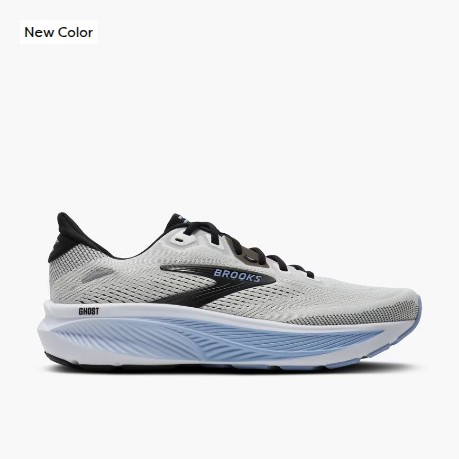
Brooks Ghost 18 Review
Disclosure: As an Amazon Associate, we earn from qualifying purchases. This helps support TrainingPlan at no extra cost to you.
Affiliate link - we may earn a commission
This review uses Brooks' product details, TrainingPlan's audited catalog, and published independent testing. It does not represent first-person testing by TrainingPlan.
Quick Verdict
The Brooks Ghost 18 is a neutral road shoe for runners who want daily mileage to feel straightforward. Its 10mm drop, high catalog cushion level, broad outsole, and flexible forefoot produce a more traditional setup than today's strongly rockered performance trainers. Brooks calls the cushioning soft and dynamic; independent evidence paints a more restrained picture.
RunRepeat measured above-average heel shock absorption but lower energy return than its comparison average, while Tom's Guide found the shoe most convincing at easy paces. That combination makes the Ghost 18 a sensible option for routine aerobic runs, walking, and general use—not the strongest one-shoe choice for runners who regularly add intervals. It earns its place as a dependable daily trainer, with familiarity as both its advantage and its main limitation.
Key Specifications
| Spec | Value |
|---|---|
| Category | Daily Trainer |
| Cushion Level | High |
| Heel-to-Toe Drop | 10mm |
| Weight (Men's/Women's) | 10.0oz / 9.2oz |
| Stack Height | 36mm heel / 26mm forefoot |
| Pronation Support | Neutral |
| Width Options | Narrow, Standard, Wide, and Extra-Wide |
| MSRP | MSRP: $150 |
| Surface | Road |
These are the standardized TrainingPlan catalog values. Brooks currently lists 10.2oz for its men's reference sample, RunRepeat measured 10.2oz, and Tom's Guide reported 10.7oz in a men's size 10. Those figures illustrate why shoe weight should always be read with the test size and method attached.
What Changed
The Ghost 18 is primarily an upper refinement. Brooks retains nitrogen-infused DNA LOFT v3 foam and adds a flat-knit tongue with targeted padding, a revised air-mesh upper, a new sockliner, and heel reflectivity. The brand also uses RoadTack rubber across a large portion of the outsole.
Tom's Guide characterizes the on-foot experience as very close to the Ghost 17, which fits the component list: there is no wholesale midsole redesign. RunRepeat measured slightly more heel stack than in its Ghost 17 sample, but the difference was small. Runners hoping for a new ride should view version 18 as a comfort-and-fit update rather than a performance reset.
Ride and Intended Use
Brooks describes DNA LOFT v3 as cushioning optimized for soft landings and responsive toe-offs. RunRepeat's lab found 135 SA of heel shock absorption versus 101 SA in the forefoot, indicating that protection is concentrated toward the rear. The same test measured 52.4% heel and 58.1% forefoot energy return, which the outlet considered moderate for everyday training.
Editorially, the evidence supports easy and steady road mileage first. The shoe's 10mm specified drop, limited rocker, and substantial rubber coverage favor a familiar heel-to-toe transition. Tom's Guide also found the Ghost comfortable for walking and gym use, but heavy when pace increased. Runners building a rotation could pair it with a separate speed shoe rather than ask it to cover every workout.
The best daily trainer guide offers alternatives for runners who want a lighter or livelier balance.
Fit and Sizing
RunRepeat and Tom's Guide both found the Ghost 18 true to size. RunRepeat measured an average internal width through the main fit area but a narrower than average 70.6mm toe-box width, reinforcing the line's tapered shape. Its breathability result was close to the lab average.
Brooks lists narrow, standard, wide, and extra-wide options across the catalog line, although a particular color may not appear in every width. Runners with a broad forefoot should not assume the standard version will feel generous; starting with the appropriate width is more useful than sizing longer solely to create toe room.
If symptoms are prompting a footwear comparison, the IT band shoe comfort guide and Achilles shoe comfort guide place the Ghost alongside alternatives. They compare fit and familiar geometry; inclusion does not establish an injury-treatment benefit.
What Works Well
- Clear daily purpose: The geometry and independent ride reports agree on easy, steady road mileage as the primary use.
- Useful width coverage: Four cataloged widths give more fit choices than many performance-focused trainers.
- Updated upper details: Brooks' padded flat-knit tongue and revised mesh directly address comfort and lockdown rather than changing the shoe's identity.
- Substantial rubber protection: RunRepeat's controlled abrasion test removed 0.8mm of outsole material, better than its stated lab average. That is evidence of test-sample abrasion resistance, not a guaranteed lifespan.
Tradeoffs
- Restrained response: Independent energy-return measurements trail the comparison average, limiting the shoe's appeal for faster sessions.
- Noticeable weight: Published men's samples cluster above 10oz, and the outsole coverage contributes to that total.
- Tapered front: The toe box measured narrower than average even though the overall interior width was typical.
Who Should Consider This Shoe
- Runners who prefer a conventional, stable-feeling neutral daily trainer.
- Heel strikers prioritizing rearfoot cushioning for easy road miles.
- Walkers and runners who benefit from multiple width choices.
- Existing Ghost users who want upper refinements without a dramatic new ride.
Who Should Look Elsewhere
- Runners seeking one lightweight shoe for both daily runs and speed sessions.
- Athletes who prefer a pronounced rocker or high measured energy return.
- Runners with a broad toe splay who cannot get a comfortable fit in the wider versions.
Cross-Brand Comparison
The Nike Pegasus 42 follows a similarly traditional daily-training brief, but uses full-length Air Zoom inside ReactX foam. The ASICS Novablast 6 is cataloged for both daily training and speed, making it the more performance-oriented option when one shoe must cover changing paces.
For a closer breakdown of the familiar workhorse category, see Nike Pegasus versus Brooks Ghost.
Same-Brand Comparison
The Ghost 18 is the simpler everyday option beside the Brooks Glycerin 23, which adds dual-cell DNA TUNED foam, more forefoot stack, and long-run and recovery roles at a higher MSRP. The Brooks Ghost versus Brooks Glycerin guide explains that basic workhorse-versus-premium split. Compared with the older Ghost 16, version 18 lowers the specified drop from 12mm to 10mm and raises the catalog cushion level.
Value
At a MSRP: $150 catalog MSRP, the Ghost 18 is neither a budget shoe nor an exotic trainer. Its value rests on predictable daily use, width availability, and an outsole that performed well in a controlled abrasion test. Runners who already own a serviceable Ghost 17 may find the upper update too modest to justify an immediate change. New buyers who know they like the Ghost formula receive a clearer proposition.
Final Verdict
The Brooks Ghost 18 stays deliberately familiar. Its updated tongue, mesh, sockliner, and heel details improve the package around a DNA LOFT v3 platform that remains better suited to easy miles than fast running. Independent measurements support heel cushioning, flexibility, and outsole abrasion resistance while also exposing moderate response and a tapered toe box.
Choose it for consistent daily road work, walking, and fit options. Choose something lighter and more energetic when workouts regularly move beyond steady pace.
Disclosure: As an Amazon Associate, we earn from qualifying purchases. This helps support TrainingPlan at no extra cost to you.
Affiliate link - we may earn a commission
Key Takeaway
The Ghost 18 is a predictable, stable-feeling neutral daily trainer with a more comfortable upper, but its weight and restrained energy return make it a better easy-mile workhorse than an all-pace shoe.
Frequently Asked Questions
Who is the Brooks Ghost 18 best for?
How does the Brooks Ghost 18 fit?
Is the Brooks Ghost 18 worth its $150 MSRP?
References
- https://www.brooksrunning.com/en_us/mens/shoes/road-running-shoes/ghost-18/110493.html?dwvar_110493_color=172
- https://runrepeat.com/brooks-ghost-18
- https://www.tomsguide.com/wellness/running/brooks-ghost-18-review