
Contents
Diadora Vigore V Review: Traditional Support With Added Snap
The Diadora Mythos Blushield Vigore V mixes a traditional stability frame with Anima N2 foam. See its ride, fit, tradeoffs, comparisons, and value.

Quick Hits
- •A supercritical Anima N2 top layer adds response above traditional Light EVA and Blushield support elements.
- •Doctors of Running found a stable heel and midfoot with a smoother, more flexible forefoot.
- •The heavy build, rear flare, and tapered toe box keep the Vigore V from feeling like a true lightweight speed shoe.
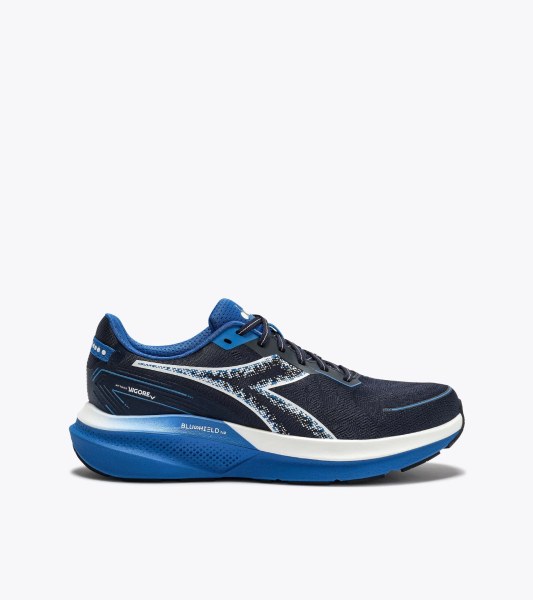
Diadora Mythos Blushield Vigore V Review
This review uses Diadora's product information, TrainingPlan's current catalog, and Doctors of Running's published observations. It does not represent first-person testing by TrainingPlan. The research manifest records no verified exact-model Amazon listing, so this draft includes no affiliate CTA.
Quick Verdict
The Diadora Mythos Blushield Vigore V combines old-school stability structure with a newer supercritical Anima N2 top layer. Light EVA, a medial post, Blushield components, and a substantial heel create firm guidance, while the front of the shoe bends and responds more readily. Doctors of Running found that contrast useful for daily mileage with some uptempo potential.
It is not the lightweight speed-stability shoe its livelier foam might suggest. Published samples are heavy, the rear transition can feel clunky, and the toe box tapers. The Vigore V makes sense for runners who actively want a high-drop, traditional platform with added forefoot snap. The best stability running shoes roundup offers more modern alternatives.
Key Specifications
| Spec | Value |
|---|---|
| Category | Daily Trainer / Speed |
| Cushion Level | Maximum |
| Heel-to-Toe Drop | 10mm |
| Weight (Men's/Women's) | 10.7oz / 8.6oz |
| Stack Height | 39mm heel / 34mm forefoot |
| Pronation Support | Stability |
| Width Options | Standard |
| MSRP | MSRP: $180 |
| Surface | Road |
The table reflects exact current TrainingPlan runtime values. Doctors of Running measured 11.3oz in a men's size 10 and reported 39/28mm and an 11mm drop for its sample. Those independent measurements provide context without overriding the standardized catalog contract.
What Changed
The important update is the top layer of supercritical Anima N2 foam. Diadora keeps a firmer Light EVA foundation and traditional support structure, then uses the newer layer to add cushion and response. An engineered mesh upper and Duratech outsole complete the design.
Doctors of Running considers version V a hybrid of new and old stability thinking. The medial post and Blushield setup remain recognizable, while the forefoot gains the smoothest and liveliest portion of the ride. This is not a complete conversion to geometry-only guidance.
Ride and Intended Use
Diadora markets Anima N2 for high cushioning, low weight, and response, while its Blushield and firmer foam elements structure the platform. Doctors of Running found a softer top sensation that meets a firmer lower layer under greater load. The rear flare and stiff midfoot produced a less fluid landing, but the flexible forefoot transitioned more smoothly and supported some faster running.
The shoe is best understood as a daily stability trainer that can handle pace changes, not as a dedicated speed shoe. Runners seeking a lighter workout option should consult the best lightweight running shoes. Those prioritizing structure can compare the best shoes for overpronation guide without treating any shoe as a medical intervention.
Fit and Sizing
Doctors of Running describes a secure, traditional upper with a slightly tapered toe box and more heel room. The engineered mesh supplies structure rather than the highly elastic feel of a knit. TrainingPlan catalogs only a standard width.
Begin with normal length, but assess toe pressure and rear hold independently. Sizing longer to escape taper can create heel movement. Because the platform already carries substantial rear structure, precise upper lockdown is important for keeping the foot centered.
What Works Well
- Clear stability structure: The medial post, Blushield elements, and firm heel/midfoot create an unmistakably guided platform.
- Livelier forefoot: Anima N2 contributes the smoothest and most responsive part of the ride in independent testing.
- Some pace versatility: Doctors of Running successfully used the shoe for progression work, supporting a limited speed role.
- Substantial outsole: Duratech coverage and the independent review's positive wear observations support sample-level abrasion resistance, not a guaranteed lifespan.
Tradeoffs
- Heavy construction: The men's catalog value exceeds 10oz, and an independent size-10 sample was heavier still.
- Clunky rear transition: Firm foam and posterior flare can make heel contact feel abrupt.
- Tapered, standard-only fit: Forefoot shape and limited widths reduce its accessibility.
Who Should Consider This Shoe
- Runners who enjoy traditional high-drop stability platforms.
- Daily trainers seeking clear heel and midfoot guidance with a livelier front.
- Athletes who value substantial construction over low scale weight.
Who Should Look Elsewhere
- Runners seeking a light tempo shoe or soft, seamless heel transition.
- Broad forefeet that need wide sizing.
- Neutral-shoe users who prefer minimal guidance and flexible midfoot geometry.
Cross-Brand Comparison
The ASICS Gel Kayano 32 offers a more modern max-cushion stability approach. The ASICS Kayano versus Brooks Adrenaline guide show how support can be delivered through different combinations of geometry, foam, and structure.
Same-Brand Comparison
The Diadora Equipe Atomo is the neutral, less traditionally structured alternative in the existing review library. The Vigore V is the choice for runners who specifically want Blushield support and a medial post. Its Anima N2 top layer narrows the performance gap without erasing that identity.
Value
At MSRP: $180, the Vigore V enters premium-trainer territory. Its value case depends on finding this exact combination—high drop, traditional stability, durable outsole coverage, and a responsive forefoot—difficult to replace. Runners open to lighter geometry-led stability shoes have more choices at the same or lower price, making the Vigore's specialized preferences essential to the decision.
Final Verdict
The Diadora Mythos Blushield Vigore V modernizes a traditional stability platform selectively. Anima N2 adds welcome cushion and snap, especially through the forefoot, while Light EVA, Blushield, and a medial post keep the heel and midfoot structured. Weight, rear stiffness, and toe taper remain real constraints.
Choose it when a substantial high-drop support shoe feels familiar and useful. Choose a lighter, smoother trainer when fast transitions and broad fit matter more than traditional structure.
Key Takeaway
The Vigore V adds welcome forefoot snap to a traditional stability platform, but its heavy rear construction and tapered fit make it a specialized choice.
Frequently Asked Questions
Who is the Diadora Vigore V best for?
How does the Diadora Vigore V fit?
Is the Diadora Vigore V worth its $180 MSRP?
References
- https://www.diadora.com/en/us/mythos_blushield_vigore_v/101.182723_C1512.html
- https://www.doctorsofrunning.com/diadora-mythos-blushield-vigore-v/