
Contents
Mizuno Neo Zen 2 Review: Stable High-Stack Daily Cushion
The Mizuno Neo Zen 2 trades some original-model bounce for a wider, more controlled high-stack ride. See its fit, measurements, tradeoffs, and value.

Quick Hits
- •A broader base and revised Enerzy NXT foam make version 2 more stable and controlled than the original Neo Zen.
- •RTINGS found strong cushioning but low measured energy return, shifting the shoe toward easy daily use.
- •The redesigned mesh-and-knit upper fits true to size but has a snug, low toe box.
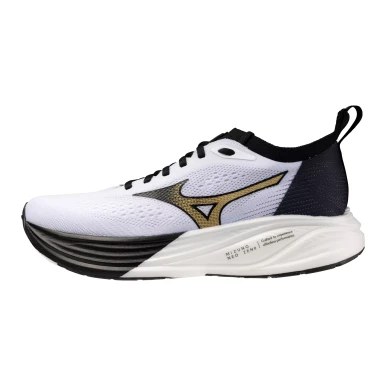
Mizuno Neo Zen 2 Review
Disclosure: As an Amazon Associate, we earn from qualifying purchases. This helps support TrainingPlan at no extra cost to you.
Affiliate link - we may earn a commission
This review combines Mizuno's product information, TrainingPlan's audited catalog, and RTINGS' published measurements. It does not represent first-person testing by TrainingPlan. The verified Amazon listing covers the exact Neo Zen 2 in the women's size run.
Quick Verdict
The Mizuno Neo Zen 2 is a maximum-cushion neutral trainer made more controlled for its second generation. Mizuno broadens the platform, revises the Enerzy NXT midsole, replaces the original sock-like upper with mesh-and-knit construction, and keeps Smooth Speed Assist geometry. RTINGS found the result stable for its height, well cushioned, and more conventional than the first Neo Zen.
The loss is personality. RTINGS measured low energy return and considered the new foam substantially less playful. The shoe works best for easy and steady daily mileage, even though the catalog retains a speed category. Runners seeking a lively one-shoe rotation should compare the best daily trainer guide.
Key Specifications
| Spec | Value |
|---|---|
| Category | Daily Trainer / Speed |
| Cushion Level | Maximum |
| Heel-to-Toe Drop | 6mm |
| Weight (Men's/Women's) | 8.5oz / 7.4oz |
| Stack Height | 43mm heel / 37mm forefoot |
| Pronation Support | Neutral |
| Width Options | Standard |
| MSRP | MSRP: $150 |
| Surface | Road |
These are the exact current TrainingPlan runtime specifications. Mizuno describes a 40mm heel, while independent measurements and standardized catalog sources differ by convention and sample. Weight also varies across the unisex size scale, so the catalog values should not be treated as universal pair weights.
What Changed
The upper is the most visible change. Mizuno replaces the original's sock-like construction with a combination of engineered mesh, stretchy knit, and a padded heel collar. Underfoot, the platform becomes wider and the nitrogen-infused EVA formulation changes.
RTINGS found those revisions improve stability and create a more predictable fit, but reduce the bounce that made version 1 distinctive. This is therefore not a straightforward performance upgrade. It is a repositioning toward controlled daily comfort.
Ride and Intended Use
Mizuno says Enerzy NXT maximizes cushioning and energy return while Smooth Speed Assist supports efficient transitions. RTINGS agrees on cushioning but not rebound: its protocol measured 70.2% forefoot and 68.2% heel energy return, which the outlet rated low, while praising underfoot protection and lateral control for a tall shoe.
That evidence makes easy runs, recovery outings, and steady everyday mileage the clearest uses. Pace changes are possible because the catalog weight remains moderate, but the foam does not supply the lively assistance many runners expect from a speed trainer. Compare lighter options in the best lightweight running shoes and more sustained cushioning in the best long-run shoes guide.
Fit and Sizing
RTINGS found true-to-size length and accommodating arch volume. The concern is farther forward: its testers described the forefoot as snug and the toe box as notably low. The revised upper should feel more conventional and structured than the first model's sock-like wrap.
Only standard width is cataloged. Begin with normal length, but check vertical toe clearance and forefoot pressure carefully. Sizing longer can misalign the foot with the rocker and create rear movement, so runners needing more volume may be better served by a different last.
What Works Well
- High cushioning at moderate weight: The 43/37mm catalog platform sits under an 8.5oz men's reference.
- Improved lateral control: A wider base makes the tall neutral shoe more predictable than the original.
- Conventional upper: Mesh, knit, and heel padding provide an alternative for runners who disliked version 1's sock construction.
- True-to-size length: Independent fit testing gives most buyers a clear starting point.
Tradeoffs
- Reduced rebound: RTINGS found the EVA-based midsole controlled and low in energy return.
- Snug, low toe box: Standard-only sizing limits options for higher-volume forefeet.
- Less distinctive update: Greater stability comes at the expense of the playful quality associated with the original.
Who Should Consider This Shoe
- Neutral runners seeking high-stack cushioning without a very heavy shoe.
- Easy-mile runners who prefer a stable, controlled platform.
- Neo Zen users who wanted a more conventional upper and broader base.
Who Should Look Elsewhere
- Runners who loved the original specifically for its bounce.
- Wide or high-volume forefeet that need more room.
- Athletes seeking a plated or highly responsive workout shoe.
Cross-Brand Comparison
The ASICS Novablast 6 aims for a more energetic daily-and-speed blend, while the Neo Zen 2 favors composure. The ASICS Novablast versus Saucony Triumph guide helps frame lively versatility against traditional cushioned mileage; the Mizuno lands closer to the controlled side in independent testing.
Same-Brand Comparison
The Mizuno Wave Rider 29 is the more traditional, lower-stack daily workhorse. The Mizuno Wave Neo Ultra occupies a different premium-cushion niche. The Neo Zen 2 stands out by combining maximum catalog cushioning with relatively low weight and no plate.
Value
At MSRP: $150, the Neo Zen 2 offers a considerable stack-to-weight ratio without entering premium MSRP: $180-plus territory. That makes it a reasonable value for easy daily mileage. The caveat is generational: original-model fans are not simply getting more of the same. Buyers should value the revised fit and stability, because the independent evidence does not support improved bounce.
Final Verdict
The Mizuno Neo Zen 2 is a safer, more conventional interpretation of a high-stack lightweight trainer. Its wider platform, updated upper, and ample cushioning make everyday running controlled and approachable. Low measured rebound and a snug toe box narrow its versatility.
Choose it for stable-feeling, cushioned easy miles at a fair MSRP. Choose a livelier trainer if pace changes and playful foam are central to the purchase.
Disclosure: As an Amazon Associate, we earn from qualifying purchases. This helps support TrainingPlan at no extra cost to you.
Affiliate link - we may earn a commission
Key Takeaway
The Neo Zen 2 is a cushioned, stable-feeling high-stack daily trainer whose added control comes at the cost of the original model's livelier personality.
Frequently Asked Questions
Who is the Mizuno Neo Zen 2 best for?
How does the Mizuno Neo Zen 2 fit?
Is the Mizuno Neo Zen 2 worth its $150 MSRP?
References
- https://usa.mizuno.com/unisex-mizuno-neo-zen-2-running-shoes-origami-pack/
- https://www.rtings.com/running-shoes/reviews/mizuno/neo-zen-2