
Contents
Mizuno Wave Neo Ultra Review: Corrected Max-Cushion Trainer
Research-based Mizuno Wave Neo Ultra review covering its corrected 8mm drop, 39/31mm stack, three-foam plate-free build, weight, fit, and best uses.

What changed: Corrected its identity from plated speed racer to max-cushion trainer, plus drop, stack, both weights, MSRP, materials, goals, lifecycle, and affiliate status.
Quick Hits
- •Mizuno's corporate launch data specifies 39/31mm and an 8mm drop.
- •The 10.9/9.2oz references are far heavier than the previous catalog values.
- •Foam Wave uses layered foams for stability; it is not a propulsion plate.
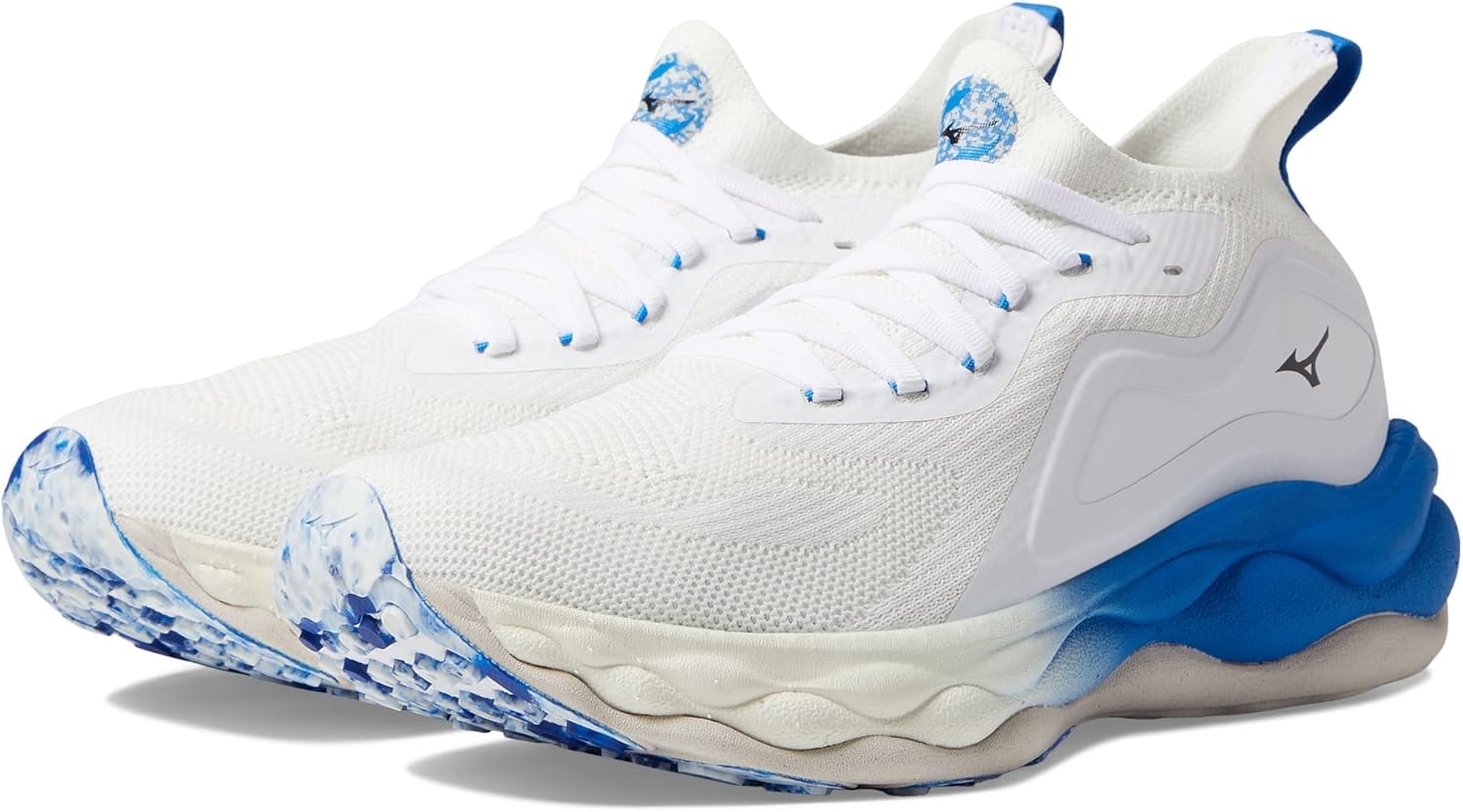
Mizuno Wave Neo Ultra Review: Corrected Max-Cushion Trainer
Disclosure: TrainingPlan has not hands-on tested this exact model. This research-based review uses Mizuno corporate and product information, a technical sheet, and independent exact-model reviews. No Amazon US listing is currently verified.
Quick Verdict
The Mizuno Wave Neo Ultra is a discontinued max-cushion neutral road trainer built around three ENERZY materials and a plate-free Foam Wave platform. Mizuno's corporate launch specification gives a 39mm heel, 31mm forefoot, and 8mm drop. A technical sheet lists 310 grams (10.9 ounces) for men and 260 grams (9.2 ounces) for women. Launch MSRP was MSRP: $250.
Those facts completely change its identity. This is a heavy, soft, stable cruiser for daily and long runs, not a light plated racer. Its undyed knit construction and verified carbon-offset program were central to Mizuno's sustainability story, while the layered foam system aimed to balance cushioning and stability.
Key Specifications
| Specification | Audited catalog value |
|---|---|
| Category | Max-cushion daily / long-run trainer |
| Heel-to-Toe Drop | 8mm |
| Weight (Men's/Women's) | 10.9oz / 9.2oz |
| Stack Height | 39mm heel / 31mm forefoot |
| Midsole | ENERZY LITE, ENERZY CORE, and ENERZY |
| Plate | None; layered Foam Wave construction |
| Upper | Undyed knit bootie |
| Outsole | Lightweight G3 rubber |
| Width Options | Standard |
| MSRP | MSRP: $250 at launch |
| Release | September 2022; discontinued |
What Changed
The previous entry called Wave Neo Ultra a plated ENERZY NXT speed and racing shoe with a 4mm drop, 42/38mm stack, 8.2/7.0-ounce weights, and MSRP: $200 MSRP. Every central claim was wrong. Mizuno's launch release specifies 39/31mm. The exact-model technical sheet lists the much heavier gendered weights and identifies three ENERZY compounds plus Foam Wave—no carbon plate and no ENERZY NXT.
A regional Mizuno Brazil page says “12mm” beside its own 31–39mm stack values. Because 39 minus 31 is 8 and the corporate launch release independently supports those numbers, the catalog uses 8mm and records the regional text as a source error. The old Amazon URL was quarantined because no dated exact listing-title and ASIN match proves the generation.
Ride and Intended Use
ENERZY CORE forms the soft center, ENERZY LITE reduces some mass, and conventional ENERZY plus the wavy layered geometry add structure. Foam Wave means foams of different hardnesses are shaped into a stable wave; it should not be described as a speed plate. The knit bootie and broad base support a smooth, protective rather than aggressive transition.
Easy mileage, recovery runs, and relaxed long runs are the logical use cases. Independent reviewers found deep cushioning and a stable landing but also considerable mass and a ride that works better at cruising pace. It is not the right choice for intervals or race-day efficiency. Start with the framework in choosing running shoes, especially comfort at intended pace.
Fit and Sizing
The sock-like knit upper provides stretch and a close wrap, but knit can hold warmth and may not give every runner precise lockdown. Independent reviews generally found true-to-size length with a secure midfoot and some adaptability through the forefoot. Only standard width is recorded.
Try it with long-run socks and check heel security once the knit warms. Extra length is not a reliable fix for width or volume. Runners needing explicit wide sizing can compare the Mizuno Wave Rider 28, while those seeking softer broad-width options may consider the Brooks Glycerin 21.
What Works Well
Protection and inherent stability are the clear strengths. The 39/31mm platform provides substantial foam under both heel and forefoot, while Foam Wave creates guidance without a medial post. G3 rubber delivers traction without covering every millimeter of the sole, and independent reviewers praised the smooth ride at easy pace.
The environmental work was more concrete than a vague “eco” label. Mizuno documented undyed yarn, plant-derived components, recycled materials, reduced process impacts, and third-party verification of product carbon-footprint calculations before offsets. That does not erase the product's footprint, but it is better documented than the old article suggested.
Tradeoffs
Weight and price are substantial. At 10.9 ounces for men and MSRP: $250, the shoe competed with lighter, less expensive max-cushion trainers. The knit upper can run warm, the ride is not quick, and standard-only width limits fit. G3 coverage is strategically placed rather than full, so wear patterns still need monitoring.
No evidence supports prescribing the shoe for an injury or promising a fixed lifespan. Watch for changed cushioning, uneven compression, worn grip, or upper failure using the replacement guide.
Who Should Consider This Shoe
Consider Wave Neo Ultra old stock if a soft, stable, high-stack easy-day shoe is the goal, its knit fit works, and the discount is large enough to offset age and discontinued availability. It particularly suits runners who value Mizuno's documented sustainability program.
Who Should Look Elsewhere
Look elsewhere for low weight, speedwork, racing, a plate, wide sizing, or strong value at full MSRP. The Saucony Ride 17 is lighter and more versatile, while modern max-cushion shoes offer easier replacement.
Cross-Brand Comparison
Glycerin 21 is lighter, available in widths, and more conventional. The HOKA Clifton 9 is also substantially lighter. Wave Neo Ultra provides a distinctive layered-foam stability sensation and deeper sustainability documentation, but pays for it in mass and price.
Same-Brand Comparison
Wave Rider 28 is a firmer, lighter, higher-drop everyday trainer with wide sizing. Wave Neo Ultra is softer, taller through the forefoot, and more relaxed. Later Neo models are separate designs and should not inherit this shoe's specifications.
Value
The MSRP: $250 launch price was poor on performance value alone. A deep clearance price can make sense if the exact model, storage condition, knit fit, and return policy are verified. Small discounts do not compensate for discontinued stock or a shoe misrepresented as a racer.
Final Verdict
Mizuno Wave Neo Ultra is accurately an 8mm-drop, 39/31mm, 10.9/9.2-ounce max-cushion trainer with three ENERZY foams and no plate. Correcting the database turns an implausible speed-shoe listing into a coherent easy-day product. Its protection and documented material work are real; so are its weight, heat, and launch-price compromises.
Key Takeaway
The corrected Wave Neo Ultra is a protective sustainability-focused cruiser, not the light plated speed shoe the old database described.
Frequently Asked Questions
Is the Mizuno Wave Neo Ultra carbon plated?
What is the Wave Neo Ultra drop?
Is the Wave Neo Ultra a racing shoe?
References
- https://corp.mizuno.com/jp/news-release/2022/20220915
- https://emea.mizuno.com/eu/en/wave-neo-ultra/J1GC223453.html
- https://www.podiatry.org.au/documents/item/2842
- https://weartesters.com/mizuno-wave-neo-ultra-performance-review/
- https://believeintherun.com/shoe-reviews/mizuno-wave-neo-ultra-review/