
Contents
Mizuno Wave Rider 28 Review: Audited 12mm Daily Trainer
Research-based Mizuno Wave Rider 28 review covering its 38/26mm brand stack, 12mm drop, 9.7/8.3oz references, dual foam, Wave plate, fit, and durability.

What changed: Corrected both weights, documented brand-versus-lab geometry, clarified foam and plate construction, and quarantined an unverified Amazon destination.
Quick Hits
- •Mizuno specifies 38/26mm and 12mm; one lab sample measured a 14.7mm offset.
- •Reference weights are 9.7oz men and 8.3oz women, not 9.9/8.6oz.
- •The Wave plate adds transition structure but is not a carbon racing plate.
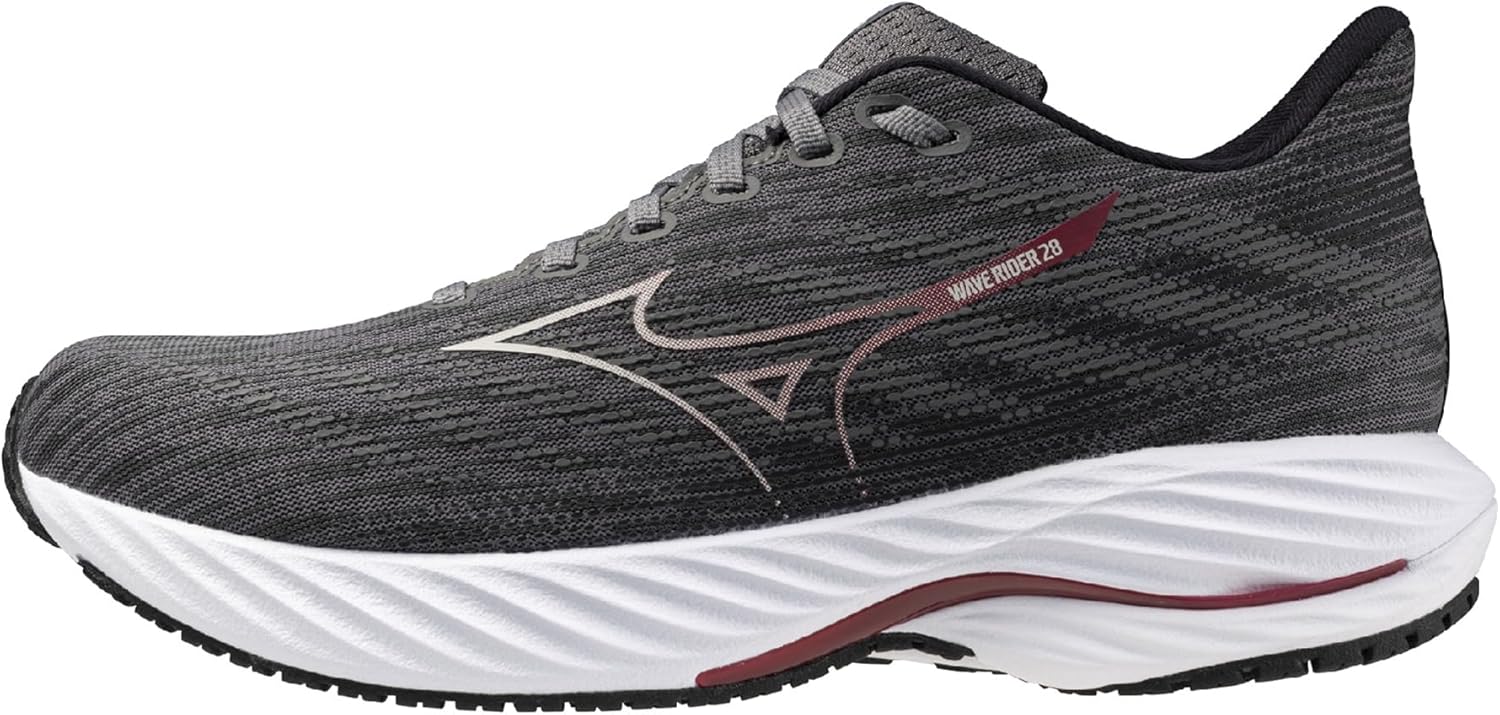
Mizuno Wave Rider 28 Review: Audited 12mm Daily Trainer
Disclosure: TrainingPlan has not hands-on tested this exact model. This research-based review uses Mizuno's exact product specification and three independent exact-model evaluations. No Amazon US listing is currently verified.
Quick Verdict
The Mizuno Wave Rider 28 is a superseded neutral road trainer built for runners who prefer a traditional high offset, firm-to-moderate cushion, and durable construction. Mizuno's exact women's page specifies 38mm at the heel, 26mm at the forefoot, a 12mm drop, 8.3-ounce women's reference weight, MIZUNO ENERZY NXT, ENERZY foam, a Wave plate, Jacquard mesh, and X10 rubber. Exact-model launch coverage supports 9.7 ounces for men and a MSRP: $140 price.
The platform rolls smoothly but does not hide its elevated heel or firmer character. It is a dependable daily shoe rather than a lightweight workout specialist. The extensive rubber and structured rearfoot make it attractive to runners who value consistency; soft-foam fans or low-drop users will likely prefer a different tool.
Key Specifications
| Specification | Audited catalog value |
|---|---|
| Category | Neutral road daily trainer |
| Heel-to-Toe Drop | 12mm brand specification |
| Weight (Men's/Women's) | 9.7oz / 8.3oz references |
| Stack Height | 38mm heel / 26mm forefoot |
| Midsole | MIZUNO ENERZY NXT plus ENERZY |
| Plate | MIZUNO WAVE, not carbon |
| Upper | Jacquard Air Mesh with gusseted tongue |
| Width Options | Standard and wide |
| MSRP | MSRP: $140 at launch |
| Release | June 2024; superseded |
What Changed
The former record overstated both weights at 9.9/8.6 ounces. Fleet Feet's exact-model review gives 9.7 ounces for men and 8.3 ounces for women. The article also now names both foam layers, distinguishes the Wave structure from a carbon plate, and avoids prescribing weekly mileage or guaranteed distance suitability.
The catalog follows Mizuno's 38/26mm and 12mm specification. RunRepeat's lab sample measured 39.3mm at the heel, 24.6mm at the forefoot, and a much larger 14.7mm offset. That is material for a buyer sensitive to drop. Measurement point, insole inclusion, size, and production variance can contribute, but the discrepancy should not be erased.
Mizuno's US pricing sheet records a June 5, 2024 in-market date and MSRP: $140 MSRP. The old Amazon ASIN lacks a dated exact-generation listing-title match and remains quarantined.
Foam, Wave Plate, and Rubber
ENERZY NXT sits in the heel to soften landing relative to earlier Riders, while the broader ENERZY layer carries the rest of the transition. The plastic Wave plate spreads load and adds rearfoot structure. It does not supply the stiffness or energy mechanism of a carbon racing plate.
X10 carbon rubber covers major wear zones. Independent testing found substantial outsole thickness, a durable upper, and strong heel-padding resistance. Those attributes support a high durability classification, but no source can promise the same mileage for every runner.
Ride and Intended Use
Running Shoes Guru's purchased-pair review describes a firm, well-built daily trainer that responds best over normal and moderate-length runs. The heel bevel, 12mm brand drop, and plate make rearfoot transitions predictable. ENERZY NXT adds some compliance without converting the Rider into a plush max-cushion shoe.
The shoe works for easy running, steady mileage, walking, and general fitness. Its weight and firm foam limit excitement at interval pace, though experienced Rider users may still use it broadly. The Brooks Ghost 16, Nike Pegasus 41, and ASICS Gel-Cumulus 26 provide useful neutral daily-trainer comparisons with different drops and foam character.
Fit and Sizing
Mizuno offered standard and wide versions. Reviewers describe a secure heel, comfortable midfoot, and reasonably roomy forefoot, although RunRepeat's sample ran slightly short. Start at normal running-shoe size, then verify a thumbnail of toe clearance, heel hold, and forefoot width after the foot has warmed.
A high drop does not guarantee comfort for any tendon or joint, and a wide option does not mean the standard upper is broad. Use the shoe-fit guide rather than medical or sizing shortcuts.
What Works Well
Wave Rider 28 combines durable materials, a stable transition, two width classes, strong upper construction, and a familiar high-drop ride. Its lack of novelty is a strength for runners who want predictable daily training.
Tradeoffs
The ride is firmer than many 2024 peers, the elevated heel can be conspicuous, and lab measurement suggests the effective offset may exceed 12mm. It is not light enough to disappear at fast pace, and heel-focused construction may feel intrusive to midfoot runners.
Monitor outsole smoothing, plate-area creasing, upper stretch, and any change in comfort using the replacement guide.
Who Should Consider This Shoe
Consider it if you prefer a high-drop neutral trainer, value durability and a structured heel, need standard or wide sizing, and can obtain sound old stock at a sensible price.
Who Should Look Elsewhere
Look elsewhere for low drop, very soft foam, low mass, plated propulsion, or a flexible minimalist ride. Runners sensitive to offset should test the shoe rather than relying only on the nominal 12mm.
Cross-Brand Comparison
Ghost 16 uses a smoother nitrogen-infused midsole and lower 12mm-ish overall geometry depending on source; Pegasus 41 is lighter and somewhat more flexible; Cumulus 26 uses an 8mm rocker. Fit and ride preference decide more than brand category.
Same-Brand Comparison
The Wave Rider 29 lowers listed drop and changes foam arrangement. The Wave Rider 30 is the current direct successor. Neither article should inherit version 28's weights or stack.
Value
At MSRP: $140, Rider 28 was competitively priced for a durable daily trainer. Old-stock value depends on discount, storage, return policy, and exact style number. A heavily discounted pair can make sense for established Rider users.
Final Verdict
Mizuno Wave Rider 28 is a superseded 38/26mm, 12mm-drop trainer with 9.7/8.3-ounce references, dual ENERZY foams, a Wave plate, and X10 rubber. Its corrected record describes a durable, firm, high-offset daily shoe—and openly preserves the lab sample that measured an even larger drop.
Key Takeaway
Wave Rider 28 suits runners who deliberately prefer a firm, durable, high-drop trainer; its measured offset deserves attention before buying.
Frequently Asked Questions
What is the Mizuno Wave Rider 28 drop?
Is the Wave Rider 28 a stability shoe?
Is Wave Rider 28 current?
References
- https://usa.mizuno.com/running-wave-rider-28-womens?sku=411457904P0650
- https://www.fleetfeet.com/blog/mizuno-wave-rider-28-review
- https://runrepeat.com/mizuno-wave-rider-28
- https://www.runningshoesguru.com/reviews/road/mizuno-wave-rider-28-review/