
Contents
Nike Downshifter 14 Review: A Practical $80 Daily Trainer
Is the Nike Downshifter 14 good for running? See where this $80 trainer fits easy road runs, its sizing options, and its limits for faster sessions.

What changed: Clarified running suitability and limitations in the opening, FAQ, and search description.
Quick Hits
- •The $80 Downshifter 14 keeps its priorities simple with moderate cushioning, a flexible build, and a 10mm drop.
- •RunRepeat measured a large wet-concrete traction improvement over the Downshifter 13.
- •Independent fit voting trends true to size, and the audited catalog includes standard and wide options.
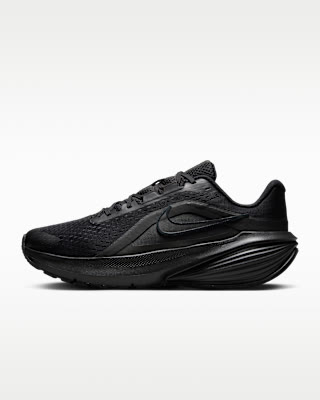
Nike Downshifter 14 Review
Disclosure: As an Amazon Associate, we earn from qualifying purchases. This helps support TrainingPlan at no extra cost to you.
Affiliate link - we may earn a commission
Quick Verdict
Is the Nike Downshifter 14 good for running? It is a reasonable budget choice for easy road runs if its fit and moderate cushioning work for you. At an MSRP: $80 catalog MSRP, the case is straightforward daily use: a neutral platform, 10mm drop, and standard or wide sizing. Its basic cushioning and relatively substantial weight make it less compelling for fast workouts or racing.
Research basis: TrainingPlan has not hands-on tested this model. The recommendation uses published specifications and independent exact-model evidence; it is not a promise of comfort at a particular pace or distance.
RunRepeat's independent lab gives the shoe a clearer identity. Its purchased sample was heavier than TrainingPlan's standardized catalog figure, but it also showed strong wet-concrete traction, a flexible build, and true-to-size owner voting. The Downshifter makes the most sense for easy runs and routine mileage where price and predictability matter. Runners seeking a first shoe can also consult our best running shoes for beginners.
Key Specifications
| Spec | Value |
|---|---|
| Category | Daily trainer |
| Cushion Level | Moderate |
| Heel-to-Toe Drop | 10mm |
| Weight (Men's/Women's) | 9.8oz / 8.6oz |
| Stack Height | 32mm heel / 22mm forefoot |
| Pronation Support | Neutral |
| Width Options | Standard, Wide |
| MSRP | MSRP: $80 |
| Surface | Road |
What Changed
The most meaningful measured change from the Downshifter 13 is underfoot. RunRepeat recorded a 0.69 wet-concrete traction result for the v14 versus 0.36 for its predecessor under the same method. Its durability tests also found substantial rubber coverage and limited standardized outsole wear. Those tests support an improvement in the physical outsole; they do not guarantee a specific lifespan for every runner.
The rest of the design stays close to the Downshifter's budget brief: conventional foam, a flexible forefoot, and a comfort-oriented upper. Nike has refined a basic trainer rather than transforming it into a lightweight performance model.
Ride and Intended Use
The moderate stack and flexible construction should feel more traditional than the tall, rockered geometry used by many premium trainers. RunRepeat rated the shoe much more highly for daily running than for tempo work or racing. Its lab described smooth heel transitions but also measured a heavy sample for the available cushioning.
That evidence supports a bounded use case: easy runs, short-to-moderate daily outings, and gradual mileage building. The Downshifter can serve a runner who values simple mechanics and does not need the liveliest foam. It is less suitable for repeated fast sessions, where extra mass and basic cushioning become more noticeable. Our best budget running shoes guide shows how it fits into the wider value category.
Fit and Sizing
RunRepeat's owner voting currently identifies the Downshifter 14 as true to size. The audited catalog lists both standard and wide widths. Those are useful signals, but individual upper volume and toe shape still matter.
Begin with your normal Nike running size and select the width you usually need. Check that the heel remains secure without overtightening the laces and that the toes have room during descents. A budget shoe is not good value if the fit is only approximately right.
What Works Well
- Accessible MSRP: At MSRP: $80, it lowers the cost of adding a purpose-built road shoe.
- Measured traction gain: RunRepeat's standardized result improved sharply over the previous version.
- Two widths: Standard and wide options broaden the pool of runners who can obtain a workable fit.
Tradeoffs
- Basic ride: The foam is designed for routine cushioning rather than high energy return.
- Weight varies by source and size: RunRepeat's sample was notably heavier than the standardized catalog value.
- Limited pace range: Independent scoring favors daily running well above tempo work or racing.
Who Should Consider This Shoe
- Newer runners who want a conventional neutral road shoe without a premium price.
- Budget-conscious athletes using it primarily for easy and routine daily mileage.
- Runners who value outsole coverage and need a standard or wide fit.
Who Should Look Elsewhere
- Athletes seeking a light shoe for intervals, tempo runs, or racing.
- Runners who want maximum cushioning for frequent long runs.
- Anyone wanting a more responsive daily trainer should compare the Nike Pegasus 41.
Cross-Brand Comparison
The ASICS Gel-Excite 10 occupies a similar entry-level road role. The Adidas Duramo Speed is the more performance-oriented comparison for runners willing to trade some everyday simplicity for quicker running. The Downshifter's strongest argument is not a single premium technology; it is the combination of a low catalog price, improved lab traction, and an available wide version.
Same-Brand Comparison
Nike's Pegasus Plus and Pegasus line sit above the Downshifter in price and intended performance. Choose the Downshifter when the priority is an affordable, dedicated road shoe for uncomplicated mileage. Choose the Pegasus when broader pace range, cushioning technology, and long-term rotation versatility justify spending more.
Value
Value is the center of this shoe's case. At MSRP: $80, the Downshifter 14 costs less than many premium trainers by a wide margin. RunRepeat's traction and wear tests suggest Nike did not make the outsole an afterthought, while the flexible ride and padded upper address the basics.
There is still a false economy to avoid. Runners logging high mileage or needing more cushioning may outgrow its narrow performance envelope. Paying more for a shoe that better matches those needs can be the better purchase. For modest easy mileage, however, the Downshifter delivers a credible amount of running-specific design for its MSRP.
Final Verdict
The Nike Downshifter 14 is deliberately ordinary in the best sense. It offers moderate cushioning, a traditional drop, two widths, and substantially improved measured traction at an MSRP: $80 catalog price. Independent evidence also makes its limits plain: it is not especially light, lively, or race-ready. For a runner seeking a first road shoe, a low-cost second pair, or a basic easy-day trainer, that honest division of strengths and compromises is enough.
Disclosure: As an Amazon Associate, we earn from qualifying purchases. This helps support TrainingPlan at no extra cost to you.
Affiliate link - we may earn a commission
Key Takeaway
The Downshifter 14 is an honest budget trainer with useful grip and fit options, but its basic cushioning and relatively substantial build are not intended for fast or highly cushioned running.
Frequently Asked Questions
Is the Nike Downshifter 14 good for running?
How does the Nike Downshifter 14 fit?
Is the Nike Downshifter 14 worth its $80 MSRP?
References
- https://www.nike.com/t/downshifter-14-mens-road-running-shoe-wrouoOtz/IB1895-001
- https://runrepeat.com/nike-downshifter-14
- https://www.solereview.com/release-date-calendar-for-running-shoes/