
Contents
Adidas Zenboost Review: A Lightweight $100 Daily-Speed Shoe
The Adidas Zenboost pairs a 7.3-ounce men's build with a $100 MSRP. See its verified specs, intended use, fit, and limits.

Quick Hits
- •The 29/23mm platform, 6mm drop, and 7.3-ounce men's weight create a light, relatively grounded road package.
- •Daily and speed categories give the $100 shoe a broader purpose than a basic entry-level trainer.
- •Credible model-specific wear testing remains limited, so ride and durability conclusions must stay conservative.
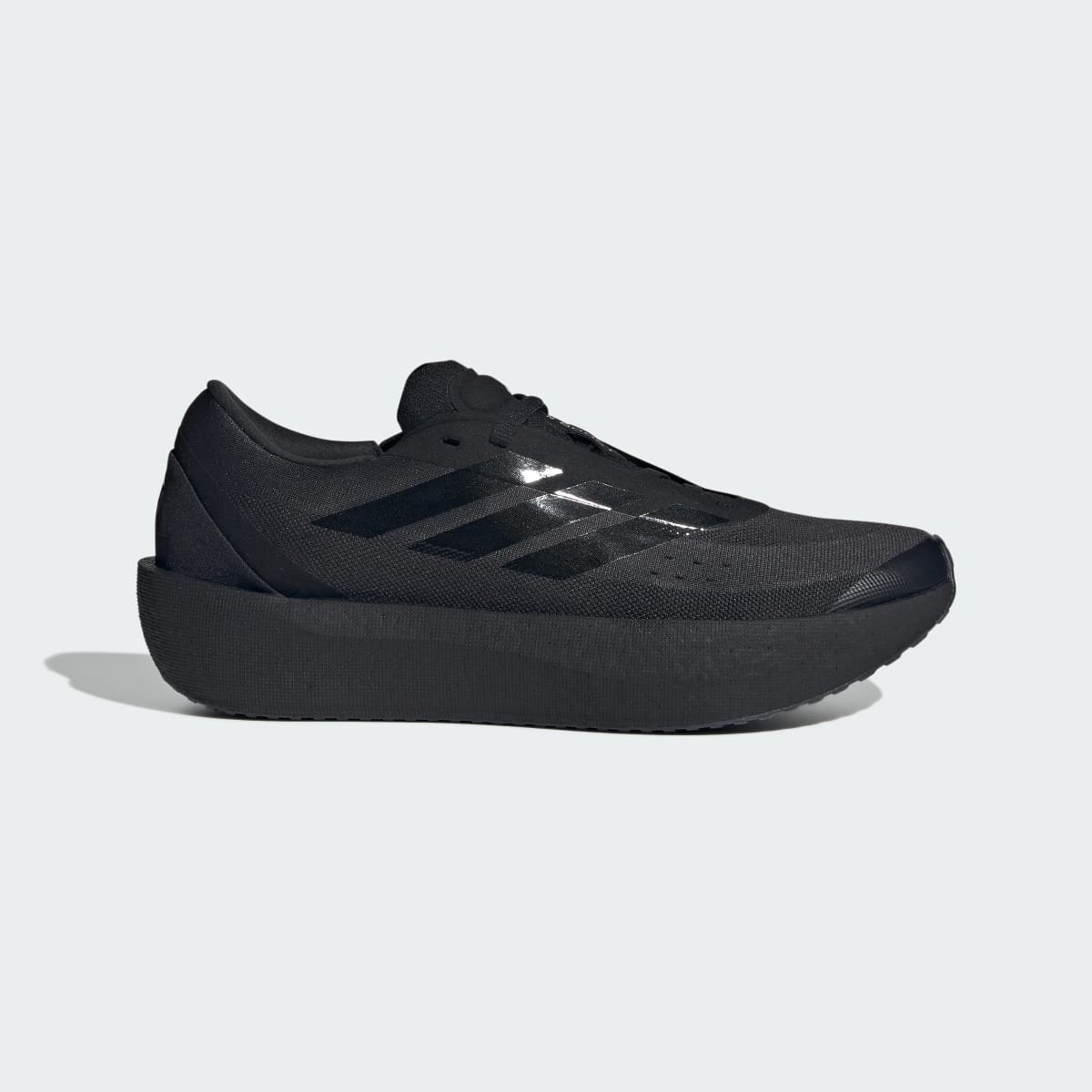
Adidas Zenboost Review
Quick Verdict
The Adidas Zenboost is a neutral road shoe built around low weight and accessible pricing. Its verified runtime specifications are a 29/23mm stack, 6mm drop, 7.3-ounce men's weight, high cushion classification, and MSRP: $100 MSRP. That is a relatively grounded platform by 2026 standards, despite the catalog's high-cushion label.
Adidas provides the exact-product construction and SoleReview independently confirms the release context, but a credible model-specific wear test was not available in the approved record. Our conclusion therefore stays close to the evidence: the specifications support daily and speed use, while detailed claims about softness, energy return, grip, or lifespan remain unproven. Compare it with our best budget running shoes.
Key Specifications
| Spec | Value |
|---|---|
| Category | Daily trainer, speed |
| Cushion Level | High |
| Heel-to-Toe Drop | 6mm |
| Weight (Men's/Women's) | 7.3oz / 6.3oz |
| Stack Height | 29mm heel / 23mm forefoot |
| Pronation Support | Neutral |
| Width Options | Standard |
| MSRP | MSRP: $100 |
| Surface | Road |
What Changed
Zenboost is a new affordable branch of Adidas's road range rather than a numbered update. It combines Boost-family branding with dimensions and weight closer to a lightweight trainer than the historically substantial Ultraboost line. The result targets everyday runners who want speed-friendly proportions without a premium price.
The official product page and catalog once conflicted on geometry, but the current runtime record has been corrected to 29/23mm and 6mm. This article uses that live catalog value throughout. Until independent mileage reviews establish more, it would be misleading to declare the shoe softer, faster, or more durable than named predecessors.
Ride and Intended Use
The light catalog weight and moderate 6mm drop support easy runs, strides, tempo introductions, and short-to-medium daily outings. A 29mm heel should feel less towering than modern maximum-cushion shoes, potentially appealing to runners who prefer a clearer sense of the road.
Those are editorial inferences from verified geometry and categories, not hands-on findings. The Zenboost is not cataloged for long runs or racing, so ambitious marathoners should compare our best long-run shoes. Runners focused primarily on workouts should also consult the best lightweight shoes for models with deeper independent evidence.
Rotation context matters. A runner already using a highly cushioned easy-day shoe could assign the Zenboost to shorter daily runs and workouts, where its low mass and modest stack are most relevant. A one-shoe runner should be more cautious about extending it into repeated long outings until independent mileage evidence develops. The categories show intended range, but they do not prove that every runner will find enough protection at 29mm.
Fit and Sizing
Only standard width is listed, and no approved source establishes that the Zenboost consistently runs large or small. Begin with your normal Adidas running length, then verify toe clearance, midfoot pressure, heel security, and flex alignment.
Do not add length simply to gain width; that can create heel movement and imprecise cornering. Runners with broad or high-volume feet should compare models with formal wide options. Online buyers should favor a practical return process because specifications cannot predict individual upper comfort.
What Works Well
- Low weight: A 7.3-ounce men's listing is unusual at this price.
- Useful role breadth: Daily and speed categories can cover much of a simple weekly rotation.
- Accessible MSRP: At MSRP: $100, the Zenboost lowers the cost of a performance-oriented road shoe.
Tradeoffs
- Limited independent testing: Ride character and long-term wear remain insufficiently established.
- Standard width only: Fit access is narrower than many daily trainers.
- Not long-run focused: The low stack and assigned categories may not suit runners seeking maximum protection.
Who Should Consider This Shoe
- Neutral runners wanting an affordable, light road trainer.
- Athletes who prefer a 6mm drop and less extreme stack.
- Beginners seeking one shoe for easy mileage and first faster sessions; our beginner guide adds context.
Who Should Look Elsewhere
- Runners needing wide sizing or maximum cushioning.
- Buyers who require extensive independent wear evidence before purchasing.
- Athletes shopping for a dedicated marathon racer or technical trail shoe.
Cross-Brand Comparison
The Nike Pegasus 42 and Brooks Ghost 18 are more established daily workhorses. Zenboost is lighter and less expensive on catalog figures, but the mature lines have stronger review histories and broader expectations. Fit and intended mileage matter more than winning a simple price-to-weight comparison.
Same-Brand Comparison
The Adizero Pacer offers a taller 36/29mm platform at the same MSRP: $100 MSRP, while the Adizero SL2 is an established performance-value reference. The Supernova Rise 3 is more protective for long runs. Choose Zenboost when low weight and grounded geometry are the priorities.
Value
At MSRP: $100, the specifications make a persuasive initial case. A comfortable Zenboost that covers daily miles and workouts can reduce the need for a second shoe. Long-term value cannot yet be calculated responsibly because credible wear evidence is limited. Purchase value is clear; cost per mile is not.
The absence of a verified Amazon listing also means this draft makes no retailer-availability claim. MSRP is a catalog reference, not a live market price.
Final Verdict
The Adidas Zenboost is promising because it keeps the proposition simple: low weight, moderate geometry, two useful training roles, and a MSRP: $100 MSRP. It also illustrates why source boundaries matter. Verified specifications support a lightweight value recommendation, but they do not prove a particular sensation or lifespan. Runners comfortable with the standard-width fit and a 29mm heel have good reason to consider it.
Key Takeaway
The Zenboost is an appealing lightweight value trainer, but limited independent evidence means its long-term ride and durability should not be overstated.
Frequently Asked Questions
Who is the Adidas Zenboost best for?
How does the Adidas Zenboost fit?
Is the Adidas Zenboost worth its $100 MSRP?
References
- https://www.adidas.com/us/zenboost-running-shoes/HQ9530.html
- https://www.solereview.com/release-date-calendar-for-running-shoes/