
Contents
Best Running Shoes for Achilles Tendinitis: 2026 Comfort Guide
Compare current running shoes by heel drop, cushioning, fit, and support preference when Achilles pain makes footwear comfort especially important.

Quick Hits
- •No running shoe treats Achilles tendinopathy, and the 2024 clinical guideline centers care on diagnosis and progressive tendon loading.
- •Compare familiar drop and a secure, nonirritating heel; no single geometry guarantees recovery.
- •New, persistent, or worsening Achilles pain warrants evaluation by a qualified clinician.
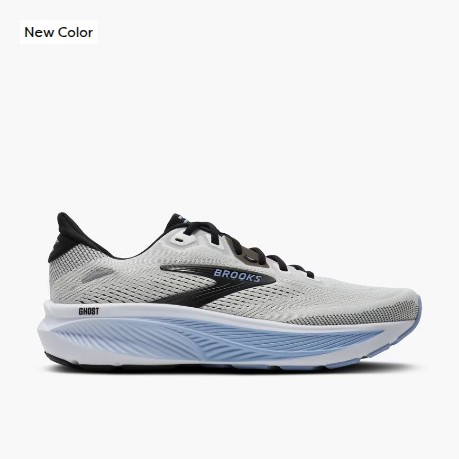
Top pick
Brooks Ghost 18
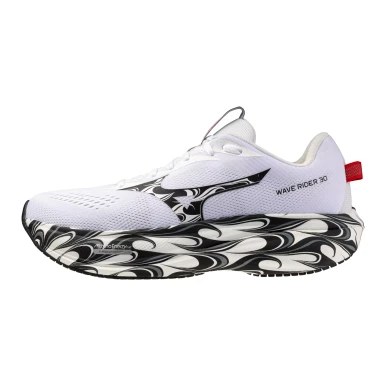
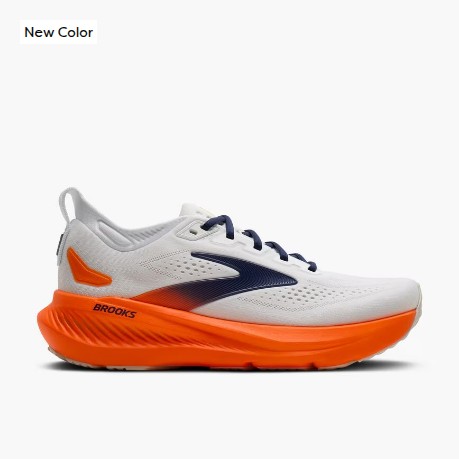
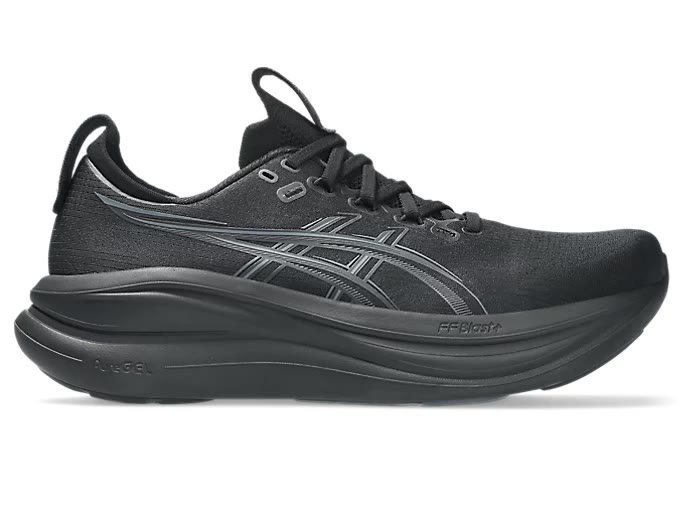
Curated lineup from our audited shoe database.
Best Running Shoes for Achilles Tendinitis: 2026 Comfort Guide
This guide compares footwear comfort when Achilles symptoms make heel fit and geometry especially relevant. A shoe does not diagnose or treat tendinopathy. Use the shortlist alongside an individualized clinical plan, including advice about whether running is appropriate.
Quick Choices
| What you want to compare | Start with | Main tradeoff to check |
|---|---|---|
| Familiar 10mm geometry and several widths | Brooks Ghost 18 | Tapered toe box; modest rebound |
| A structured 8mm neutral platform | Mizuno Wave Rider 30 | Limited vertical toe room |
| Plush neutral cushioning with extra-wide sizing | Brooks Glycerin 23 | Warm upper and substantial weight |
| Deep, controlled neutral cushioning | ASICS Gel-Nimbus 28 | Thin tongue; wet traction concerns |
| Noticeable guidance you already prefer | ASICS Gel-Kayano 33 | Firm structure and heel-counter contact |
The Ghost leads our product gallery because its listed 10mm geometry offers a familiar comparison against the 8mm options. That is an editorial starting point, not a clinical ranking. No single drop or cushioning level is best for every runner with Achilles pain.
How We Selected These Shoes
We checked exact-model manufacturer information and published independent reviews on October 2, 2026. Selection emphasizes heel fit, familiar drop, width access, cushioning character, and the difference between neutral and guided designs. Manufacturer facts and independent observations are attributed below; our conditional recommendations are editorial interpretations.
TrainingPlan has not wear-tested these pairs. The product reviews are not clinical trials in runners with Achilles tendinopathy. Our editorial methodology explains that research basis. Current stock and widths vary by market, gender, size, and color, so check the exact pair rather than relying on a family name.
Medical Context and Evidence Boundary
The 2024 Achilles clinical practice guideline concerns midportion Achilles tendinopathy and emphasizes clinical assessment and tendon-loading rehabilitation. It does not endorse these models. Insertional symptoms should not be treated as interchangeable with midportion symptoms.
Newcastle Hospitals' Achilles guidance notes that supportive footwear with slight heel elevation may improve comfort. That does not identify a universally ideal running-shoe drop or establish that more stack heals a tendon.
Cochrane's review of lower-limb injury prevention found low or very low certainty in several shoe-category comparisons. Prevention evidence is not a treatment trial for Achilles tendinopathy or a validation of this shortlist. Seek qualified assessment for new, persistent, or worsening symptoms, sudden pain or weakness, marked swelling, or difficulty walking.
What Footwear Can and Cannot Do
A try-on can help answer four practical questions:
- Does the heel collar touch or press on the sensitive area?
- Is the heel secure without excessive tightening?
- Is the drop familiar, or does it introduce an abrupt change?
- Does the platform feel comfortable during the activity your clinician permits?
It cannot determine a diagnosis, whether running should continue, or a rehabilitation dose. Start with previously comfortable geometry and follow individual advice rather than treating 8–10mm as a prescription.
Current Shoe Shortlist
1. Brooks Ghost 18 — Traditional 10mm Option
Brooks lists 10mm drop and four men's widths. RunRepeat's testing found a tapered toe box and modest energy return. It is a useful comparison if conventional neutral geometry and width choice matter; check forefoot space and heel contact yourself. Our Ghost 18 review covers easy-run purpose and differences between listed and measured geometry.
2. Mizuno Wave Rider 30 — Structured 8mm Option
Mizuno identifies its Wave construction and ENERZY NXT cushioning. RTINGS' original testing found a structured daily ride, but limited vertical room over the toes. Consider it when that transition feels better than a softer platform; check toe pressure even if length is right. The Wave Rider 30 review provides the full 8mm-drop comparison.
3. Brooks Glycerin 23 — Plush, Broad-Width Option
Brooks lists an 8mm drop and standard, wide, and extra-wide men's fits. SoleReview describes an accommodating, smooth ride but a warm upper and substantial weight. Compare it for plush neutral cushioning and fit choice. A wider forefoot does not guarantee comfortable heel contact; try both. Our Glycerin 23 review explains the neutral model and its reference measurements.
4. ASICS Gel-Nimbus 28 — Controlled Maximum Cushion
ASICS lists an 8mm neutral platform. OutdoorGearLab's testing found a controlled cushioned ride, with a thin tongue and weak wet traction as cautions. Consider it if that easy-running feel suits you, but check lace pressure and route conditions. The Nimbus 28 review also labels Doctors of Running's size-specific references rather than averaging unlike samples.
5. ASICS Gel-Kayano 33 — Guided 8mm Option
ASICS describes FLUIDSUPPORT guidance. Doctors of Running's review reports a structured ride and a substantial heel counter that may be intrusive for sensitive heels. Consider it when guidance is already a preference; inspect collar contact carefully. Achilles symptoms alone do not establish a need for stability. Our Kayano 33 review explains its 8mm reference geometry and fit tradeoffs.
Current Comparison Table
| Shoe | Listed drop | Platform | Width choices to check | Catalog MSRP (USD) |
|---|---|---|---|---|
| Brooks Ghost 18 | 10mm | Neutral | Narrow, standard, wide, extra-wide | MSRP: $150 |
| Mizuno Wave Rider 30 | 8mm | Neutral | Standard, wide | MSRP: $150 |
| Brooks Glycerin 23 | 8mm | Neutral | Standard, wide, extra-wide | MSRP: $175 |
| ASICS Gel-Nimbus 28 | 8mm | Neutral | Standard, wide | MSRP: $170 |
| ASICS Gel-Kayano 33 | 8mm | Guided | Standard, wide | MSRP: $170 |
These are listed drop values, not matched laboratory measurements. Exact-model reviews retain stack and weight source/sample context. Brooks width choices were checked on US men's listings; confirm gender, regional, size, and color availability. Catalog MSRP is a reference list price, not a live offer. Neither a larger stack nor a price premium establishes better tendon outcomes.
How to Choose
Use the two-shoe comparison worksheet to record size, width, heel-collar contact, security, pressure points, price, and return conditions. Keep personal observations distinct from review claims. Trial activity should follow both clinical advice and the retailer's conditions.
Do not force a different drop or a tighter heel fit because a guide labels one model better. If a pair increases discomfort, discuss the response with your clinician. The injury-aware running hub provides related reading without turning a shopping shortlist into a treatment plan.
Key Takeaway
Use this shortlist to compare fit, heel comfort, drop, and support preferences—not as treatment advice. Achilles symptoms require an individualized loading and return-to-running plan.
Frequently Asked Questions
Can running shoes treat Achilles tendinitis?
Is a higher-drop shoe always better for Achilles pain?
When should a runner seek medical evaluation?
References
- https://pubmed.ncbi.nlm.nih.gov/39611662/
- https://www.newcastle-hospitals.nhs.uk/services/newcastle-occupational-health-service/information-for-staff/physiotherapy/self-help-leaflets/achilles-tendinopathy/
- https://www.cochrane.org/evidence/CD013368_running-shoes-preventing-lower-limb-running-injuries-adults
- https://www.brooksrunning.com/en_us/mens/shoes/road-running-shoes/ghost-18/110493.html
- https://runrepeat.com/brooks-ghost-18
- https://usa.mizuno.com/running-wave-rider-30-uni-disclosure/
- https://www.rtings.com/running-shoes/reviews/mizuno/wave-rider-30
- https://www.brooksrunning.com/en_us/mens/shoes/road-running-shoes/glycerin-23/110476.html
- https://www.solereview.com/brooks-glycerin-23-review/
- https://www.asics.com/us/en-us/gel-nimbus-28/p/ANA_1011C127-001.html
- https://www.doctorsofrunning.com/asics-gel-nimbus-28-review-2026/
- https://www.outdoorgearlab.com/reviews/shoes-and-boots/running-shoes-men/asics-gel-nimbus-28
- https://www.asics.com/us/en-us/gel-kayano-33/p/ANA_1011C167-250.html
- https://www.doctorsofrunning.com/asics-gel-kayano-33-review-2026/