
Contents
Brooks Beast GTS 26 Review: Maximum-Control Workhorse
The Brooks Beast GTS 26 is a substantial motion-control road shoe with a broad base and 12mm drop. See its fit, ride, tradeoffs, and value.

Quick Hits
- •The Beast GTS 26 uses GuideRails, a broad base, and motion-control geometry for a highly structured ride.
- •Doctors of Running found strong front-to-back stability and a secure fit, but limited response at running pace.
- •A 12.5oz men's weight and 12mm catalog drop favor walking and slow daily miles over speedwork.
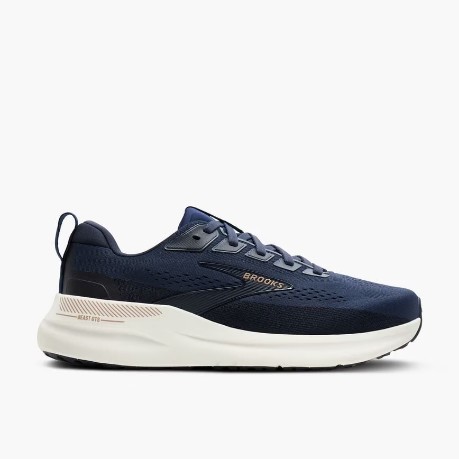
Brooks Beast GTS 26 Review
This review combines Brooks' product information, TrainingPlan's current catalog, and Doctors of Running's published testing. It does not represent first-person testing by TrainingPlan. The editorial manifest does not contain a verified exact-model Amazon listing, so this draft includes no affiliate purchase link.
Quick Verdict
The Brooks Beast GTS 26 is a substantial motion-control shoe for runners and walkers who want a broad, structured platform. GuideRails, a wide base, DNA Loft v3 cushioning, a roomy upper, and a high catalog drop prioritize predictability over speed. At 12.5oz for men, it makes no attempt to disappear on the foot.
Doctors of Running found strong front-to-back stability and secure fit, but also a soft ride with limited response. Its clearest role is walking and slow running, especially for people who actively prefer a lot of structure. The best stability running shoes guide includes lighter and more versatile support options.
Key Specifications
| Spec | Value |
|---|---|
| Category | Daily Trainer |
| Cushion Level | High |
| Heel-to-Toe Drop | 12mm |
| Weight (Men's/Women's) | 12.5oz / 11.3oz |
| Stack Height | 38mm heel / 28mm forefoot |
| Pronation Support | Motion Control |
| Width Options | Standard and Wide |
| MSRP | MSRP: $170 |
| Surface | Road |
These are the exact current runtime catalog values. The listed 38/28mm stack arithmetic differs from the catalog's 12mm drop field; both values remain unchanged here because the runtime catalog is the publishing contract. Doctors of Running reports 12.5oz for men and 11.2oz for women.
What Changed
Doctors of Running describes version 26 as largely continuous with the Beast GTS 24. The visible changes include RoadTack outsole material and a revised heel, while the broad base, GuideRails structure, and DNA Loft v3 maintain the same overall direction.
This is therefore refinement, not reinvention. Existing Beast users get familiar support and volume. Runners hoping the model has transformed into a light modern stability trainer should set different expectations.
Ride and Intended Use
DNA Loft v3 supplies a soft underfoot feel, but the mass and platform geometry mute acceleration. Doctors of Running found limited responsiveness and the best experience during walking or slow running, particularly with a pronounced heel landing. The high offset and substantial rearfoot create a traditional heel-to-toe progression.
The design fits easy road mileage, standing, and walking better than tempo runs or racing. Runners wanting cushioning with less structure can explore our best cushioned running shoes, while the best shoes for heavy runners guide covers supportive choices across categories. Shoe selection and support preference remain individual rather than following from a category label alone.
Fit and Sizing
Brooks describes a secure, roomy upper and adds a heel pull tab for easier entry. Doctors of Running also found the fit secure. Standard and wide options give the model more accommodation than many performance shoes.
Begin with normal length and select width based on forefoot and midfoot volume. The substantial upper and structured heel are features for runners who want containment, but they may feel excessive to feet that prefer thin, flexible materials.
What Works Well
- Strong structure: GuideRails and a broad base create a highly guided platform.
- Roomy availability: Standard and wide widths serve more foot shapes.
- Soft cushioning: DNA Loft v3 keeps the substantial shoe from feeling harsh.
- Walking suitability: The secure upper, high drop, and broad rearfoot make walking a clear use case.
Tradeoffs
- Very high weight: A 12.5oz men's reference reduces agility and efficiency at faster paces.
- Muted response: Independent testing found little speed-oriented rebound.
- Highly structured sensation: Neutral runners or those who prefer natural flexibility may find the guidance intrusive.
- Incremental update: Version 24 owners receive few reasons to change.
Who Should Consider This Shoe
- Walkers and slow-paced runners who prefer maximum structure.
- Runners who value a broad base, high drop, and secure upper.
- Current Beast users seeking continuity in fit and ride.
Who Should Look Elsewhere
- Neutral runners who do not enjoy motion-control geometry.
- Athletes needing a light trainer for tempo runs or racing.
- Buyers wanting a major change from the Beast GTS 24.
Cross-Brand Comparison
The ASICS Gel-Kayano versus Brooks Adrenaline guide compares two mainstream stability trainers. Both are more broadly run-friendly than the Beast, which sits at the maximum-control end of the spectrum. Our best shoes for overpronation guide explains why support preference, comfort, and gait matter more than a single label.
Same-Brand Comparison
The Brooks Adrenaline GTS 24 is a lighter, more versatile stability daily trainer. The Brooks Ghost 18 removes the motion-control focus for a neutral workhorse. Choose the Beast when maximum structure is the point, not merely because it is the most substantial Brooks option.
Value
At MSRP: $170, the Beast costs more than many everyday stability shoes. The premium is defensible for runners who specifically value its broad geometry, multiple widths, and strong GuideRails presence. Buyers who want moderate guidance or faster versatility receive more value from lighter models.
Final Verdict
The Brooks Beast GTS 26 remains an unapologetically structured workhorse. It offers a broad platform, secure roomy fit, soft cushioning, and pronounced guidance for walking and slow road running.
Its substantial weight and limited response define the boundary. This is not a speed shoe and not a universal stability recommendation. It is a focused choice for people who know they prefer maximum control and traditional high-drop geometry.
Key Takeaway
The Beast GTS 26 delivers a roomy, highly structured platform for walking and slow daily running, but its weight and muted response make it one of the most specialized stability choices.
Frequently Asked Questions
Is the Brooks Beast GTS 26 a stability shoe?
How does the Brooks Beast GTS 26 fit?
Is the Brooks Beast GTS 26 good for speedwork?
References
- https://www.brooksrunning.com/en_de/mens/road-running-shoes/beast-gts-26/1104552E422.125.html
- https://www.doctorsofrunning.com/brooks-beast-ariel-gts-26-quick/