
Contents
Nike ACG Zegama 3 Review: Long-Distance Grip With Better Lockdown
The Nike ACG Zegama 3 combines ZoomX, Cushlon 3.0, and Vibram grip for long trail days. See its ride, fit, specifications, and tradeoffs.

Quick Hits
- •The ACG Zegama 3 pairs ZoomX and Cushlon 3.0 with a 38/34mm catalog stack for long trail mileage.
- •Vibram Megagrip and a revised, cupped upper improve traction and hold across loose, wet, and muddy terrain.
- •Its 11.4-ounce men's catalog weight and noticeable downhill geometry trade agility for protection and control.
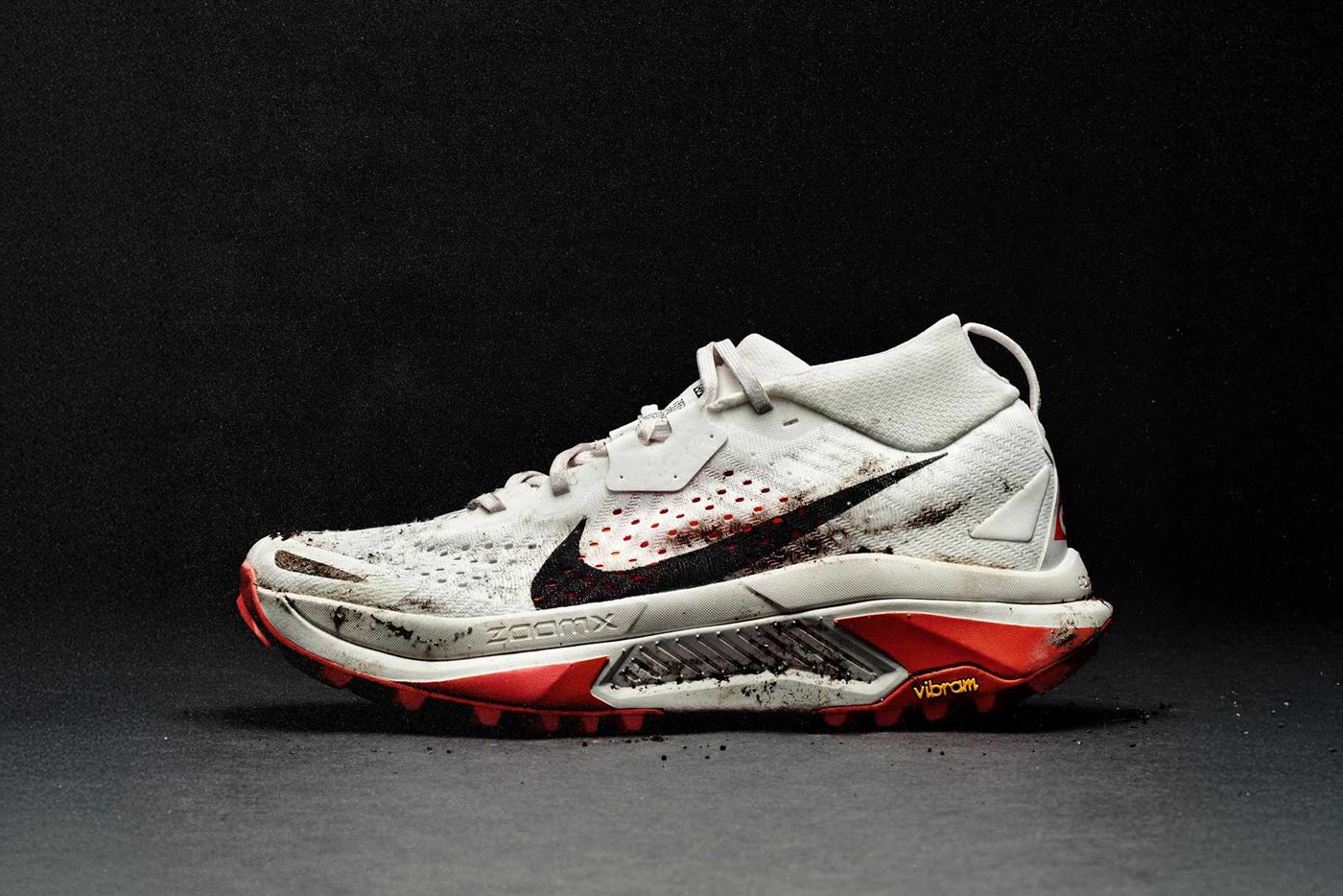
Nike ACG Zegama 3 Review
Disclosure: As an Amazon Associate, we earn from qualifying purchases. This helps support TrainingPlan at no extra cost to you.
Affiliate link - we may earn a commission
Quick Verdict
The Nike ACG Zegama 3 is a neutral trail shoe for long, varied off-road efforts. Nike markets this generation simply as the ACG Zegama Trail, while TrainingPlan uses “3” to distinguish it from the Zegama 2. Its audited 38/34mm stack, 4mm drop, and 11.4-ounce men's weight describe a substantial, low-drop platform.
Independent reviewers identify fit and grip as the major improvements. Believe in the Run found a much more secure upper and praised the combination of a ZoomX top layer, supportive Cushlon 3.0, and Vibram Megagrip. Runner's World reported reliable footing through mud, wet rock, hardpack, climbs, and descents, while noting that split heel geometry can be felt downhill. The Zegama is now a convincing long-distance workhorse, provided weight and heel feel suit the runner. See our best trail running shoes for its wider competitive set.
Key Specifications
| Spec | Value |
|---|---|
| Category | Trail, Long Run |
| Cushion Level | High |
| Heel-to-Toe Drop | 4mm |
| Weight (Men's/Women's) | 11.4oz / 10oz |
| Stack Height | 38mm heel / 34mm forefoot |
| Pronation Support | Neutral |
| Width Options | Standard |
| MSRP | MSRP: $190 |
| Surface | Trail |
What Changed
Nike brings the Zegama into its renewed ACG range and rebuilds the last and upper around better trail hold. A stretch collar helps block debris, while a padded tongue, revised heel structure, and wider platform aim to keep the foot centered. Believe in the Run considered fit the update's biggest success, although its sample gained weight.
The midsole still combines soft ZoomX above a denser supporting foam, now identified by Nike as Cushlon 3.0. Vibram Megagrip with Traction Lug remains central to the outsole. The formula is evolutionary, but the revised fit finally allows the foam and grip to work as a coherent trail package.
Ride and Intended Use
ZoomX supplies softness and rebound, while the Cushlon layer and wider base reduce unwanted movement. That creates a protected, controlled ride rather than the unstable softness an exposed race foam might produce on uneven ground. Independent reviewers found enough connection to trail despite the cushioning, with a secure cupped sensation around the foot.
Long training runs, ultramarathons, muddy singletrack, and sustained mountain outings are the clearest assignments. The 4mm drop and substantial weight may require adaptation for runners coming from lighter, higher-drop shoes. Our best ultramarathon running shoes includes other long-distance strategies.
Fit and Sizing
The revised last adds room while the upper cups and secures the foot. Believe in the Run's tester initially experienced heel slip during a casually laced hike, then resolved it by using the upper eyelets and tightening the midfoot. Runner's World likewise emphasized the locked-in heel, tongue, and upper structure.
The audited catalog lists standard width only. Start with your normal Nike trail size, then use full lockdown measures before judging hold. Check toe clearance on descents and ensure the stretch collar does not create ankle pressure. More internal room is not the same as a formal wide option.
What Works Well
- Mixed-condition grip: Independent testing supports the Vibram outsole across mud, wet rock, hardpack, and slopes.
- Improved security: The revised last, collar, tongue, and lacing create better control than the previous model.
- Long-run balance: ZoomX cushioning sits within a firmer, wider supporting frame.
Tradeoffs
- Substantial weight: The 11.4-ounce men's catalog figure limits nimbleness.
- Downhill geometry: Runner's World noticed the split heel pattern during steeper descents.
- Lockdown may need work: Some feet require the upper eyelets and deliberate lacing.
Who Should Consider This Shoe
- Neutral runners planning long trail days or ultras in varied conditions.
- Athletes who value cushioning and grip more than minimum weight.
- Previous Zegama users who wanted a more secure, functional upper.
Who Should Look Elsewhere
- Short-course racers prioritizing lightness and immediate agility.
- Runners who prefer a higher drop or very flexible trail shoe.
- Broad-footed athletes needing an official wide size.
Cross-Brand Comparison
The HOKA Speedgoat 7 is a direct cushioned trail rival with a different fit and rocker. The Salomon Genesis also targets long technical mileage but uses Salomon's chassis approach. The Zegama stands out through its ZoomX softness paired with Vibram traction.
Same-Brand Comparison
The Nike ACG Pegasus Trail is lighter, smoother on roads, and better for moderate mixed routes. The Nike ACG Ultrafly Trail 2 adds a carbon plate and premium racing brief. Choose the Zegama for long-course protection and demanding grip without a plate.
Value
At the audited MSRP: $190 MSRP, the Zegama sits in the premium trail-trainer tier. Its value is strongest for runners who regularly use the cushioning and outsole across long or difficult terrain. A road-to-trail runner on smooth paths does not need all of that structure.
Independent test-period observations are encouraging, but they do not guarantee outsole or upper lifespan. The practical value comes from terrain coverage and long-run comfort, not an unsupported mileage promise.
Final Verdict
The Nike ACG Zegama 3 finally aligns its long-distance cushioning with a secure trail fit. ZoomX, Cushlon 3.0, a wider base, and Vibram Megagrip create a protected, confidence-inspiring package across varied conditions. Its weight is real, and the split heel geometry may be noticeable downhill. Some runners will also need careful lacing to lock the rearfoot. For neutral athletes prioritizing long-course grip and protection over speed-shoe agility, the Zegama 3 is a credible premium workhorse.
Disclosure: As an Amazon Associate, we earn from qualifying purchases. This helps support TrainingPlan at no extra cost to you.
Affiliate link - we may earn a commission
Key Takeaway
The ACG Zegama 3 is a protected, grippy long-distance trail shoe with a much-improved fit, but added weight and noticeable heel geometry keep it from feeling nimble.
Frequently Asked Questions
Who is the Nike ACG Zegama 3 best for?
How does the Nike ACG Zegama 3 fit?
Is the Nike ACG Zegama 3 good for muddy trails?
References
- https://www.nike.com/a/nike-acg-zegama-release-info
- https://believeintherun.com/shoe-reviews/nike-acg-zegama-trail-review/
- https://www.runnersworld.com/gear/a71850272/nike-acg-zegama-trail-review/