
Contents
Nike ACG Pegasus Trail Review: A Better Road-to-Trail All-Rounder
The Nike ACG Pegasus Trail adds cushioning, toe room, and ATC 2.0 traction for mixed surfaces. See its ride, fit, specifications, and limits.

Quick Hits
- •The ACG Pegasus Trail combines a 39/31mm catalog stack and 8mm drop for road-to-trail daily running.
- •Added ReactX foam, a wider last, and ATC 2.0 rubber improve protection, toe room, and moderate-terrain grip.
- •Its 3.5mm lugs preserve road comfort but remain too shallow for deep mud or highly technical mountain routes.
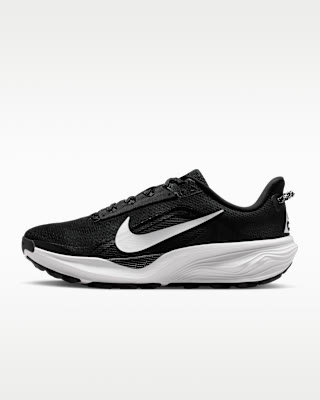
Nike ACG Pegasus Trail Review
Quick Verdict
The Nike ACG Pegasus Trail is a neutral mixed-surface trainer that evolves the familiar Pegasus Trail rather than abandoning it. Its audited 39/31mm stack, 8mm drop, and 10.8-ounce men's weight provide substantial protection for a shoe expected to cross pavement, gravel, and singletrack. ReactX foam and ATC 2.0 rubber define the underfoot package.
iRunFar's long-term reviewer found better toe room, added cushioning, and improved traction over the Pegasus Trail 5. The 3.5mm lugs remained smooth enough on roads and cleared moderate mud, but were not aggressive enough for deep, soft ground. That balance is the point. The ACG Pegasus is a versatile daily shoe for runners moving between surfaces, not an all-mountain tool. Our gravel running guide covers the terrain where it makes particular sense.
Key Specifications
| Spec | Value |
|---|---|
| Category | Trail, Daily Trainer |
| Cushion Level | High |
| Heel-to-Toe Drop | 8mm |
| Weight (Men's/Women's) | 10.8oz / 8.6oz |
| Stack Height | 39mm heel / 31mm forefoot |
| Pronation Support | Neutral |
| Width Options | Standard |
| MSRP | MSRP: $155 |
| Surface | Mixed |
What Changed
The sixth modern Pegasus Trail generation adopts ACG branding instead of the expected “Pegasus Trail 6” name. Nike adds ReactX foam underfoot, increasing stack relative to version five while lowering the drop to 8mm. iRunFar's size-nine sample weighed 10.4 ounces; TrainingPlan retains the standardized 10.8-ounce men's catalog figure.
A new trail-specific last creates more toe space, and upper overlays are revised for drainage, structure, and debris protection. The ATC 2.0 outsole changes both rubber and lug arrangement. These updates move the shoe slightly farther from road roots without sacrificing its hybrid identity.
Ride and Intended Use
iRunFar described the ReactX ride as firm-responsive, with a smooth roll and enough extra foam to extend comfortable distance on moderate terrain. The foot sits within the platform rather than simply on top, helping the neutral shoe feel controlled when surfaces tilt. There is no rock plate, so sharp terrain still reaches the foot more than in a dedicated technical shoe.
Door-to-trail daily runs, dirt roads, park paths, and moderate singletrack are the strongest uses. The shoe can support a trail half marathon or longer runnable event for the right athlete, but shallow lugs and hybrid geometry limit mountain specialization. See our best trail running shoes and trail running basics for more terrain-specific guidance.
Fit and Sizing
iRunFar found the shoe true to normal Nike sizing. The revised last reduces the curve along the outside of the forefoot and adds toe volume, while a structured heel and snug midfoot preserve hold. That reviewer has a wider forefoot and still found the standard shape accommodating.
The audited catalog lists standard width only. Begin with your usual Nike trail size, then check lateral security on an incline and front clearance on a descent. More toe room improves adaptability, but it does not make the shoe an official wide option.
What Works Well
- Mixed-surface comfort: ReactX cushioning and flexible outsole cutouts keep pavement and trail transitions smooth.
- Improved fit: More toe space arrives without abandoning secure midfoot and heel hold.
- Moderate-terrain traction: ATC 2.0 rubber and 3.5mm lugs improve grip while avoiding an intrusive road feel.
Tradeoffs
- Not mud-specific: The shallow pattern cannot dig like a deep, widely spaced outsole.
- No rock plate: Sustained sharp or highly technical terrain calls for more underfoot protection.
- Standard width only: The roomier last still lacks a catalog wide choice.
Who Should Consider This Shoe
- Runners whose daily routes mix pavement, gravel, and smooth singletrack.
- Newer trail runners wanting familiar road-shoe transitions with useful trail features.
- Neutral athletes seeking one shoe for commuting to and running on local trails.
Who Should Look Elsewhere
- Mountain runners spending most miles in deep mud, scree, or highly technical terrain.
- Athletes who require a rock plate or deeper lugs.
- Runners who need a formally wide trail option.
Cross-Brand Comparison
The HOKA Challenger ATR 7 serves a similar road-to-trail purpose with HOKA's cushioning geometry. The Salomon Sense Ride 5 leans farther toward trail structure, while the Pegasus preserves more road familiarity. Our trail versus road running guide helps clarify the required features.
Same-Brand Comparison
The Nike ACG Zegama 3 adds deeper trail intent, more grip, and longer-distance protection at a higher price and weight. The Nike ACG Ultrafly Trail 2 is the premium plated race option. For rougher conventional trail mileage, the Nike Wildhorse 8 remains relevant.
Value
At MSRP: $155, the ACG Pegasus Trail costs more than a basic road trainer but can replace separate road and light-trail shoes for mixed-route runners. Its value comes from that overlap, plus updates to cushioning, fit, and traction that independent testing found meaningful.
It is poorer value when most mileage occurs at either extreme. Road-only runners do not need its outsole and upper protection, while technical-trail specialists will still need a more aggressive shoe. The current research manifest has no verified exact-model Amazon listing, so this draft includes no purchase CTA.
Final Verdict
The Nike ACG Pegasus Trail is a mature road-to-trail all-rounder. It gains useful ReactX cushioning, toe room, moisture management, and ATC 2.0 traction while preserving the smooth transitions that make the Pegasus line approachable. Independent evidence supports longer moderate-trail use and improved wet and dry grip, but the 3.5mm lugs and absent rock plate set clear boundaries. For neutral runners moving regularly between pavement and nontechnical trails, it is a strong MSRP: $155 one-shoe solution. For mud and mountains, choose deeper specialization.
Key Takeaway
The ACG Pegasus Trail is a comfortable, improved mixed-surface daily trainer with credible moderate-trail grip, but it remains a road-to-trail shoe rather than a technical mountain specialist.
Frequently Asked Questions
Who is the Nike ACG Pegasus Trail best for?
How does the Nike ACG Pegasus Trail fit?
Is the Nike ACG Pegasus Trail good for technical trails?
References
- https://www.nike.com/t/acg-pegasus-trail-trail-running-shoes-Z5DRSN1X/HV8116-001
- https://www.irunfar.com/nike-acg-pegasus-trail-review
- https://believeintherun.com/shoe-reviews/nike-acg-pegasus-trail-review/