
Contents
Nike Pegasus vs Brooks Ghost: Pegasus 42 or Ghost 18?
Compare the Nike Pegasus 42 and Brooks Ghost 18 on ride, fit, cushioning, weight, and value to choose your neutral daily trainer.

What changed: Verified the Pegasus 42 and Ghost 18 matchup against current exact-model pages, replaced outdated price and width tiebreakers, and added a compact decision table with source and sample-size limitations.
Quick Hits
- •Pegasus 42 uses ReactX around a curved full-length Air Zoom unit and adds forefoot room compared with Pegasus 41.
- •Ghost 18 uses DNA LOFT v3 and currently lists narrow, medium, wide, and extra-wide men's options.
- •Both are neutral 10mm-drop daily trainers; choose by fit and ride rather than small non-comparable weight or price figures.
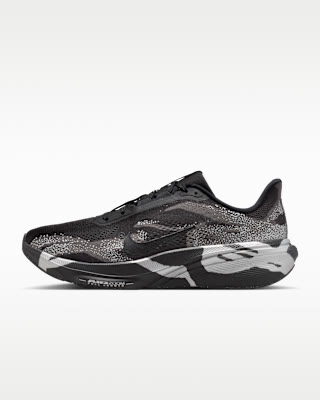
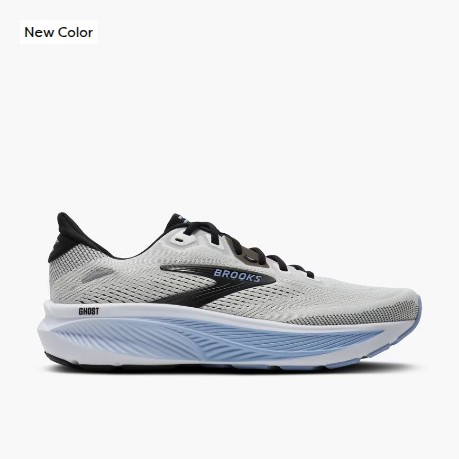
Head-to-head breakdown using our audited shoe database.
Nike Pegasus vs Brooks Ghost
Decision Evidence
| Your priority | Choose | Evidence and main limit |
|---|---|---|
| Air Zoom structure | Nike Pegasus 42 | Curved full-length Air Zoom and toe spring; independent testing found it firm |
| Conventional daily ride | Brooks Ghost 18 | Uniform DNA LOFT v3 transition; restrained rather than fast |
| Width access | Ghost 18 | Four men's widths listed; availability still varies by color and market |
| Final tiebreaker | Try both in the intended width | Published weights use different sample sizes and prices change by color |
Choose the Pegasus 42 if you want to feel the structure of a curved, full-length Air Zoom unit inside ReactX foam. Choose the Ghost 18 if you prefer one foam system and need the clearer narrow-through-extra-wide men's range. Both are neutral, 10mm-drop daily road trainers; neither has a categorical performance win.
TrainingPlan has not hands-on tested both shoes. The comparison uses current manufacturer information, the audited shoe catalog, and attributed independent exact-model reviews.
Current Specification Context
| Specification | Pegasus 42 | Ghost 18 |
|---|---|---|
| Midsole | ReactX with curved full-length Air Zoom | DNA LOFT v3 |
| Drop | 10mm | 10mm |
| Audited stack | 37/27mm | 36/26mm |
| Current men's weight reference | About 10.59oz in Nike men's US 10 | 10.2oz on Brooks' product page |
| Width listing checked | Regular, wide | Narrow, medium, wide, extra-wide |
| Price at verification | Varies by color; checked page showed a MSRP: $155 original price | MSRP: $150 list price |
The weight figures are not a controlled head-to-head because the brands use different sample conventions. Prices and width inventory vary by market, color, size, and date. Those fields should not override fit or ride preference.
Nike Pegasus 42 Overview
The Pegasus 42 replaces the prior model's separate Air Zoom units with one curved, full-length unit inside ReactX foam. Nike also adds toe spring and says the last has more forefoot room than Pegasus 41.
RTINGS found a firm, stable ride with limited energy return, especially under the forefoot. That makes the Pegasus a controlled workhorse for ordinary mileage rather than a performance trainer. The full-length unit changes how the cushioning is arranged without changing the shoe's basic job.
Brooks Ghost 18 Overview
The Ghost 18 uses nitrogen-infused DNA LOFT v3, an updated air-mesh upper, and RoadTack rubber. Brooks positions it for balanced everyday road cushioning and currently lists four men's width categories.
Tom's Guide found it comfortable and dependable for easy running but too heavy and restrained when pace increased. The Ghost's selling point is predictability: there is no plate or air unit to interpret.
Ride and Cushioning
Pegasus feels firm and structured, with the curved Air Zoom unit providing a continuous element from heel to toe. Its audited 37/27mm platform is just 1mm taller than Ghost at both ends, so stack alone does not create a dramatically different use case.
Ghost distributes cushioning through a single foam system and offers a more uniform transition. It is still restrained enough to avoid a soft maximum-cushion identity. Runners seeking substantially softer shoes should use our best cushioned running shoes.
Ride tiebreaker: Pegasus 42 for Air Zoom character; Ghost 18 for a straightforward foam transition.
Fit and Sizing
Ghost has the clearer width-access advantage: its current men's page lists narrow, medium, wide, and extra-wide. The checked Pegasus product page lists regular and wide, though Nike says the revised last adds forefoot space.
Width labels do not settle toe height, heel hold, or internal volume. Try both in the intended width, preferably with the socks used for daily running. Our running-shoe fit guide covers those checks.
Fit tiebreaker: Ghost for listed width breadth; otherwise the shoe whose internal shape holds your heel without compressing your forefoot.
Weight and Pace Range
Nike lists approximately 10.59 ounces for a men's US 10; Brooks lists 10.2 ounces without the same sample convention. The apparent difference is too small and insufficiently controlled to declare a meaningful weight winner.
Both focus on daily mileage. Independent testing found each more convincing at easy or steady effort than at faster paces. Runners wanting a daily shoe with a speed category should compare the ASICS Novablast 6.
Stability and Ground Feel
Pegasus and Ghost are neutral shoes with controlled platforms. A stable feel does not change the support classification or establish a medical benefit. Runners seeking a cataloged stability design can compare the Nike Structure 26 or Brooks Adrenaline GTS 24.
Ground feel is moderate by current standards. Ghost's simpler construction is more transparent underfoot; Pegasus adds the sensation of the Air Zoom unit. Neither is a technical maximum-cushion design.
Value
There is no reliable fixed-price winner. Nike prices varied by color on the product page checked for this update, while Brooks listed Ghost 18 at MSRP: $150. A temporary discount is useful only after fit and return terms are confirmed.
Choose Pegasus if its continuous Air Zoom structure feels natural; choose Ghost if the uniform foam transition or broader width range solves a real need. Our best daily trainers guide provides alternatives in the same role.
Choose the Pegasus 42 If...
- You want a curved, full-length Air Zoom unit.
- The revised Nike forefoot shape fits without heel movement.
- A firm, controlled daily ride is appealing.
Choose the Ghost 18 If...
- You prefer a uniform DNA LOFT v3 foam ride.
- You need narrow, wide, or extra-wide listed access.
- A simple, conventional transition is the priority.
Final Verdict
The Nike Pegasus 42 and Brooks Ghost 18 share a neutral daily role and 10mm drop, but their tiebreakers are now clear. Pegasus supplies the structured sensation of full-length Air Zoom and toe spring. Ghost offers a simpler foam transition and the broader current men's width range. Ignore tiny cross-brand weight differences and changing color prices; the correct choice is the one whose last and cushioning system feel natural during routine mileage.
Key Takeaway
The current Pegasus 42 versus Ghost 18 decision is Air Zoom structure versus a conventional foam transition, with Ghost holding the clearer width-access advantage and fit remaining the decisive test.
Frequently Asked Questions
Which is softer, the Nike Pegasus 42 or Brooks Ghost 18?
Which has more width options, Pegasus 42 or Ghost 18?
Which is better for daily training?
References
- https://www.nike.com/t/pegasus-42-mens-road-running-shoes-S1bYkOza/IQ3928-001
- https://www.rtings.com/running-shoes/reviews/nike/pegasus-42
- https://www.brooksrunning.com/en_us/mens/shoes/road-running-shoes/ghost-18/110493.html?dwvar_110493_color=172
- https://www.tomsguide.com/wellness/running/brooks-ghost-18-review