
Contents
Reebok Floatride Energy 5 Review: Corrected $110 Trainer
Research-based Reebok Floatride Energy 5 review covering its corrected 27/19mm stack, 8mm drop, X-plate, weights, fit, ride, durability, and value.

What changed: Corrected both weights, stack, MSRP, lifecycle, X-plate construction, fit and ride guidance, durability context, and removed an unverified affiliate URL.
Quick Hits
- •Published review specifications give 27/19mm, an 8mm drop, and $110 MSRP.
- •The 9.4oz men's reference is size US 9; the women's reference is 7.4oz.
- •The X-plate provides torsional structure and is not a carbon propulsion plate.
Reebok Floatride Energy 5 Review: Corrected $110 Trainer
Disclosure: TrainingPlan has not hands-on tested this exact model. This research-based review uses an exact Reebok product page, authorized retail specifications, and independent exact-model evaluations. No Amazon US listing is currently verified.
Quick Verdict
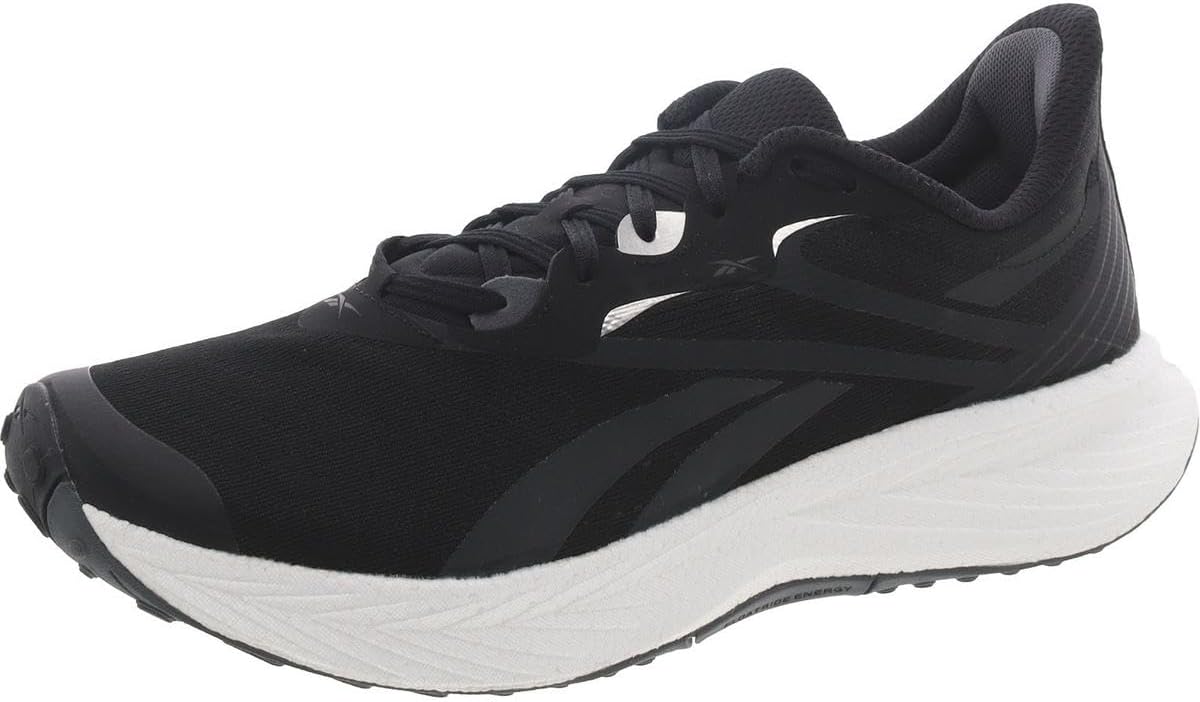
The Reebok Floatride Energy 5 is a superseded neutral daily trainer with Floatride Energy foam, a wider platform, and a midfoot X-plate for torsional structure. Contemporaneous specifications give a 27mm heel, 19mm forefoot, 8mm drop, 9.4-ounce men's US 9 reference, 7.4-ounce women's reference, and MSRP: $110 launch price.
Its appeal was practical value: a durable rubber outsole, moderate weight, and enough versatility for daily running and occasional faster efforts. The fifth version became firmer and more structured than earlier Energy models, however, and its shallow forefoot is not ideal for every runner.
Key Specifications
| Specification | Audited catalog value |
|---|---|
| Category | Neutral budget daily trainer |
| Heel-to-Toe Drop | 8mm |
| Weight (Men's/Women's) | 9.4oz / 7.4oz |
| Stack Height | 27mm heel / 19mm forefoot |
| Midsole | Floatride Energy foam |
| Plate | Midfoot X-plate for torsional support |
| Upper | Speed Shift upper with recycled content |
| Outsole | All-surface rubber |
| Width Options | Standard |
| MSRP | MSRP: $110 at launch |
| Release | March 2023; superseded |
What Changed
The previous database used 30/22mm, 8.8/7.6 ounces, and a MSRP: $100 MSRP. Doctors of Running and Believe in the Run both report 27/19mm, 9.4 ounces for men's US 9, and MSRP: $110. Runner's World provides a 7.4-ounce women's reference. Reebok's surviving Japanese page independently lists 267 grams, close to the 266-gram men's sample, and identifies the wider platform and X-plate.
We also corrected the construction language. The X-plate is a midfoot torsion element, not a full-length carbon race plate. It can add stability, but reviewers also found that it makes midfoot landings firm. The former Amazon URL was removed because no dated exact listing title, generation, and ASIN match supports it.
Ride and Intended Use
Floatride Energy foam is a TPU-based compound with a resilient, moderately responsive feel. Version 5 added stack and width relative to its predecessor, then used the X-plate to control torsion. The result is stable and flexible at the ends but firmer through the center than the simple “lightweight responsive” description suggested.
Daily runs, short-to-medium steady mileage, run-walk use, and occasional tempo efforts are reasonable. The all-surface rubber helps when routes mix dry pavement, packed paths, and ordinary wet roads. For long runs, the 19mm forefoot may feel lean to forward landers. Use choosing running shoes and judge comfort at your own landing pattern.
Fit and Sizing
The redesigned Speed Shift upper added lateral structure to keep the foot centered on the wider base. Independent reviewers generally reported true-to-size length and an average heel and midfoot, with a forefoot that can feel tapered or low depending on foot shape. Only standard width is recorded.
Start with normal running size and test toe movement under load. The supportive overlays should center the foot without pressing the lateral forefoot. Extra length does not create a true wide last. The Saucony Ride 17 and Puma Velocity Nitro 3 are useful fit-and-ride comparisons at the versatile trainer end.
What Works Well
Value and outsole durability are the strongest points. Reebok kept launch price at MSRP: $110 while adding structure and a broader base. Independent reviews praised rubber grip and wear resistance, and the foam can handle varied paces without the maintenance concerns of an exposed superfoam.
At 9.4 ounces for a men's US 9, it remains manageable despite gaining material. The wider midsole base and X-plate provide inherent stability without changing the catalog classification from neutral.
Tradeoffs
The X-plate can feel harsh, especially to midfoot landers, and the modest forefoot stack limits protection. Some reviewers found the upper less refined than premium trainers. Standard-only width and short laces can complicate fit, while the shoe's ride is less soft than its foam name may imply.
Stability is not the same as medical treatment. The shoe should not be prescribed for an injury based on a plate or broad base. Retire it when grip, foam response, alignment, or upper hold changes, using when to replace running shoes.
Who Should Consider This Shoe
Consider Energy 5 old stock if value, durable rubber, an 8mm drop, and a firm stable-neutral ride align with your needs. It is a defensible one-shoe option for moderate daily mileage when the standard fit works and the discount is meaningful.
Who Should Look Elsewhere
Look elsewhere for plush long-run cushioning, wide sizing, a flexible midfoot, or race-specific propulsion. The Brooks Trace 3 is another budget trainer but has a 12mm drop; Velocity Nitro 3 offers stronger wet-grip credentials and a livelier ride.
Cross-Brand Comparison
Ride 17 is softer and more modern but costs more. Trace 3 is similarly straightforward, higher-drop, and less secure on wet smooth surfaces in lab testing. Energy 5 sits between them with a firm X-plate transition and particularly strong price-to-durability logic.
Same-Brand Comparison
The Reebok Floatride Energy X is a distinct higher-stack plated performance model, not version 5 with a different upper. Floatride Energy 6 is the direct successor. Exact names matter because marketplace listings often collapse these families.
Value
MSRP: $110 was excellent launch value. Clearance can be better, but only if the exact fifth generation, size, storage condition, and return policy are verified. A bare ASIN is insufficient evidence when Adventure, Energy X, and adjacent generations share Floatride naming.
Final Verdict
Reebok Floatride Energy 5 is accurately a 27/19mm, 8mm-drop daily trainer with 9.4/7.4-ounce references and a MSRP: $110 launch price. Its durable rubber and broad utility were genuine strengths. Its midfoot X-plate, firm feel, and limited forefoot depth explain why it was not universally comfortable despite the strong value.
Key Takeaway
Floatride Energy 5 offered durable $110 versatility, but the X-plate and modest forefoot stack create a firmer ride than its lightweight reputation suggests.
Frequently Asked Questions
Is the Floatride Energy 5 carbon plated?
What is the Floatride Energy 5 stack height?
Is Floatride Energy 5 still current?
References
- https://reebok.jp/commodity/SREB1055D/RE1759BM29709/
- https://www.dickssportinggoods.com/p/reebok-mens-floatride-energy-5-running-shoes-23rbkmfltrdnrgy5wmns/23rbkmfltrdnrgy5wmns
- https://www.doctorsofrunning.com/reebok-floatride-energy-5-review-2023/
- https://believeintherun.com/shoe-reviews/reebok-floatride-energy-5-review/
- https://www.runnersworld.com/gear/a44652799/reebok-floatride-energy-5-review/