
Contents
Reebok Floatride Energy X Review: Corrected Plated Trainer
Research-based Reebok Floatride Energy X review covering its corrected 30/24mm stack, 6mm drop, forefoot carbon plate, fit, ride, and $170 value.

What changed: Corrected drop, both weights, stack, MSRP, plate extent, category, lifecycle, fit and ride guidance, durability, and removed an unverified affiliate URL.
Quick Hits
- •Contemporaneous sources report 30/24mm geometry and a 6mm drop.
- •The carbon plate sits in the forefoot; it is not a full-length race plate.
- •At 9.2oz for men's US 9, it fits performance training better than elite racing.
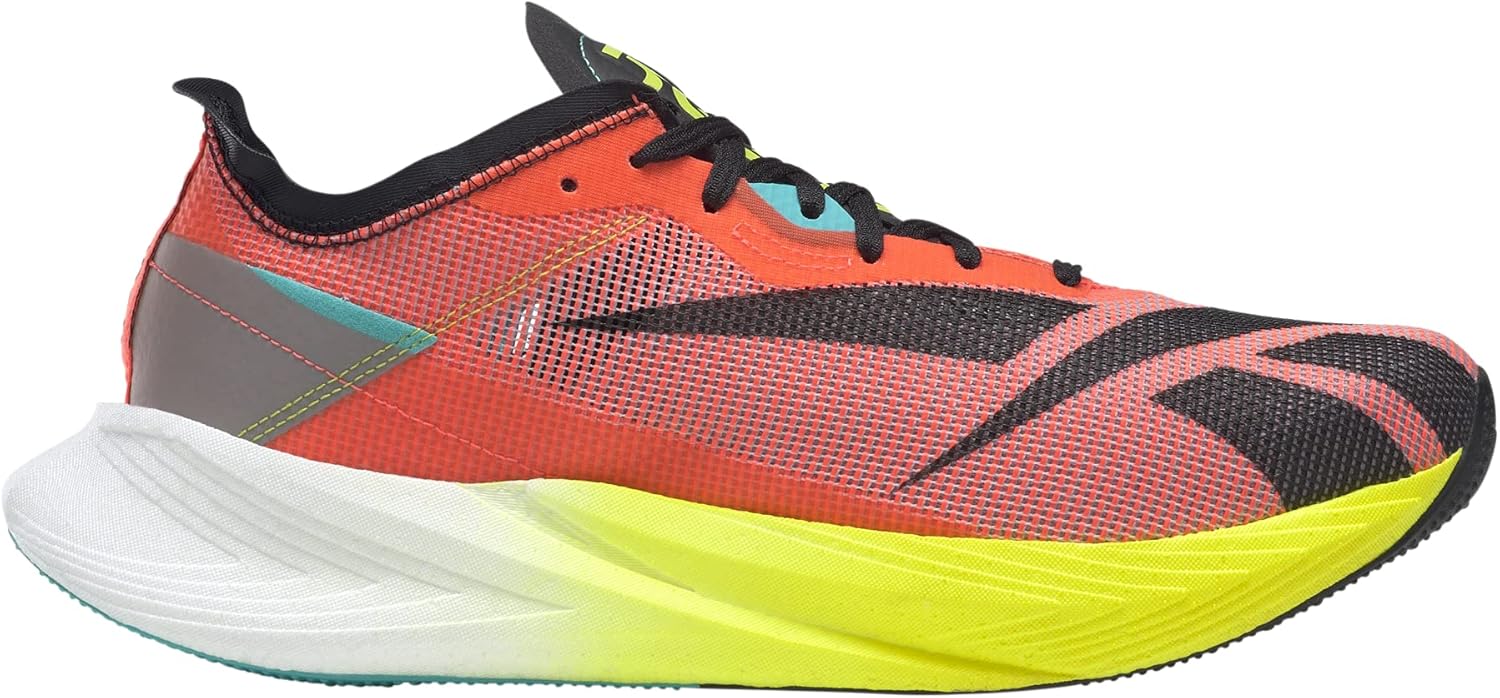
Reebok Floatride Energy X Review: Corrected Plated Trainer
Disclosure: TrainingPlan has not hands-on tested this exact model. This research-based review uses a surviving Reebok product page and multiple independent exact-model evaluations. No Amazon US listing is currently verified.
Quick Verdict
The original Reebok Floatride Energy X is a discontinued neutral road performance trainer from April 2022. Reliable contemporary sources describe 30mm of heel stack, 24mm in the forefoot, a 6mm drop, a forefoot-only carbon plate, and a MSRP: $170 launch price. Believe in the Run measured 9.2 ounces in men's US 9 and 8.0 ounces in women's US 7.5.
That profile is very different from the former catalog entry, which presented a 40/32mm, 7.8-ounce full racing shoe. Energy X can work for steady long runs, marathon-pace sessions, and racing for runners who prioritize comfort and value. It is not a direct performance equivalent to a lighter, full-length-plated supershoe.
Key Specifications
| Specification | Audited catalog value |
|---|---|
| Category | Plated performance trainer / long-run shoe |
| Heel-to-Toe Drop | 6mm |
| Weight (Men's/Women's) | 9.2oz / 8.0oz |
| Stack Height | 30mm heel / 24mm forefoot |
| Midsole | Floatride Energy TPU-bead foam |
| Plate | Forefoot-only carbon-fiber plate |
| Upper | Flexweave with gusseted tongue |
| Width Options | Standard; unisex whole sizes |
| MSRP | MSRP: $170 at launch |
| Release | April 2022; discontinued |
What Changed
The previous review overstated stack by 10mm at the heel and 8mm at the forefoot, used an 8mm rather than 6mm drop, understated both weights, and called the plate full length. WearTesters, Believe in the Run, Runner's World, and Doctors of Running converge on a 30/24mm, 6mm platform and roughly 9.1–9.4 ounces for a men's reference. Reebok's later Japanese page lists 255 grams without size context, which is directionally consistent rather than a contradiction.
The category also changed from pure racing to speed and long-run training. The former Amazon URL was removed because an exact listing title, generation, and ASIN match was not documented on the audit date.
Ride and Intended Use
Floatride Energy foam is resilient and soft enough to absorb longer steady efforts. The forefoot plate adds stiffness and a more decisive toe-off without controlling the rear half of the shoe like a full-length plate. Reviewers found the result smooth and mildly bouncy, but slower to rebound than premium PEBA race foams.
Its best use is sustained running: progression runs, moderate tempos, long workouts, and marathon-paced blocks. It can race, especially for a runner who values cushioning over minimum weight, but 9.2 ounces and the partial plate limit top-end efficiency. Our choosing running shoes guide explains why intended pace matters more than a “carbon” label.
Fit and Sizing
The shoe launched as unisex and in whole sizes only. Reviewers generally found adequate forefoot room, a shallow toe box, and inconsistent heel security. Half-size wearers may have to choose between extra length and a snugger front. Standard is the only recorded width class.
Try it at target pace because the Flexweave upper and heel behave differently once the rocker is loaded. Do not assume sizing from the Reebok Floatride Energy 5; the everyday trainer uses a different last and plate structure.
What Works Well
The original MSRP: $170 price was unusually accessible for a carbon-assisted shoe. Full rubber coverage and conventional Floatride Energy foam also make it more training-friendly than exposed-foam racers. Independent wear reports were favorable, so the catalog durability rating is moderate rather than the previous low rating.
The broad rear platform and steady rocker can feel controlled at cruising pace. Runners who find aggressive race shoes unstable or harsh may prefer this less extreme construction.
Tradeoffs
Energy X is heavy relative to modern racers, and the softer foam can feel slow during short intervals. The lateral heel flare did not feel neutral to every tester, while loose heel hold and scratchy internal mesh appeared in reviews. Whole-size availability is a real limitation, not a minor retail inconvenience.
The model is old stock. Adhesives, foam storage, return policy, and exact SKU matter. Use when to replace running shoes to judge condition rather than relying on a generic mileage promise.
Who Should Consider This Shoe
Consider it only when the exact original model fits, the discount is substantial, and you want a cushioned plated trainer for steady or long sessions. It can also suit value-focused marathoners who accept extra weight for a less demanding ride.
Who Should Look Elsewhere
Look elsewhere for minimum mass, a full-length plate, half-size precision, wide sizing, or explosive short-interval performance. The ASICS Metaspeed Sky Tokyo is much lighter and more specialized; the HOKA Cielo X1 2.0 is taller and more aggressively rockered.
Cross-Brand Comparison
Compared with the Nike Vaporfly 3, Energy X is heavier, cheaper at launch, more durable, and less race-specific. Compared with Topo Specter, it uses a carbon forefoot plate and a less anatomical toe box. These are construction differences, not universal rankings.
Same-Brand Comparison
Floatride Energy 5 is a lower, unplated daily trainer with an X-shaped torsion element. Energy X adds more cushion and a carbon forefoot plate, but it is not simply an Energy 5 race edition. Marketplace naming can blur those distinctions.
Value
MSRP: $170 was strong launch value. Today, value depends on condition and fit because the model is discontinued. A low price does not justify a mismatched whole size or an unverifiable listing. No purchase link is published until exact-model affiliate evidence exists.
Final Verdict
The corrected Energy X is a 30/24mm, 6mm-drop, 9.2-ounce performance trainer with a forefoot-only carbon plate. It offered comfortable long-run utility and accessible plated-shoe pricing, but its fit, mass, and construction keep it outside the elite supershoe class.
Key Takeaway
Energy X was an unusually affordable plated long-run shoe, but its weight, partial plate, and whole-size fit made it a trainer-racer hybrid rather than a supershoe.
Frequently Asked Questions
Is the Reebok Floatride Energy X fully carbon plated?
What is the Floatride Energy X stack height?
Is the Floatride Energy X still current?
References
- https://reebok.jp/commodity/SREB1055D/RE1759BU29744/
- https://www.doctorsofrunning.com/reebok-floatride-energy-x-review/
- https://believeintherun.com/shoe-reviews/reebok-floatride-energy-x-review/
- https://weartesters.com/reebok-floatride-energy-x-performance-review/
- https://www.runnersworld.com/gear/a41947851/reebok-floatride-energy-x-review/