
Contents
Brooks Glycerin GTS 23 Review: Plush Cushion With Firm Guidance
The Brooks Glycerin GTS 23 adds GuideRails support to a premium DNA Tuned platform. See its ride, fit, tradeoffs, comparisons, and best uses.

Quick Hits
- •The GTS 23 adds 2mm of forefoot DNA Tuned foam while retaining Brooks' GuideRails support system.
- •Doctors of Running found a dense, cushioned ride best at easy paces, with more structure than the neutral Glycerin 23.
- •Four cataloged widths and a secure engineered-knit upper broaden fit access despite the substantial platform.
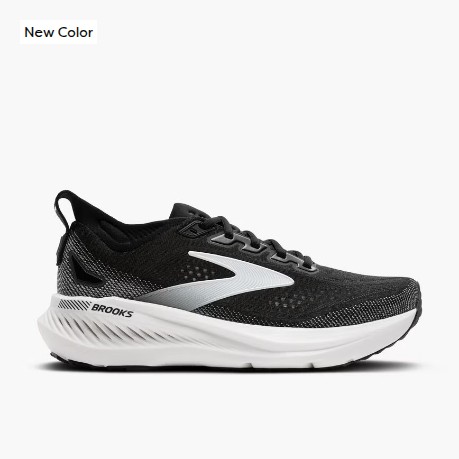
Brooks Glycerin GTS 23 Review
Disclosure: As an Amazon Associate, we earn from qualifying purchases. This helps support TrainingPlan at no extra cost to you.
Affiliate link - we may earn a commission
This review combines Brooks' product information, TrainingPlan's current catalog, and Doctors of Running's published observations. It does not represent first-person testing by TrainingPlan.
Quick Verdict
The Brooks Glycerin GTS 23 is a premium stability trainer for runners who want their cushioning substantial and their guidance noticeable. It combines DNA Tuned foam with GuideRails around a 39/31mm catalog platform. Brooks adds 2mm of forefoot foam for version 23, while an engineered-knit upper and four-width range make the shoe more accessible than many premium stability models.
Doctors of Running found the midsole dense—cushioned but firmer under running load—and the GTS structure considerably more controlling than the neutral version. That points toward easy, long, recovery, walking, and standing use, not lively workouts. Compare the wider category in the best stability running shoes.
Key Specifications
| Spec | Value |
|---|---|
| Category | Daily Trainer / Long Run / Recovery |
| Cushion Level | High |
| Heel-to-Toe Drop | 8mm |
| Weight (Men's/Women's) | 10.8oz / 9.6oz |
| Stack Height | 39mm heel / 31mm forefoot |
| Pronation Support | Stability |
| Width Options | Narrow, Standard, Wide, and Extra-Wide |
| MSRP | MSRP: $180 |
| Surface | Road |
These are the exact current TrainingPlan runtime values. Brooks' current page lists 11.0oz for its men's reference, while Doctors of Running measured 10.8oz in a men's size 9. Published stack and drop also differ by method. The catalog contract remains 39/31mm and 8mm; the source differences are context, not a reason to invent a blended number.
What Changed
Brooks adds 2mm of DNA Tuned foam in the forefoot and introduces a streamlined engineered-knit upper. The lower effective slope is intended to smooth transitions while preserving the plush family identity. GuideRails continue to surround the heel and midfoot rather than relying on one simple foam post.
Doctors of Running sees the model as the premium relative of the Adrenaline GTS, with DNA Tuned replacing the more basic cushioning experience. Compared with the Glycerin GTS 21, version 23 has a more modern foam-and-geometry story, but it remains a substantial support shoe.
Ride and Intended Use
Brooks says DNA Tuned uses larger heel cells for soft landings and smaller forefoot cells for stronger toe-offs. Doctors of Running found the real-world feel dense and somewhat firm, especially with the added GuideRails structure. The shoe softened during the review period, but the source still considered easy pace its clearest use and found only limited uptempo range.
Editorially, the combination suits routine mileage, long easy runs, and recovery use for runners who actively like structured support. It can also serve walking and standing, according to the independent review. The best cushioned running shoes and best recovery shoes provide neutral and less guided alternatives.
Fit and Sizing
Doctors of Running's testers reported a generally true-to-size, secure fit with a comfortable upper. Brooks describes the new engineered knit as soft, breathable, and accommodating. The catalog's narrow, standard, wide, and extra-wide choices are a major practical advantage.
Begin with normal length and the width normally used in Brooks. The structured platform should not be confused with a tight upper: selecting the right width lets the GuideRails do their intended job without using lace pressure to hold an incorrectly sized foot.
What Works Well
- Broad width range: Four cataloged widths serve more foot shapes than most premium trainers.
- Clear support identity: GuideRails provide substantial heel and midfoot structure rather than subtle, hard-to-detect guidance.
- Long-run cushioning: The high platform and DNA Tuned construction suit sustained easy mileage for runners who like a dense feel.
- Improved forefoot depth: Two additional millimeters reduce the steepness and help smooth the transition from rear to front.
Tradeoffs
- Noticeable firmness and control: The independent review found the GTS platform far more structured than the neutral version.
- Substantial weight: A men's reference near 11oz limits faster-running appeal.
- Premium pricing: Runners who do not use the GuideRails can spend less on the neutral sibling.
Who Should Consider This Shoe
- Runners who prefer strong, premium stability for easy and long road miles.
- Walkers and runners who benefit from a full width range.
- Existing Glycerin GTS users seeking more forefoot foam and an updated upper.
Who Should Look Elsewhere
- Runners who prefer neutral or minimally guided platforms.
- Athletes wanting a light, energetic shoe for speed sessions.
- Buyers who find firm sidewall structure intrusive.
Cross-Brand Comparison
The ASICS Gel Kayano 32 is another premium stability option, but its geometry and support sensation differ from Brooks' GuideRails approach. The ASICS Kayano versus Brooks Adrenaline guide helps explain the broader brand philosophies, while the best shoes for overpronation guide collects options without treating footwear as medical care.
Same-Brand Comparison
The neutral Brooks Glycerin 23 uses the same premium foam family with a smoother, lighter, less controlling platform. The Brooks Ghost 18 is the simpler, lower-priced workhorse. The Brooks Ghost versus Brooks Glycerin guide frames the move from everyday value to premium cushioning.
Value
At MSRP: $180, the GTS 23 charges MSRP: $5 more than the neutral Glycerin 23. That modest increment is reasonable when GuideRails are the desired feature. The more important value question is whether a runner wants the entire premium, structured package. Four widths, long-run capacity, and walking versatility strengthen the case; a heavy, firm ride weakens it for speed-focused buyers.
Final Verdict
The Brooks Glycerin GTS 23 does not hide its priorities. It delivers dense DNA Tuned cushioning, prominent GuideRails structure, a high platform, and unusually broad width access. Added forefoot foam improves the geometry, but independent testing still points to easy-paced use.
Choose it for premium, strongly guided daily and long-run comfort. Choose the neutral Glycerin or a lighter trainer when unobtrusive transitions and pace versatility matter more than structure.
Disclosure: As an Amazon Associate, we earn from qualifying purchases. This helps support TrainingPlan at no extra cost to you.
Affiliate link - we may earn a commission
Key Takeaway
The Glycerin GTS 23 is a substantial premium stability trainer with broad width access and dense cushioning, but its firm guidance and weight will not suit runners seeking a light, unobtrusive ride.
Frequently Asked Questions
Who is the Brooks Glycerin GTS 23 best for?
How does the Brooks Glycerin GTS 23 fit?
Is the Brooks Glycerin GTS 23 worth its $180 MSRP?
References
- https://www.brooksrunning.com/en_us/mens/shoes/road-running-shoes/glycerin-gts-23/110503.html?dwvar_110503_color=090
- https://www.doctorsofrunning.com/2026/01/brooks-glycerin-gts-23-review-2026.html